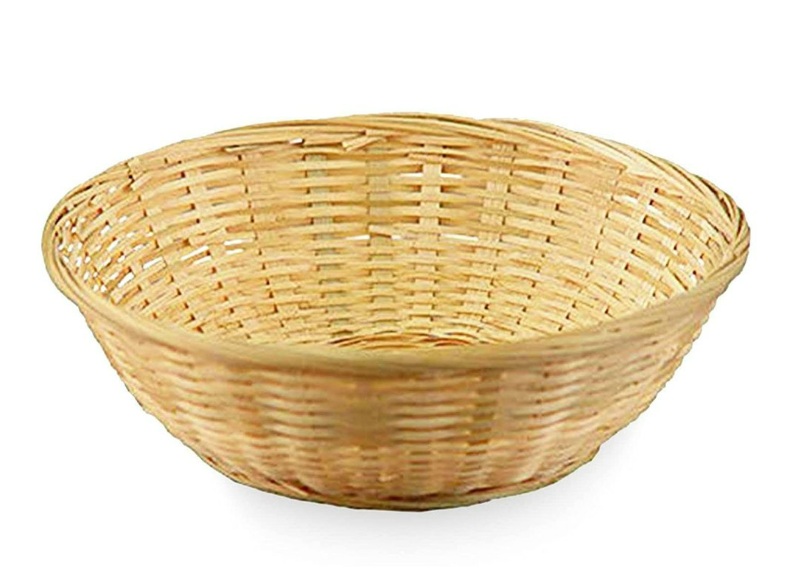
Kishanganj: As Chhath Puja — the grand festival of folk faith and devotion to the Sun God — approaches, the streets of Kishanganj are alive with the rhythm of craftsmanship. On Khagra Stadium Road, the air is filled with the scent of fresh bamboo and the rhythmic beat of hammers. More than 500 artisans are working day and night, shaping strips of bamboo into baskets that symbolize both faith and livelihood.

A Festival Woven with Faith and Livelihood
In Bihar and eastern India, Chhath Puja is more than a festival — it’s an emotion deeply rooted in cultural identity. Bamboo baskets, essential for offering fruits, thekua, and coconuts to the Sun God, play a central role in the rituals. In Kishanganj, the craft of making these baskets has been passed down through generations, becoming an inseparable part of the festival’s preparations.
“Chhath Puja is not just a festival for us, it’s our biggest business season,” says artisan Sanjay Mahato, while meticulously shaping a bamboo rim. “We start working as soon as Durga Puja ends. The demand is huge, and we hardly sleep during these days.”

5,000 Baskets Made Daily, Prices Rise Due to Bamboo Shortage
Every day, over 500 artisans collectively produce nearly 5,000 baskets. According to craftsman Ratna Mahato, each artisan makes between 10 and 15 baskets a day. However, this year, the cost of production has gone up.
“One bamboo used to make three baskets and cost ₹60 earlier. Now it’s ₹100,” Ratna explains. “We’ve had to raise the price — small baskets now cost ₹120 and large ones ₹140, compared to ₹80 and ₹100 last year. The bamboo shortage and transport expenses have made everything costlier.”
From Kishanganj to the World
Kishanganj’s bamboo baskets are not just a local product — they are now an international symbol of Bihar’s craftsmanship. Traders ship them to Delhi, Kolkata, and Patna, from where they reach Bihari families abroad in the United States, Saudi Arabia, France, Australia, the UK, Canada, Singapore, the UAE, and Mauritius.
Local trader Naseem Alam says, “We buy in bulk from here and supply to Patna and Delhi. From there, they are packed and exported. For Bihari families abroad, Chhath feels incomplete without these handmade baskets.”
Khagra Stadium Road Turns into a “Basket Market”
These days, Khagra Stadium Road has transformed into a bustling “Basket Market.” Bamboo piles, ropes, and half-woven baskets line both sides of the road. The sound of hammering blends with folk tunes as families come to purchase baskets in bulk. Trucks and pickups loaded with baskets can be seen heading to various destinations across Bihar.
The baskets of Kishanganj are admired for both design and durability. Artisans focus on creating sturdy, aesthetically appealing products. “Earlier we made only round baskets,” says Sanjay, “but now people like square and floral patterns. Every design is unique.”
Women at the Heart of the Craft
More than 100 women are currently engaged in the process, working alongside men. They peel bamboo, polish the edges, and decorate the baskets. Their participation has not only preserved the tradition but also strengthened family incomes.
Craftswoman Ganga Devi says, “We sit with our husbands and make baskets. The income helps us run the household and educate our children. This work gives us dignity and independence.”
Tradition Meets Innovation: Kishanganj’s Global Recognition
Despite rising costs and supply challenges, the artisans’ skill is gaining global recognition. Under the ‘One District, One Product (ODOP)’ scheme, Kishanganj’s bamboo craft has been identified as a key product. The government and NGOs are helping artisans with training, equipment, and marketing opportunities. According to the Handicrafts Department, 2.5 to 3 million baskets are exported annually from Kishanganj.
Local businessman Shakeel Ahmed says, “Every year, we aim higher. This season, around 10 lakh baskets will be made — half for the domestic market and half for export. This business runs into crores of rupees.”
Chhath: A Basket of Faith Reaching the World
For the expatriate Bihari community, Kishanganj’s baskets carry an emotional connection to their homeland. From London to Dubai and Sydney, the soop and daura (bamboo baskets) are an essential part of Chhath rituals. Many families proudly say, “Chhath feels incomplete without a basket from Bihar.”
As dusk falls on Khagra Stadium Road, the glow of lanterns reflects on the bamboo stacks. Artisans continue working under makeshift lights, singing traditional Chhath geet. Despite fatigue, their faces shine with pride.
“We work hard, but our hearts are full,” says artisan Ramu Mahato. “When people offer prayers to the Sun God with our baskets, it feels like a blessing. That’s our biggest reward.”
A Living Heritage of Bihar
The bamboo craft of Kishanganj is more than just seasonal labor — it’s a story of resilience, creativity, and devotion. As Chhath Puja nears, this humble art form weaves together faith, livelihood, and identity, carrying the fragrance of Bihar’s soil to homes and temples across the world.