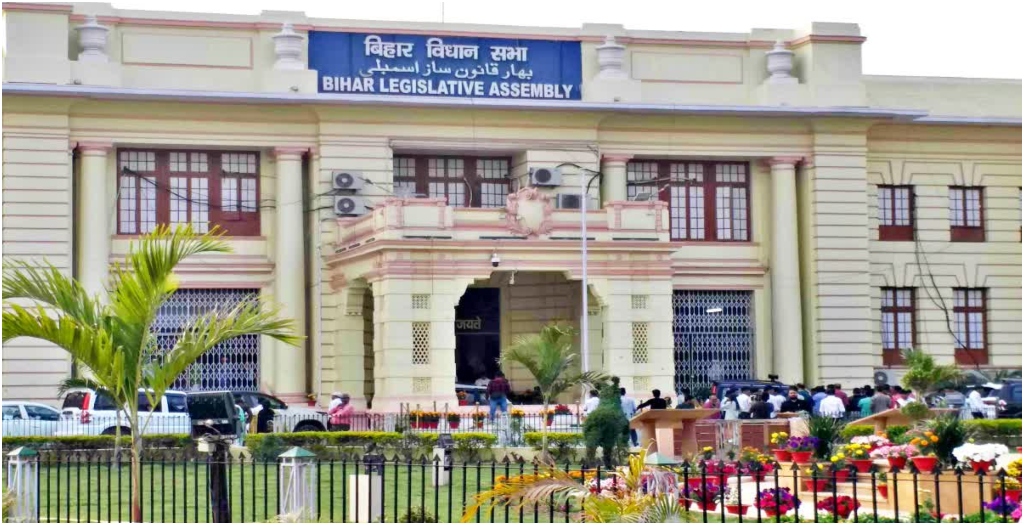
Patna: The Bihar assembly is meeting today for the 19th and final day of its budget session, and the atmosphere is expected to be tense. Opposition parties are preparing to question the government over the Comptroller and Auditor General (CAG) report, while the recent visit of Union home minister Amit Shah has further increased political heat in the state. Leaders from both sides are likely to use the final day to make strong statements before the session concludes.

The budget session began on February 2 and saw the passage of the state budget for the financial year 2026–27. Budgets for different departments were discussed and approved, and several bills were also passed. This time, Question Hour functioned more smoothly than in many previous sessions. Ministers answered questions from members, and there were fewer disruptions. With a smaller number of opposition MLAs in the House and the absence for much of the session of leader of the opposition Tejashwi Yadav, the government was able to conduct business without major hurdles.
However, the opposition is expected to be more aggressive on the final day. The CAG report could become the main issue of confrontation, with opposition members likely to raise concerns about financial management and demand clear answers from the government. There are chances of uproar if the debate turns heated. Political observers say that the last day often becomes a platform for strong criticism and final remarks from both sides.

At the same time, Shah’s three-day visit to Bihar, especially to the Seemanchal region, has become a major political talking point. The ruling party has highlighted concerns about infiltration, while opposition leaders have criticised the visit and questioned its timing. The issue is likely to echo inside the assembly as well, adding to the charged atmosphere.
Proceedings in the House will begin at 11am with Question Hour. Questions related to departments such as energy, tourism, disaster management, planning and development, parliamentary affairs and health will be taken up. Ministers will respond to these questions. Reports of various assembly committees will also be presented. After the lunch break, members will discuss non-official resolutions, mainly related to development works in their constituencies. The government will reply to these proposals, and voting may take place if needed, before the session finally comes to an end.