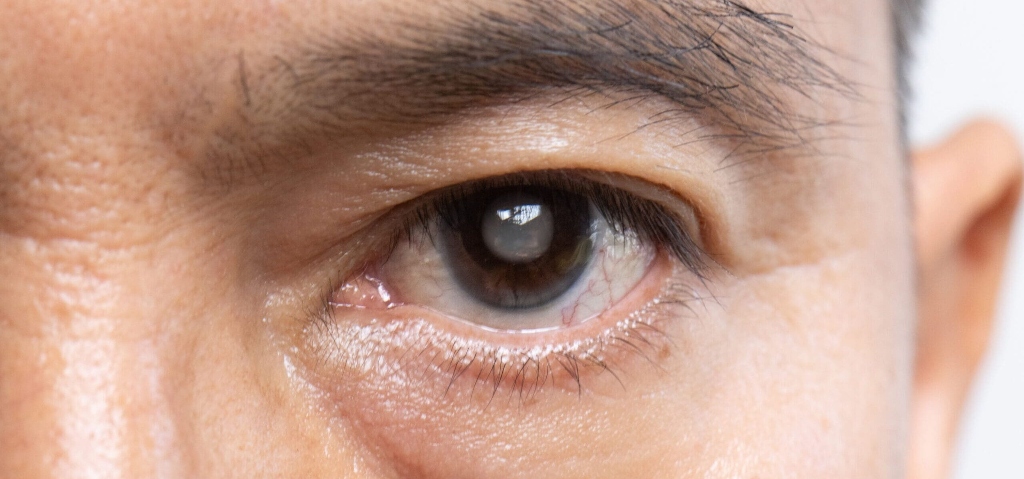
Patna: Glaucoma, a serious eye condition often known as kala motia or black cataract, can gradually damage eyesight without showing clear warning signs. In many cases, patients remain unaware of the disease until their vision has already been significantly affected. Because of its slow and silent progression, glaucoma is widely described by doctors as the “silent thief of sight”.

The need for greater awareness about the disease is highlighted during World Glaucoma Week, observed every year from 8 to 14 March. The campaign aims to encourage people to prioritise regular eye examinations and early detection. This year’s theme calls for collective efforts towards building a glaucoma-free world.
According to Dr Naveen Kumar, an ophthalmologist at Mithila Eye Hospital, glaucoma develops when pressure inside the eye increases and damages the optic nerve, which is responsible for transmitting visual signals from the eye to the brain. If the condition is not diagnosed in time, it can gradually reduce vision and may ultimately lead to permanent blindness.

Doctors say modern technology has made early detection easier. Mithila Eye Hospital has installed advanced diagnostic facilities, including an Optical Coherence Tomography (OCT) machine and a modern ultrasound system manufactured in Europe. These technologies help doctors detect glaucoma at an early stage and are also useful for diagnosing retinal diseases and eye complications linked to diabetes.
Experts also warn that glaucoma can be hereditary. Dr Kumar said people with a family history of the disease have a higher risk and should undergo regular screening. Maintaining a healthy diet rich in nutrients including foods such as almonds, milk, citrus juices, eggs and peanuts can also support overall eye health.
Because glaucoma often progresses slowly, many people do not notice any changes in their vision during the early stages. However, in severe cases, symptoms may include blurred vision, rainbow-coloured halos around bright lights, eye and head pain, nausea, vomiting and sudden vision loss. Health experts recommend that people above the age of 40 should undergo a comprehensive eye examination at least once a year to ensure early diagnosis and effective management of the disease.