Patna: Devotees across Bihar began a 36-hour waterless fast on Monday as the four-day festival of Chaiti Chhath entered its second day, marked by the ritual of Kharna.

Observed on Chaitra Shukla Panchami, the day saw worshippers fast through the day before offering prayers to Surya, the sun deity, in the evening. The fast was then broken with a simple, sacred meal prepared under strict conditions of purity, after which devotees undertook the nirjala upvas, a rigorous fast without food or water lasting 36 hours.
The origins of the Chhath fast are believed to trace back to the Vedic period, with references in the Rigveda and the Vishnu Purana. According to traditional belief, the Saptami (seventh lunar day) is dedicated to the sun god, who is regarded as its presiding deity.

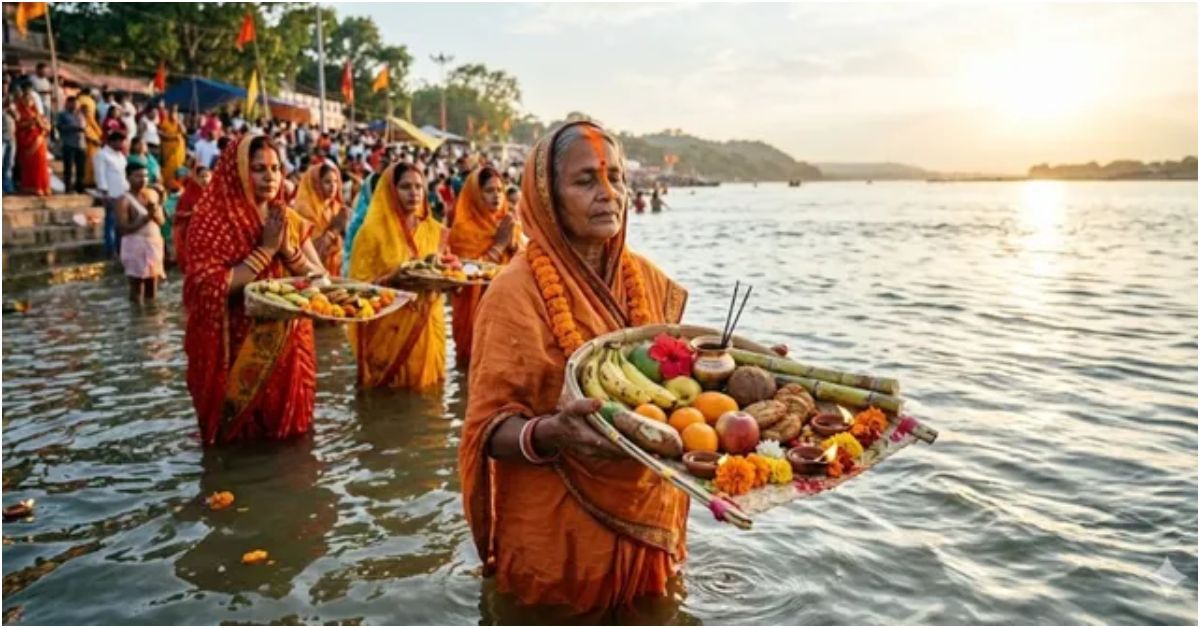
On Tuesday, the third day of the festival, devotees will gather at riverbanks and water bodies to offer arghya to the setting sun. The ritual is considered one of the most significant moments of the festival, drawing large crowds to ghats across the state.
The festival will conclude on Wednesday, Chaitra Shukla Saptami, when devotees will offer prayers to the rising sun, marking the end of the fast.
Ritual offerings during Chhath often include water presented from copper vessels, along with sandalwood, flowers and other traditional elements. Devotees also offer milk as part of the prayers, which is considered auspicious and associated with prosperity and well-being.
In addition to the worship of the sun, the festival honours the solar energies represented by Usha, the first light of dawn, and Pratyusha, the last light at dusk. The evening and morning offerings symbolise reverence for these transitional phases, believed to mark the completion of the fast and the fulfilment of devotees’ prayers.