Patna: Across Bihar, a cluster of natural and newly developed attractions is witnessing a steady rise in footfall, particularly during the summer months, as tourists seek out cooler retreats and scenic landscapes.

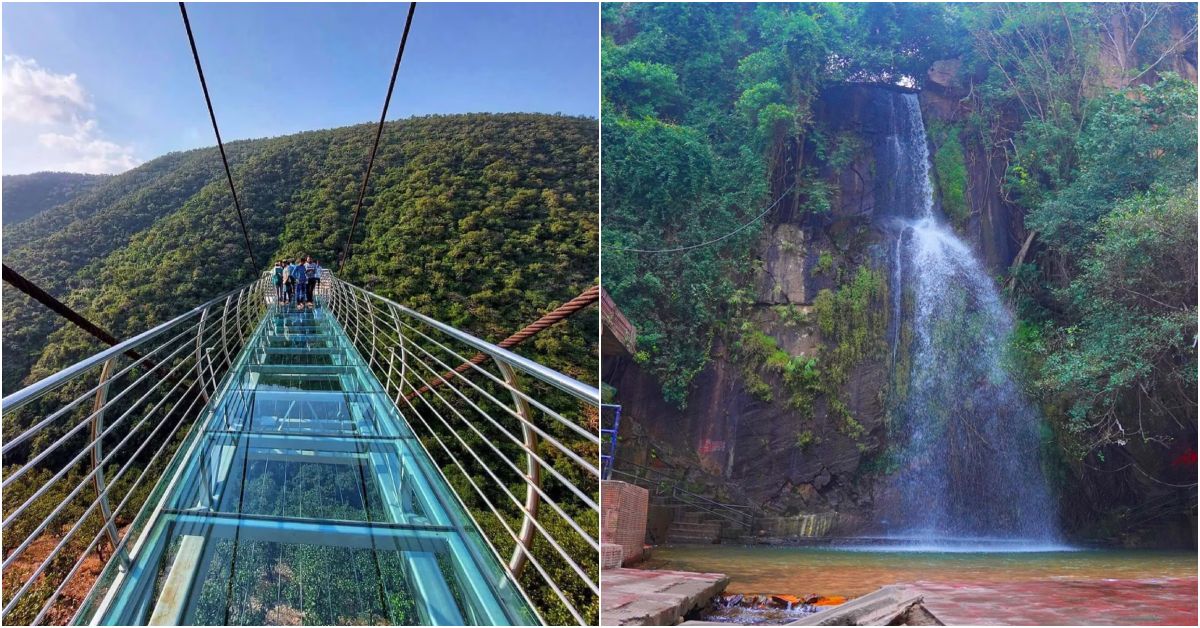
Among the most visited sites are the glass skywalk in Rajgir, the forested expanse of Bhimbandh Wildlife Sanctuary, and the popular Kakolat Waterfall. These destinations have become key draws due to a combination of natural beauty and expanding visitor facilities.
Officials say eco-tourism is gaining traction across the state, with investments in roads, accommodation and basic amenities improving accessibility. The Valmiki Tiger Reserve, spread across about 901 sq km, remains Bihar’s flagship eco-tourism site. It is home to Bengal tigers, leopards, bears and over 250 bird species, attracting wildlife enthusiasts year-round.

Other sites are also seeing increased attention. The Vikramshila Gangetic Dolphin Sanctuary offers visitors a chance to observe the endangered Gangetic dolphin in its natural habitat, while Rajgir’s nature and zoo safaris, along with Ghodakatora Lake, continue to draw large crowds.
Waterfalls and reservoirs across districts are emerging as seasonal attractions. Besides Kakolat, destinations such as Tutla Bhawani, Manjhar Kund and Dhuan Kund in Rohtas district, along with the Indrapuri barrage, are becoming popular for nature-based tourism.
Bird sanctuaries are also playing a crucial role in boosting visitor numbers. The Kanwar Lake Bird Sanctuary and Kusheshwar Asthan Bird Sanctuary attract migratory birds during winter, drawing birdwatchers from across the country.
In addition, sites such as the Gautam Buddha Wildlife Sanctuary and Sanjay Gandhi Biological Park continue to serve as major urban eco-tourism hubs.
With a mix of biodiversity, scenic landscapes and improving infrastructure, Bihar’s tourism sector is steadily expanding, positioning the state as an emerging destination for eco-conscious travellers.