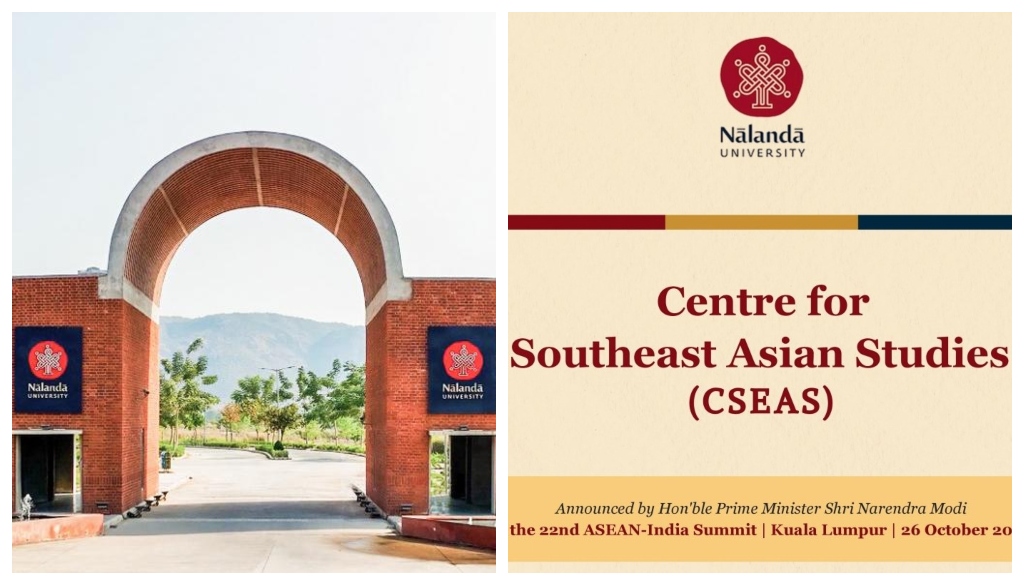
Rajgir/Patna: Nalanda University on March 31 inaugurated the Centre for Southeast Asian Studies (CSEAS), marking a significant step in strengthening India’s academic, cultural and strategic engagement with Southeast Asia.

The launch took place shortly after the university’s second convocation ceremony earlier in the day, adding to the significance of the occasion.
The establishment of the centre builds on the vision articulated by Prime Minister Narendra Modi during the 22nd ASEAN-India Summit in October 2025, where he announced plans for its creation. The initiative reflects India’s broader push to deepen ties with ASEAN nations through academic collaboration, policy dialogue and shared civilisational linkages.

The centre was inaugurated by Periasamy Kumaran, who emphasised the importance of knowledge partnerships in strengthening India-ASEAN relations. He said Nalanda University is uniquely positioned to act as a bridge between India and Southeast Asia.
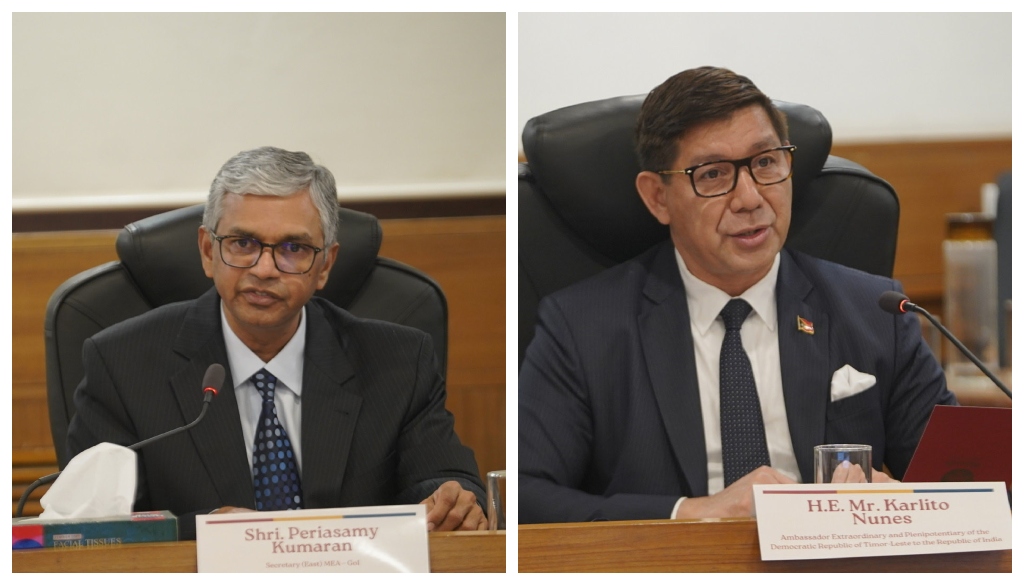
The inaugural event was attended by senior representatives and dignitaries from ASEAN member states and diplomatic missions. Among those present were Ahmad Zahid Hamidi; Karlito Nunes; Nguyen Minh Hang; Sokhonn Prak; and Phongsavanh Sisoulath, along with officials from India’s ministry of external affairs and the university leadership.
In his closing remarks, vice-chancellor Sachin Chaturvedi said the centre would provide an intellectual foundation for India’s Act East policy. He added that CSEAS would promote research, knowledge exchange and deeper engagement with Southeast Asia’s historical and cultural connections to India.
The centre is envisioned as a hub for interdisciplinary research on the region, covering areas such as culture, economy, governance, maritime studies and regional cooperation. It will facilitate academic exchange and collaborative research among scholars, policymakers and practitioners across India and ASEAN countries.
Officials said the initiative aims to revive centuries-old civilisational ties while contributing to contemporary policy discourse and strengthening regional cooperation frameworks.