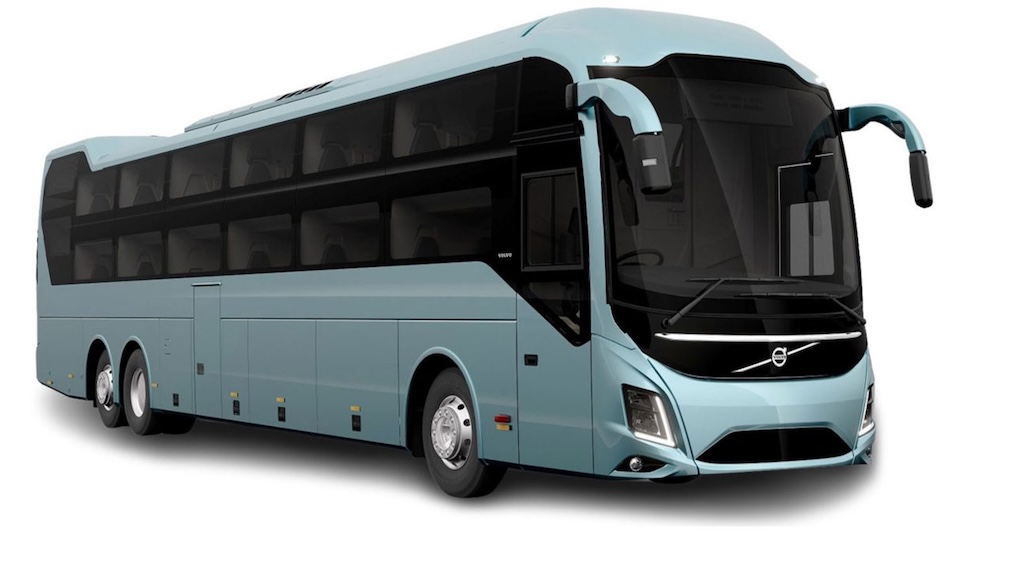
Patna: Patna is set to introduce a fleet of luxury Volvo sleeper buses, marking a significant upgrade in intercity travel as the state looks to offer a more comfortable alternative to trains and flights.

The service will operate from the Pataliputra Inter-State Bus Terminal, with 10 premium buses planned in the initial phase. Officials said the first Volvo sleeper bus, connecting Patna to Jamshedpur (Tata), is expected to begin operations this month, with registration completed and permits in their final stage.
The introduction of sleeper-class Volvo buses is a first for Patna, offering overnight travel with amenities designed to mirror those of high-end hotels and airlines.

Each bus will feature individual sleeper berths, curtains and mattresses, onboard restroom facilities and in-seat service systems. Industry representatives say the buses are designed to provide a smooth, uninterrupted journey, allowing passengers to travel long distances overnight in comfort.
The buses come at a significantly higher cost compared with standard vehicles, with each unit priced at around Rs 2.5 crore — nearly three to four times the cost of a conventional bus.
Fares are also expected to reflect the premium offering. The ticket price for the Patna–Tata route has been set at around Rs 1,500 for a sleeper berth, compared with approximately Rs 750 on regular buses. Seater fares are expected to be around Rs 900, while AC sleeper berths on other services typically cost around Rs 1,200.
Officials said the service is aimed at long-distance travellers who currently face challenges in securing train tickets. After the Tata route, services are planned for Puri, followed by Rourkela and other major cities, with Delhi expected to see the highest frequency of buses.
Chandan Kumar, divisional president of the Bihar Motor Transport Federation, said the initiative would provide a major boost to passenger convenience and offer a reliable alternative for intercity travel.
Further expansion of similar luxury bus services is expected over the next one to two months as operators scale up operations across key routes.