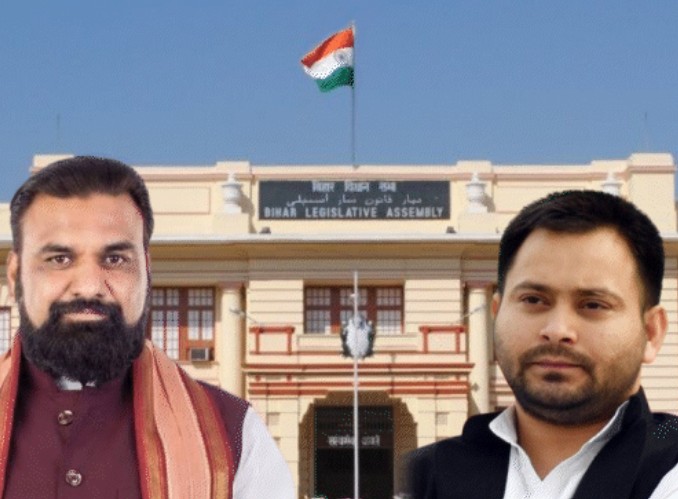
Patna: The Monsoon Session of the Bihar Legislative Assembly will begin on July 20 and continue until July 24, bringing legislators together for five days of financial business, legislative work and departmental scrutiny. The session comes just months before the state’s Assembly elections, making it one of the most closely watched sittings of the year.

Alongside government bills and financial proposals, ministers will answer questions from legislators on the functioning of departments ranging from education and agriculture to health and infrastructure. The opposition is expected to press the government on issues including employment, law and order, rural development and public services.
Opening Day to Focus on Oaths and Supplementary Budget

Proceedings on July 20 will begin with newly elected members taking the oath or affirmation, where applicable. Certified copies of ordinances promulgated by the Governor will also be laid before the House.
The government is scheduled to present the First Supplementary Budget, formally known as the Supplementary Statement of Expenditure, for the 2026–27 financial year. The opening day’s agenda is largely devoted to procedural and financial business rather than policy debates.
Education, Employment and Welfare in Focus on July 21
Question Hour on the second day will cover a broad range of departments dealing with education, social welfare and youth affairs.
Ministers are scheduled to answer questions relating to the Education Department, Higher Education Department, Mines and Geology Department, Prohibition, Excise and Registration Department, Environment, Forest and Climate Change Department, Social Welfare Department, SC & ST Welfare Department, Backward Classes and Extremely Backward Classes Welfare Department, Transport Department, Science, Technology and Technical Education Department, Art, Culture and Youth Department, Sports Department, and the Youth Employment and Skill Development Department.
Debates are expected to centre on school education, higher education, employment opportunities, welfare programmes and skill development, with the opposition likely to seek detailed responses from the government.
Rural Development and Infrastructure Take Centre Stage
The third day of the session will focus on departments responsible for rural development and public infrastructure.
Questions will be directed to the Rural Works Department, Rural Development Department, Panchayati Raj Department, Water Resources Department, Minor Water Resources Department, Road Construction Department, Building Construction Department, and the Labour Resources and Migrant Workers’ Welfare Department.
Legislators are expected to raise issues concerning rural roads, irrigation projects, panchayat administration, employment generation and the welfare of migrant workers.
Agriculture, Land and Urban Services Scheduled for July 23
On the fourth day, ministers will respond to questions concerning agriculture, land administration and urban governance.
The agenda includes the Agriculture Department, Revenue and Land Reforms Department, Fisheries and Animal Resources Department, Public Health Engineering Department, Food and Consumer Protection Department, Urban Development and Housing Department, and the Cooperative Department.
Discussions are expected to cover agricultural support, land-related disputes, drinking water supply, the public distribution system, urban infrastructure and the functioning of cooperative institutions.
Health, Energy and Disaster Preparedness on Final Day
The final sitting on July 24 will conclude departmental Question Hour with discussions involving the Energy Department, Disaster Management Department, Tourism Department, Planning and Development Department, Parliamentary Affairs Department, Health Department, and the Law Department.
Members are expected to seek responses on electricity supply, healthcare services, disaster preparedness, tourism initiatives, development planning and legal affairs.
Session Expected to Test Government Ahead of Elections
Beyond Question Hour, the Assembly will consider government legislation, financial proposals and other official business during the five-day session.
The opposition is expected to challenge the government on issues including education, employment, law and order, agriculture and the implementation of development programmes. The government, meanwhile, is likely to use the session to defend its record and outline its policy priorities.
With Bihar heading towards Assembly elections, the Monsoon Session is expected to provide an early indication of the political narratives both sides intend to take into the campaign, while offering legislators an opportunity to scrutinise the government’s performance across key sectors.