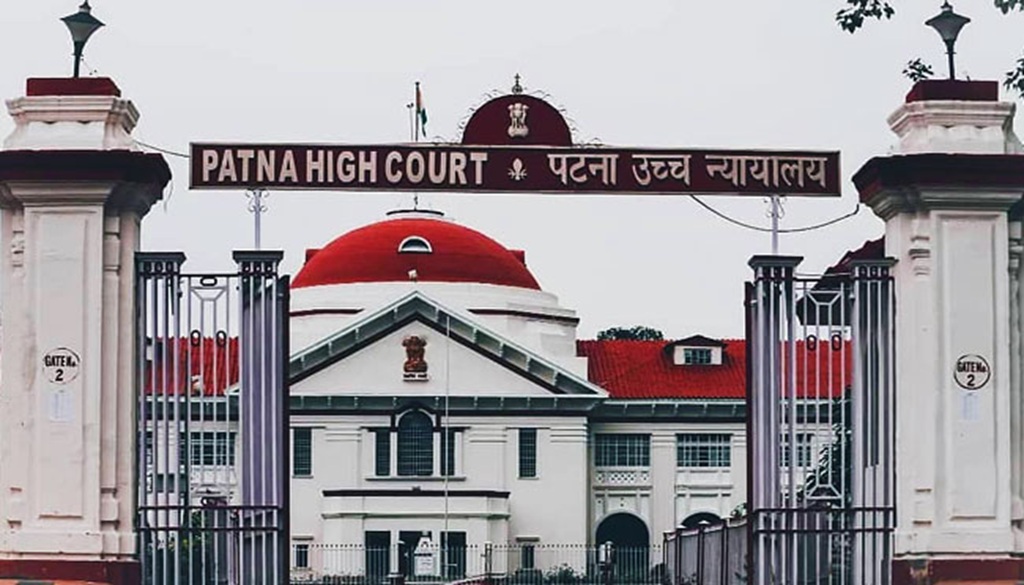
Patna: The Patna High Court has ruled that non-payment of an electricity bill does not, by itself, amount to electricity theft, quashing an FIR registered against a domestic consumer under Section 135 of the Electricity Act.

Justice Jitendra Kumar, hearing a petition filed by Md Shahid Imam, said an outstanding electricity bill and failure to pay the amount do not establish the criminal offence of electricity theft.
The case arose after the electricity department disconnected the petitioner’s supply over outstanding dues of Rs 5.39 lakh. Despite the disconnection, an FIR was registered against him alleging unauthorised use of electricity. He subsequently challenged the criminal proceedings before the High Court.

Dishonest Intention Must Be Proved
The court distinguished between unauthorised use of electricity and electricity theft under the Electricity Act.
It observed that an offence under Section 135 requires the prosecution to establish a dishonest intention. Merely establishing that an electricity consumer has failed to pay outstanding bills is not sufficient to satisfy that requirement.
By contrast, unauthorised use under Section 126 can result in civil liability and does not require proof of dishonest intention.
Civil Recovery Still Possible
The High Court, relying on a Supreme Court judgment, said the electricity department was entitled to pursue civil proceedings to recover outstanding dues.
However, it held that the department could not convert the unpaid bill into a criminal case under Section 135 without establishing the ingredients of electricity theft.
Allowing Shahid Imam’s petition, the court quashed the FIR, clarifying that an unpaid electricity bill and a criminal allegation of electricity theft are not interchangeable in law.