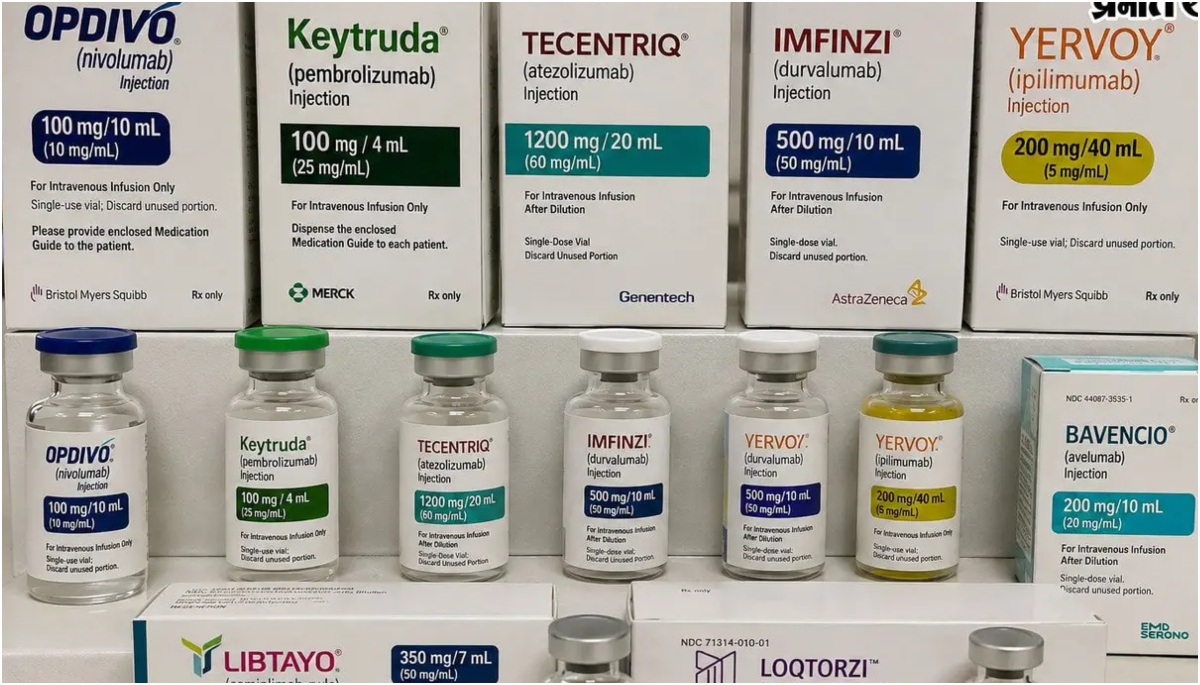
Patna: The cost of some expensive immunotherapy drugs used in cancer treatment could fall from more than Rs 2 lakh to around Rs 60,000 after patents expire, doctors in Patna said.

The expected reduction could make long-term cancer treatment more affordable for patients who require repeated doses of immunotherapy.
Patent Expiry May Increase Competition

According to Chunendra Mahto, Drug Controller Administrator for Patna district, patents for certain immunotherapy drugs are due to expire.
Once the patents expire, other pharmaceutical companies can introduce medicines based on the same active ingredients and established formulations, subject to regulatory approvals.
The entry of more manufacturers is expected to increase competition and put downward pressure on prices. Mahto said generic versions of some immunotherapy drugs could also enter the market.
However, the final price will depend on the drug, manufacturer and regulatory processes. The expected reduction from around Rs 2 lakh to Rs 60,000 is not applicable to every immunotherapy medicine.
Drugs Used For Several Cancers
Immunotherapy works by helping the body’s immune system recognise and attack cancer cells. Doctors decide whether to use it based on the type and stage of cancer and the patient’s individual condition.
Some immunotherapy medicines are used in the treatment of cancers affecting the stomach, lungs, breasts, kidneys and uterus.
Dr Rajesh Kumar Singh, head of the oncology department at the Indira Gandhi Institute of Medical Sciences (IGIMS), said the current cost of these medicines places a significant financial burden on patients.
He said taxes and other charges contribute to the overall cost of individual doses, and any reduction in medicine prices could make treatment more affordable.
Customs Duty Exemption Could Support Lower Costs
The Union Budget also announced the removal of customs duty on 17 cancer drugs, including medicines used in cancer treatment and immunotherapy.
The move is expected to reduce the import-related cost of eligible medicines and could contribute to making some cancer treatments more accessible.
The extent to which patients benefit will depend on the specific medicines covered and how manufacturers and distributors pass on the savings.
Long-Term Treatment Adds To Financial Burden
Dr Arvind Kumar, director of Buddha Cancer Centre and an oncologist, said cancer treatment often involves prolonged therapy rather than a one-time intervention.
He compared the long-term nature of some cancer treatments with medicines taken regularly for conditions such as diabetes and high blood pressure.
According to Kumar, newer medicines are helping control cancer for longer periods, including in some advanced cases. As treatment continues over an extended period, the cost of medicines remains a major concern for patients and their families.
The expected decline in prices of some immunotherapy drugs could therefore provide financial relief, particularly for patients requiring repeated treatment. Actual savings, however, will depend on individual medicines, their availability and market prices.