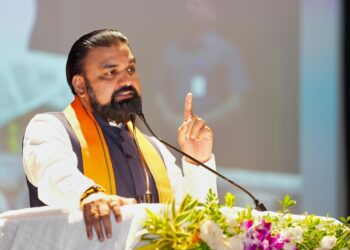
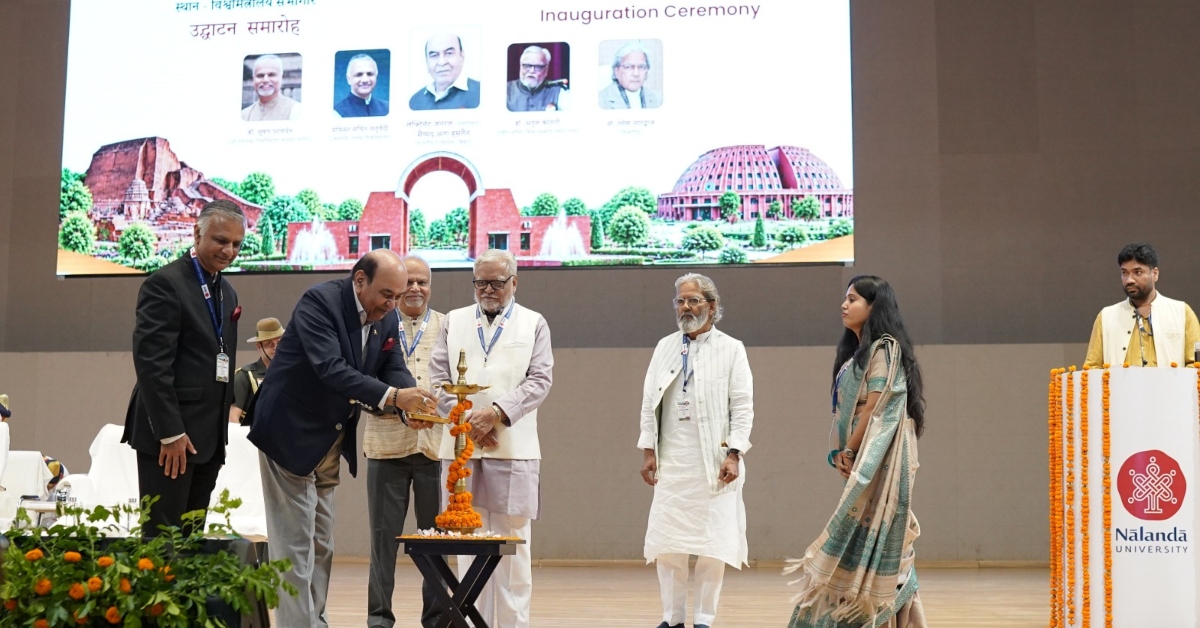
Rajgir: Bihar Governor Lt Gen (Retd) Syed Ata Hasnain inaugurated a two-day national symposium on ‘Role of Indian Knowledge Traditions in Building a Developed India’ at Nalanda University in Rajgir on Monday.

The symposium is being organised in collaboration with the Shiksha Sanskriti Utthan Nyas and brings together vice-chancellors, directors, academicians, researchers and experts in Indian Knowledge Traditions from universities and higher educational institutions across the country.
Nalanda University identifies Professor Sachin Chaturvedi as its Vice Chancellor.

Focus On Contemporary Relevance
Introducing the theme, Chaturvedi said the discussion should move beyond whether Indian Knowledge Traditions remain relevant to how they can be carried forward and connected with contemporary education, research and innovation.
He said these traditions should be viewed as part of a wider shared knowledge heritage extending across South Asia and the broader Asian civilisational landscape.
Chaturvedi said Nalanda University is developing specialised courses and initiatives to familiarise students from different countries with the Nalanda approach to knowledge and Indian Knowledge Traditions. The university’s existing academic offerings include courses examining Indian philosophy, astronomy, mathematics, traditional knowledge sources and other areas of Indian intellectual traditions.
He also stressed the importance of an interdisciplinary approach and said evidence, reasoning, dialogue and respect for diverse perspectives should form an integral part of education.
Discussion On Education And Innovation
Educationist Professor Ramesh Bhardwaj highlighted the role of the National Education Policy 2020 in making the education system more India-centric.
He called for greater efforts to study India’s knowledge and scientific traditions through evidence, literary sources and archaeological findings. He also highlighted the work of the Shiksha Sanskriti Utthan Nyas in promoting centres, research, workshops and academic activities related to Indian Knowledge Traditions.
Former UGC Vice Chairman Professor Bhushan Patwardhan said Indian knowledge should not be viewed only as a matter of heritage or pride, but also examined for ideas that could contribute to addressing contemporary challenges.
He emphasised continuous knowledge development, dialogue and intellectual curiosity, and called for ancient knowledge traditions to be studied in contemporary contexts and explored for their potential contribution to innovation.
Climate Change And Sustainable Living
Dr Atul Kothari, National Secretary of the Shiksha Sanskriti Utthan Nyas, linked Indian Knowledge Traditions with contemporary challenges including environmental degradation, climate change, mental health and sustainable living.
Citing yoga as an example, he highlighted what he described as the holistic approach embedded in Indian traditions and called for greater integration of these traditions with contemporary education and research.
Governor Highlights Nalanda’s Knowledge Legacy
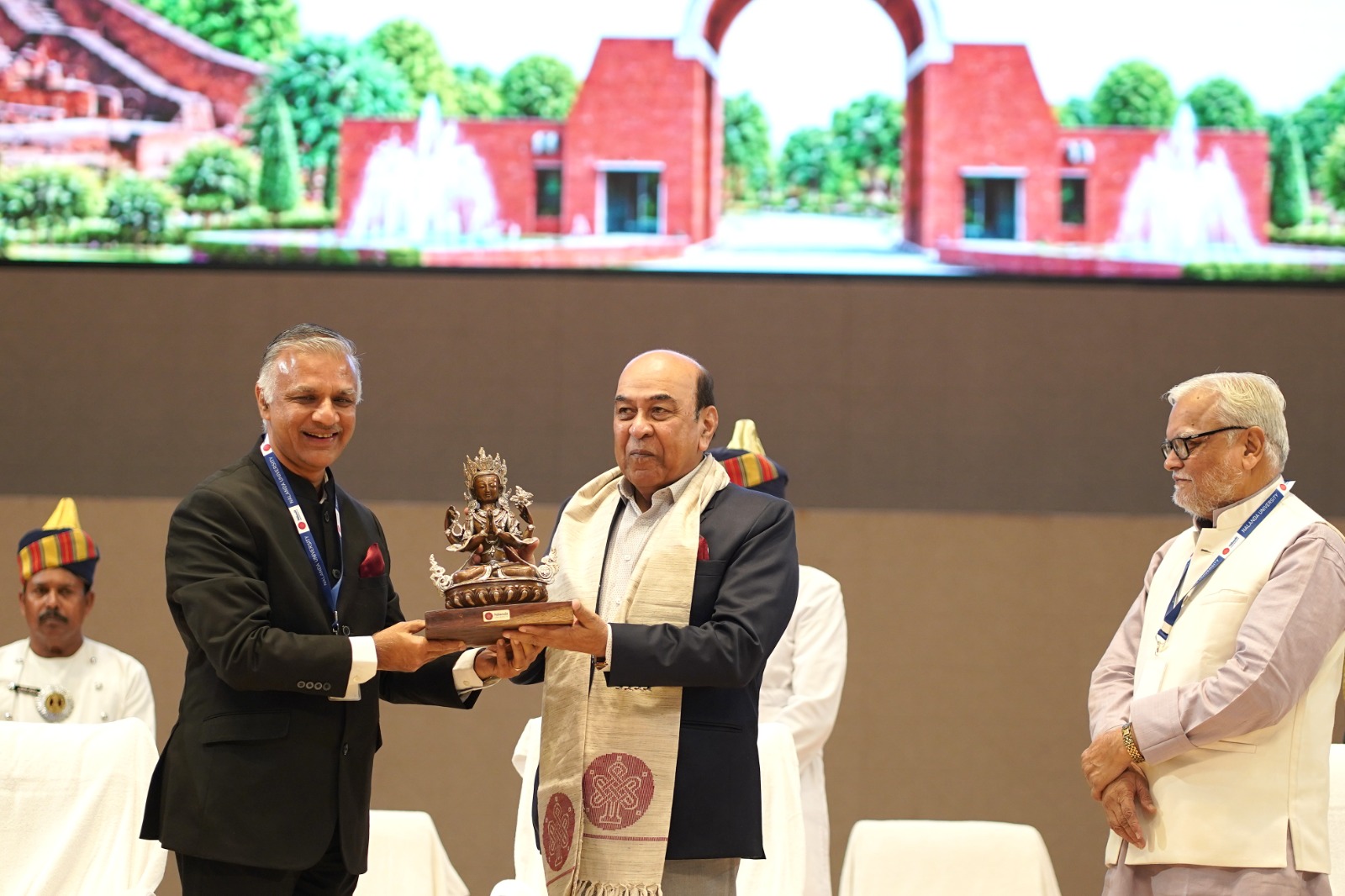
In his address, Governor Syed Ata Hasnain said Nalanda was an appropriate venue for discussions on Indian Knowledge Traditions and the vision of a developed India.
He referred to Nalanda, Rajgir, Bodh Gaya, Vaishali and Vikramshila as part of a wider geography associated with knowledge, spirituality and intellectual exchange.
Hasnain said knowledge has a central role in modern development, technology and national power. He argued that India should seek to become not only a consumer of knowledge but also a creator of knowledge.
He referred to India’s historical contributions in fields including mathematics, astronomy, medicine, philosophy, linguistics, metallurgy and governance, and called for a dialogue between traditional knowledge and modern science.
The Governor also emphasised the development of Indian languages as languages of research, innovation and knowledge creation.
Nalanda Approach And Global Collaboration
Discussing what he described as the ‘Nalanda Approach’, Hasnain said India’s civilisational strength also includes building international partnerships through knowledge, culture, education and scholarship.
He highlighted initiatives associated with Nalanda University, including the Nalanda Spirit, Shastrartha and Sahabhagita, as efforts to connect knowledge with society.
He said the future Nalanda should serve as a platform where scholars from India and other countries work together on contemporary challenges such as climate change, disaster resilience, public health, emerging technologies, ethics and sustainable development.
Symposium To Conclude On September 22
The two-day symposium includes sessions on Indian Knowledge Traditions and the Nalanda ethos, their integration into higher education, the cultural foundations of a developed India and the way forward.
The symposium will conclude on September 22 with the presentation of a report, key outcomes from the discussions and an action plan for future initiatives.