
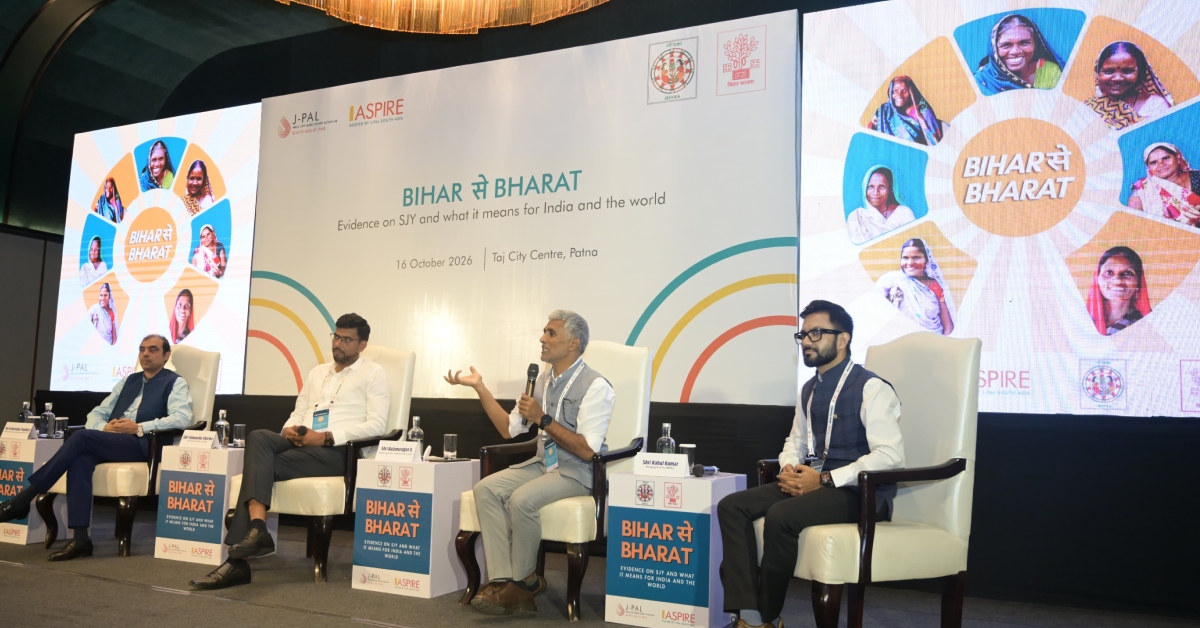
Patna: Senior government officials, researchers and development sector representatives gathered at an event organised by J-PAL South Asia to review the implementation and evaluation of Bihar’s Satat Jeevikoparjan Yojana (Sustainable Livelihood Scheme), reflecting on its decade-long journey and lessons for programmes targeting the ultra-poor.

The discussions focused on the scheme’s implementation, evaluation findings and institutional experiences, with an emphasis on evidence-based policymaking, effective delivery and continuous learning to improve livelihood interventions for the most marginalised households.
The event also provided a platform to examine the national and global relevance of Bihar’s livelihood model.

Scheme Model And Implementation Reviewed
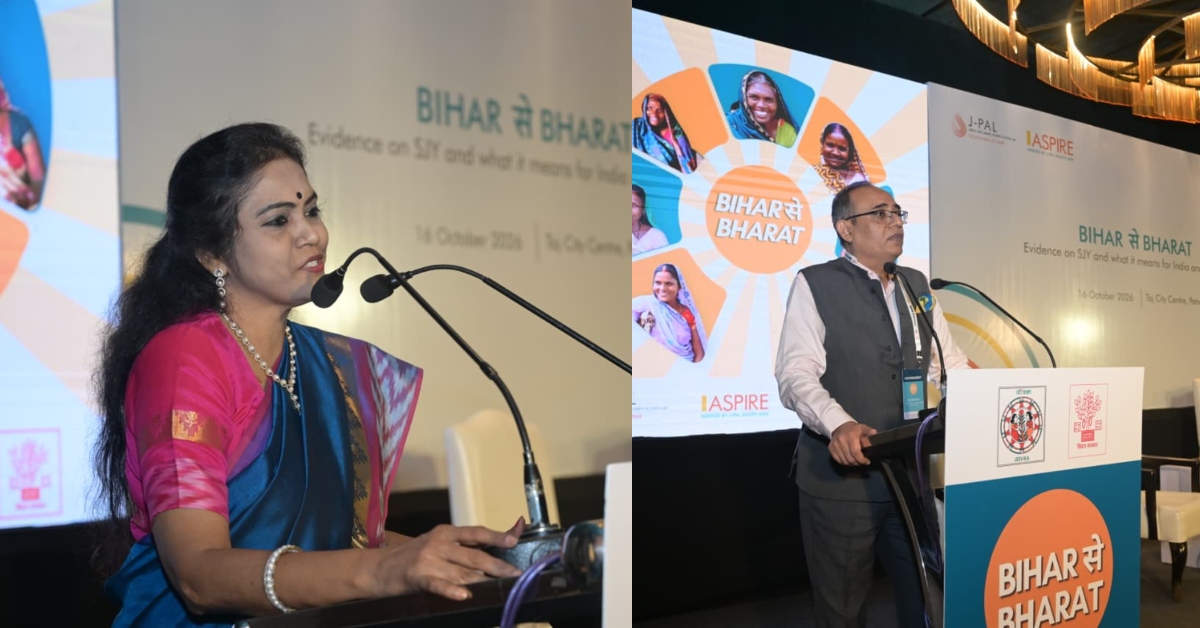
The proceedings began with an inaugural address by Shobhini Mukerji, executive director of J-PAL South Asia, who discussed the scheme’s evaluation and the organisation’s role in generating evidence and drawing lessons from its implementation.
Ananya Singh, additional chief executive officer of Jeevika, presented the scheme’s operational model, implementation approach and achievements. A short film provided participants with an overview of its core concept and execution.
H R Srinivas, additional chief secretary in Bihar’s Rural Development Department, subsequently discussed the scheme’s significance for rural development.
Evaluation Findings And Policy Lessons
A key session examined the scheme’s evaluation, with Dr M R Sharan, Dr Jyoti Mukhopadhyay and Dr Shagun Sabarwal discussing the findings and the challenge of ensuring that development benefits reach the most marginalised communities.
A question-and-answer session allowed participants to discuss the scheme’s impact, implementation and lessons. The discussion focused on how evidence could help refine the design and delivery of livelihood programmes to better address the needs of extremely poor households.
Arvind Kumar Chaudhary, additional chief secretary in the Bihar government, shared his views on policy choices intended to ensure the scheme’s long-term impact.
A separate discussion examined the role of leadership in designing, expanding and improving the initiative. Chaired by Chaudhary, the session included Balamurugan D, joint secretary in the Union Ministry of Corporate Affairs; Rahul Kumar, managing director of North Bihar Power Distribution Company Limited (NBPDCL); and Himanshu Sharma, chief executive officer of Jeevika.
A Decade Of Livelihood Initiatives
Another session reflected on the scheme’s decade-long development, major achievements and milestones. Speakers included Sharma, Shagun Sabarwal of Co-Impact, Sanjib Kumar Das of Bandhan-Konnagar and Sudhanshu Sharma of the Gates Foundation. Mukerji moderated the discussion.
The participants examined how the initiative had evolved, the contributions of different organisations and the lessons emerging from their collective experience.
The event also addressed the national perspective on inclusive livelihoods and the Inclusive Livelihoods Scheme, referred to as Samaveshi Aajeevika Yojana (SAY) in the programme material. Monika, deputy secretary in the Union Ministry of Rural Development, spoke on the subject.
Global Perspective On Tackling Extreme Poverty
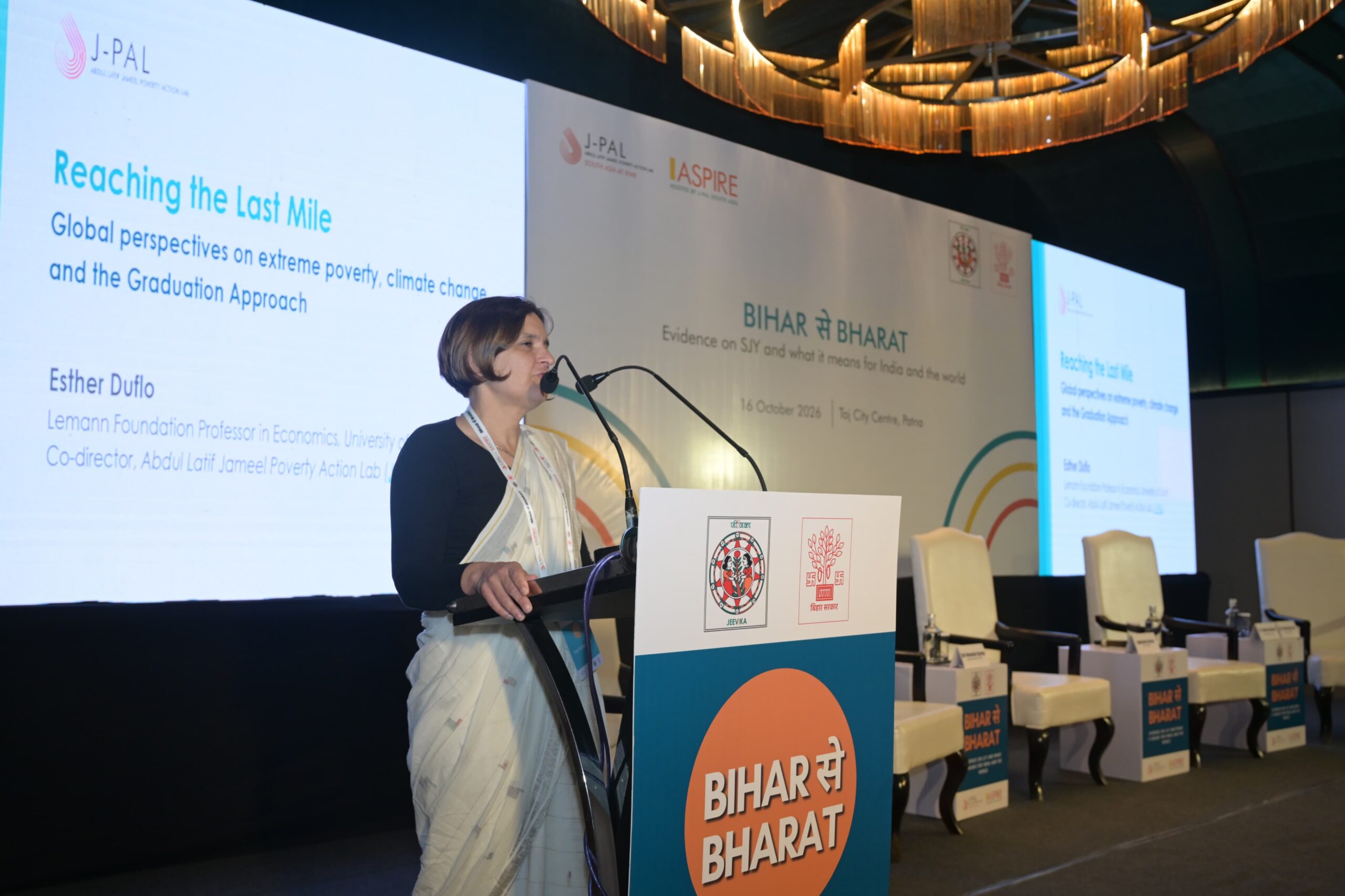
Professor Esther Duflo of the Massachusetts Institute of Technology, co-founder of J-PAL and a Nobel laureate, presented a global perspective on eradicating extreme poverty and the role of the graduation approach in livelihood programmes.
In a keynote address, Rohit Kansal, secretary in the Union Ministry of Rural Development, discussed the use of evidence to drive innovation and develop solutions in rural development.
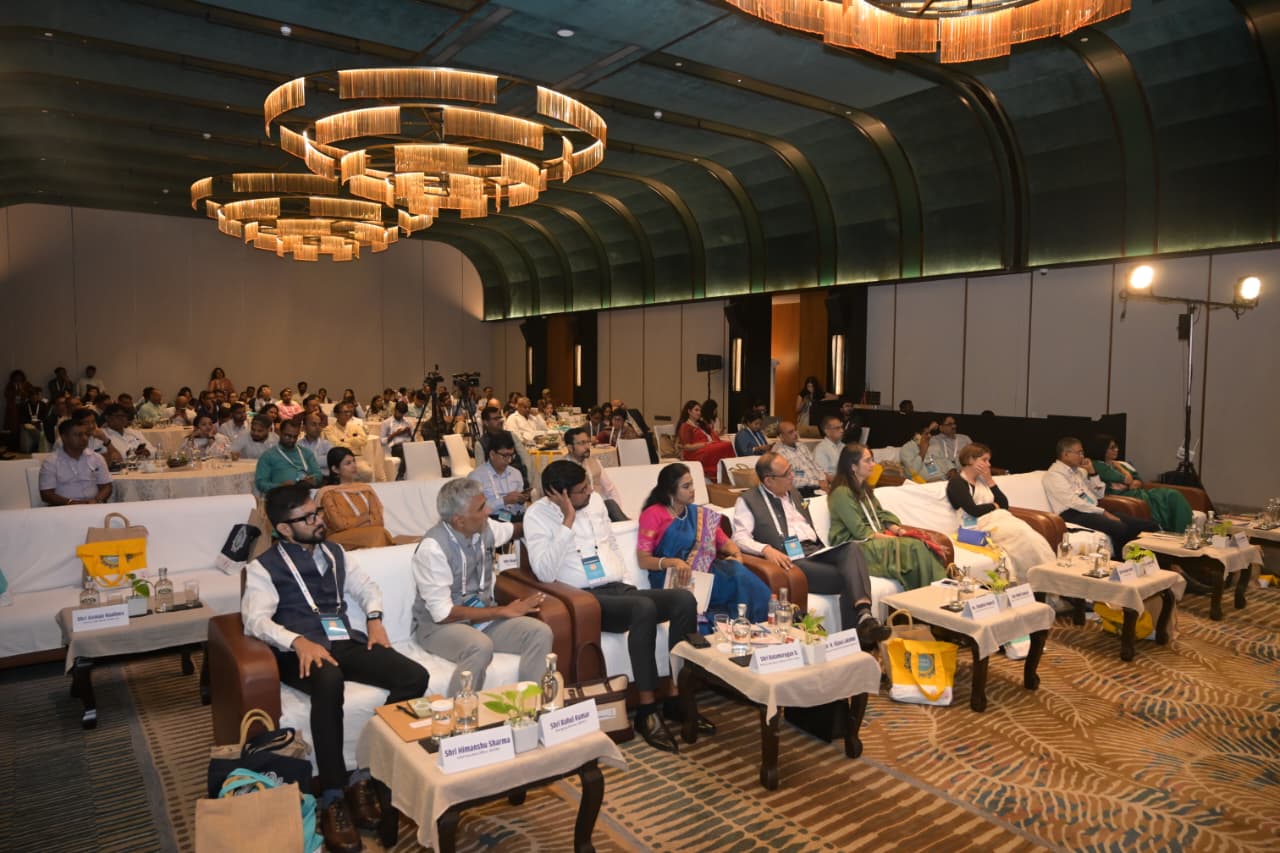
The event was attended by senior officials from the Union and Bihar governments, representatives of Jeevika, national and international experts, and delegates from organisations working in the development sector.
Among those present were Arvind Kumar Chaudhary, H R Srinivas, N Vijayalakshmi, Balamurugan D, Rahul Kumar, Himanshu Sharma, Ananya Singh and Monika.
The discussions highlighted the importance of using evaluation findings, institutional leadership, innovation and collaboration to strengthen future rural livelihood programmes. The event concluded with a vote of thanks by Ananya Singh, additional chief executive officer of Jeevika.