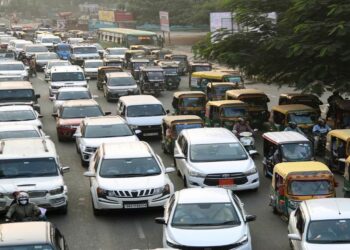
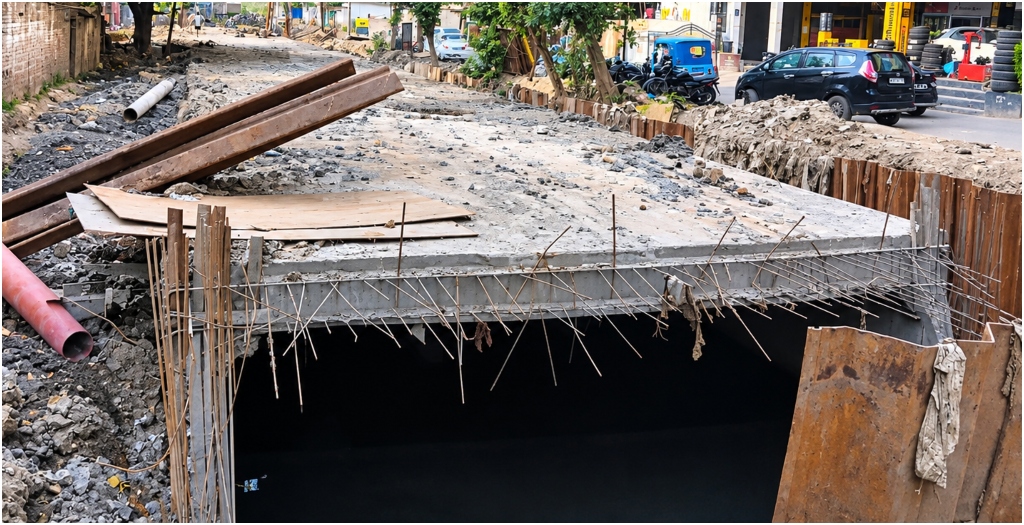
Patna: Roads are planned over six major drains in Patna as part of a proposed initiative to improve rainwater drainage and reduce traffic congestion in densely populated areas. The project will cover the Pahari, Mohanpur, Yogipur, Badshahi Pain, City Mot and Khanua drains, following a model similar to the Mandiri drain project.

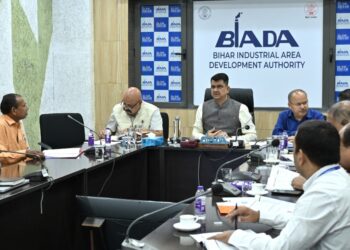
The initiative will be led by the Bihar Urban Infrastructure Development Corporation (BUDCO) under the Urban Development and Housing Department. The project will focus on assessing drainage deficiencies, removing obstructions and improving the flow of rainwater across the city.
Technical Study To Assess Drainage Problems

The project will begin with a comprehensive assessment of the six drains to identify the causes of waterlogging and determine the improvements required.
The study will examine rainwater discharge, drainage capacity, water backflow and physical obstructions. Drone surveys, topographical surveys and hydraulic modelling will be used to assess the existing network.
A geographical information system (GIS)-based digital map will also be prepared to show the drain network and water flow patterns. The findings will help identify areas where drainage capacity needs to be strengthened.
BUDCO will oversee the improvement and construction work, including the integration of the service drain network. The selected agency will be required to submit a Detailed Project Report (DPR), a Bill of Quantities (BOQ) and construction-ready drawings within 30 days of the project’s commencement.
These documents will establish the technical requirements and estimated quantities of work before construction proceeds.
Six Drains Pass Through Key Areas
The proposed project covers drains that run through several populated parts of Patna, where better road connectivity could improve daily movement.
The Mohanpur drain extends from Punaichak to Gandhi Chowk near Urja Park. The Yogipur drain passes through Bahadurpur Tower and reaches Bhootnath Metro Station.
The Badshahi Pain runs from Nandlal Chhapra to Madhopur. The City Mot and Khanua drains are also included in the proposed plan.
Covering these drains and developing roads above them could create additional road connectivity. However, the final design and construction details will depend on the technical assessment and the DPR.
Pahari Drain Network Spans 6.55km
The Pahari drain network stretches for 6.55km and is among the key components of the proposed project.
A scientific assessment of its catchment area and connecting drains will help identify the sources of rainwater, the routes through which it flows and the locations where drainage is obstructed.
The findings will be used to determine the improvements needed to ensure more efficient water discharge, particularly during periods of heavy rainfall.
Mohanpur Drain To Be Assessed For Obstructions
The Mohanpur drain, which spans approximately 700 metres, will be examined to identify blockages and gaps in the drainage network.
The proposed work aims to address missing links and ensure that rainwater can flow towards the main outfall without unnecessary obstruction.
The condition of the drain and its connected drainage infrastructure will be assessed before the required improvements are finalised.
Mandiri Drain Project Serves As A Model
The proposed initiative follows the approach adopted for the Mandiri drain in Patna, where the drain was covered and a road was constructed above it.
The road provides connectivity from the Planetarium area near the Income Tax roundabout towards Bansghat, Ashok Rajpath and JP Ganga Path. The project was intended to improve connectivity and ease traffic movement in the surrounding areas.
The proposed work on the six drains seeks to combine road development with improvements to the drainage network.
However, the effectiveness of the initiative in reducing waterlogging will depend on the findings of the technical studies, the removal of drainage bottlenecks and the capacity of the upgraded network to handle rainwater.