New Delhi : Bihar has positioned itself as an emerging destination for renewable energy investments, with the state government presenting a Rs 2.57 lakh crore investment roadmap and a target of 24 GW renewable energy capacity by FY 2030 at the Bharat RE Summit and Expo 2026.

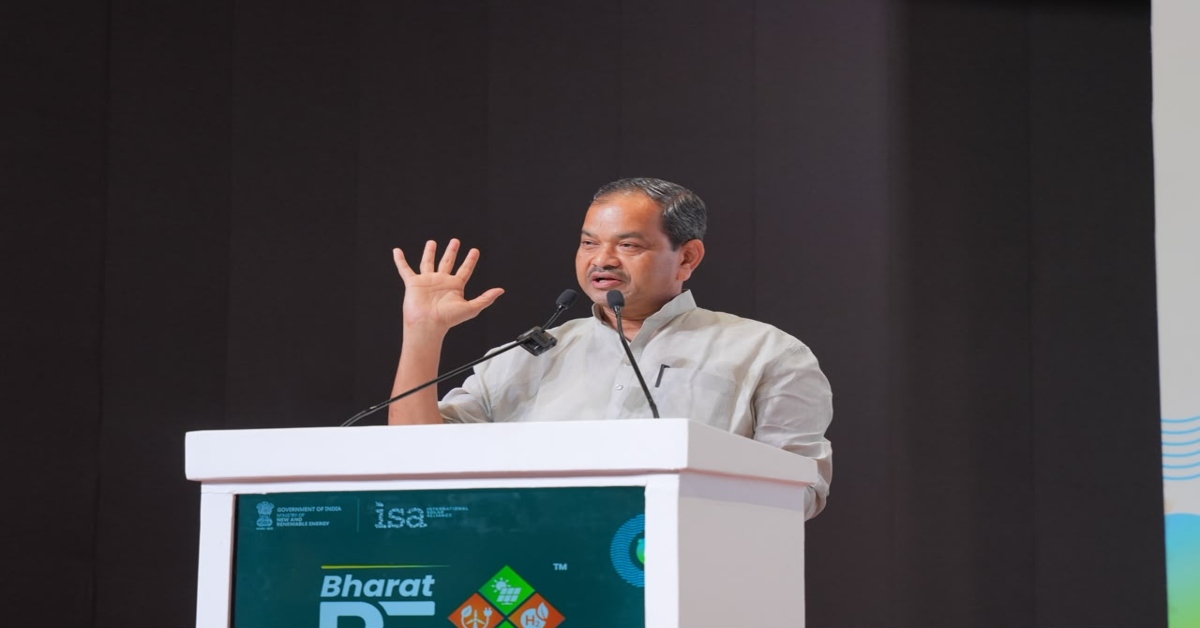
Addressing the Bihar State Plenary Session on investment opportunities in the renewable energy sector at Bharat Mandapam, Energy Minister Shailesh Kumar alias Bulo Mandal invited investors and industry stakeholders to explore opportunities in the state. He assured them of the government’s support and described Bihar as a high-growth, high-return destination for investment.
The presentation covered the state’s expanding electricity demand, ongoing power sector projects, renewable energy policies and opportunities in solar power, energy storage and clean energy manufacturing. Three memorandums of understanding (MoUs) were also signed to promote renewable energy research, technical cooperation and skill development.

Bihar Targets 24 GW Renewable Energy Capacity By 2030
Bihar’s Renewable Energy Policy 2025 sets a target of developing 24 GW of renewable energy capacity and 6 GWh of energy storage by FY 2030.
Presenting the state’s power sector roadmap, Energy Secretary and Bihar State Power Holding Company Limited (BSPHCL) CMD Ajay Yadav said the planned investment across generation, transmission, distribution and infrastructure maintenance stands at approximately Rs 2,57,316 crore.
He also outlined an ongoing project pipeline worth around Rs 78,400 crore, indicating the scale of investment planned to expand and strengthen the state’s electricity infrastructure.
The policy framework is supported by several initiatives, including the Pumped Storage Policy 2025, Green Hydrogen Policy 2026 and Industrial Investment Promotion Package 2025. These measures are intended to encourage private investment and support the development of a broader clean energy ecosystem.
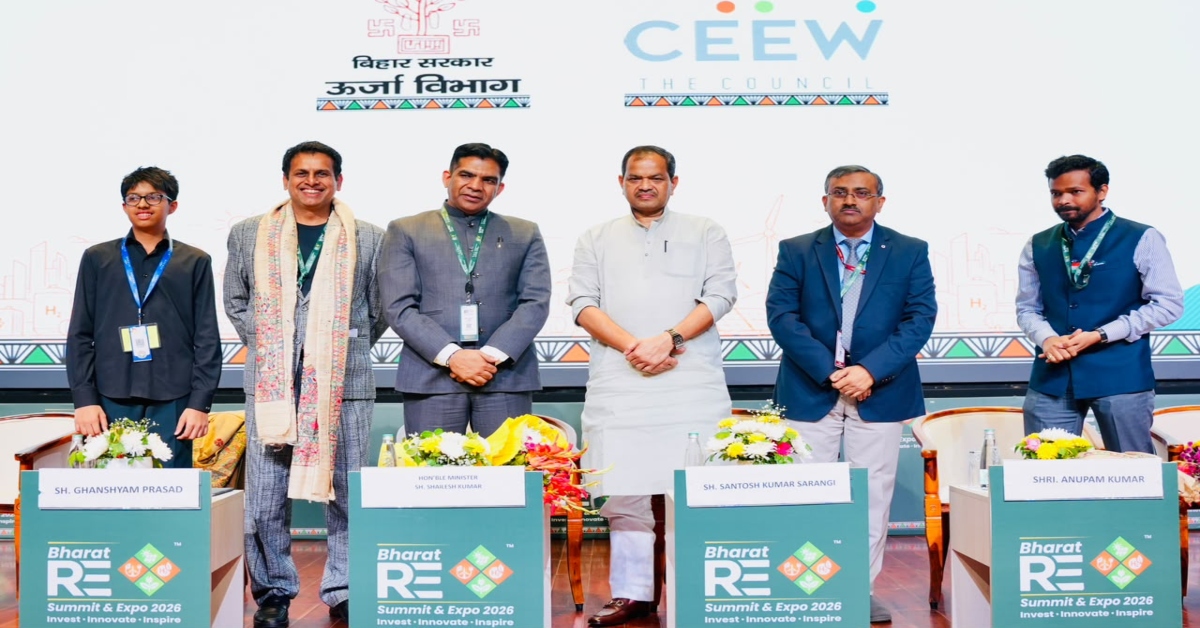
Energy Minister Invites Investors, Highlights Bihar’s Power Sector Growth
Addressing investors at the summit, Shailesh Kumar highlighted the transformation of Bihar’s electricity sector over the past two decades.
He said electricity demand, which stood at approximately 700 MW in 2005, has increased to nearly 9,400 MW. He also referred to the government’s efforts under the Har Ghar Bijli initiative to provide electricity connections to households across the state.
The minister said renewable energy was closely connected with Bihar’s cultural traditions, pointing to Chhath Mahaparva and the longstanding practice of Sun worship.
He highlighted the importance of energy self-reliance and environmental sustainability and referred to initiatives such as the Pradhan Mantri Surya Ghar scheme and PM-KUSUM. Solar energy, floating solar projects and improvements in the power distribution network were also among the areas discussed.
The minister invited companies and investors to visit Bihar, assess its renewable energy potential and participate in the state’s development plans.
Electricity Demand Expected To Reach 25,000 MW
Energy Secretary Ajay Yadav said Bihar’s electricity demand is projected to reach approximately 25,000 MW over the next decade, creating a need for substantial investment in generation and supporting infrastructure.
He highlighted improvements in the financial and operational performance of the state’s power utilities. According to his presentation, both North Bihar and South Bihar distribution companies are profitable, while aggregate technical and commercial (AT&C) losses remain below the national average.
He also referred to the installation of nearly one crore smart meters, improved collection efficiency, cost-reflective tariffs and timely payments to power generators, which he said are generally made within two weeks.
The state government is seeking to use these improvements to strengthen investor confidence and support the expansion of its power infrastructure.
Distributed Solar, Battery Storage And Manufacturing Identified As Key Opportunities
During the panel discussion, Ajay Yadav identified Distributed Renewable Energy (DRE), Battery Energy Storage Systems (BESS) and renewable energy manufacturing as major investment opportunities over the next two to five years.
The state is planning around 5,000 MW of distributed renewable energy capacity over the next two to three years through initiatives such as PM-KUSUM, solarisation of government buildings and rooftop solar installations.
Battery storage and pumped storage projects are also being considered to improve grid stability and support the integration of renewable energy into the electricity network.
Yadav further highlighted a proposed manufacturing policy that would include a procurement preference mechanism. The proposed arrangement is intended to attract private manufacturers and provide greater market assurance for companies investing in the sector.
The panel also discussed opportunities in green hydrogen, energy storage and the development of supporting infrastructure.
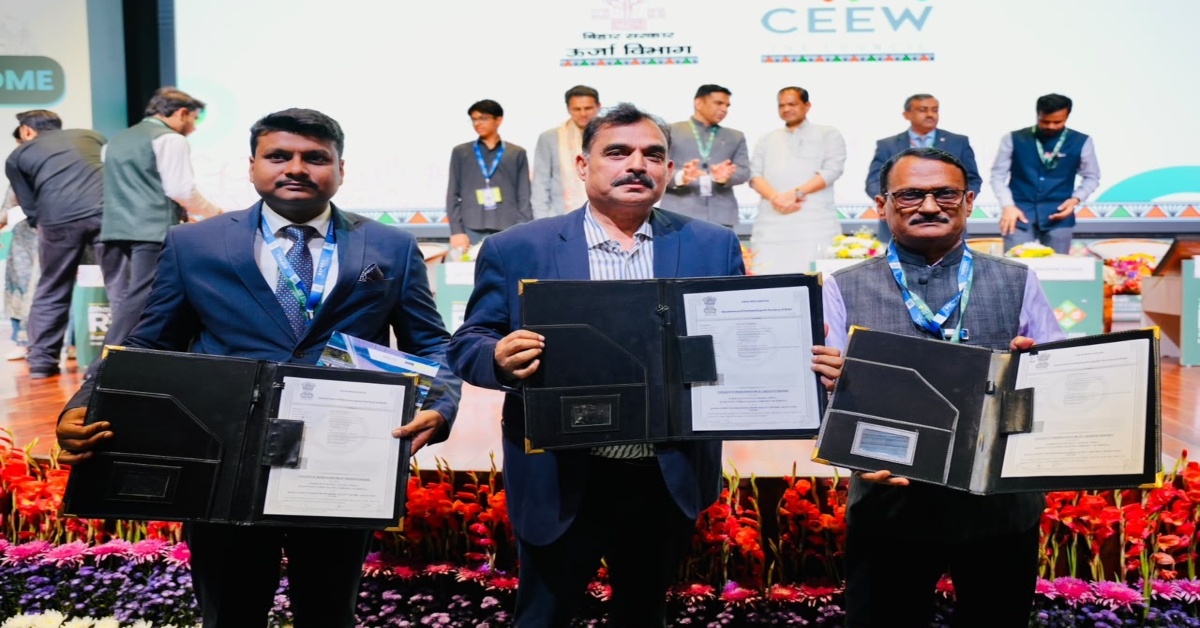
Three MoUs Signed For Research, Technical Cooperation And Skill Development
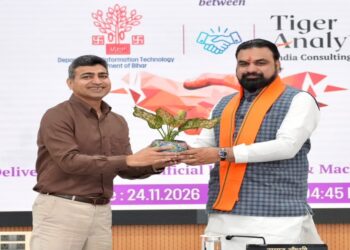
Three agreements were signed during the summit to strengthen Bihar’s power sector capabilities and support the development of renewable energy expertise.
The agreements include:
- Government of Bihar and Centre for Mission on Energy Transition (CMET), MANIT Bhopal: An agreement for cooperation in renewable energy planning and power system management.
- Power Sector Skill Council (PSSC), BSPHCL and Bihar Power Training Management Society (BPTMS), Gaurichak, Patna: A tripartite agreement to strengthen skill development and training for the power sector.
- Bihar State Power Generation Company Limited (BSPGCL) and The Energy and Resources Institute (TERI): An agreement for technical cooperation and research in the power and renewable energy sector.
The agreements are intended to strengthen institutional collaboration, develop technical expertise and support the state’s transition towards cleaner energy sources.
Industry Leaders Discuss Bihar’s Renewable Energy Potential
The plenary session brought together senior government officials, energy sector representatives and industry experts.
Those attending included Santosh Kumar Sarangi, Secretary of the Ministry of New and Renewable Energy; Anupam Kumar, Joint Secretary at the ministry; Ghanshyam Prasad of the Central Electricity Authority; Ajay Yadav, Energy Secretary and CMD of BSPHCL; Vishal Raj, Managing Director of BSPGCL; and Vineet Mittal, Founder and Chairman of Avaada Group.
The panel discussion featured representatives from Adani Green Energy, Tata Power Trading, the Asian Development Bank and the German Biogas Association.
Participants discussed Bihar’s potential in renewable energy generation, energy storage, green hydrogen and manufacturing, along with the need to build a reliable clean energy ecosystem.
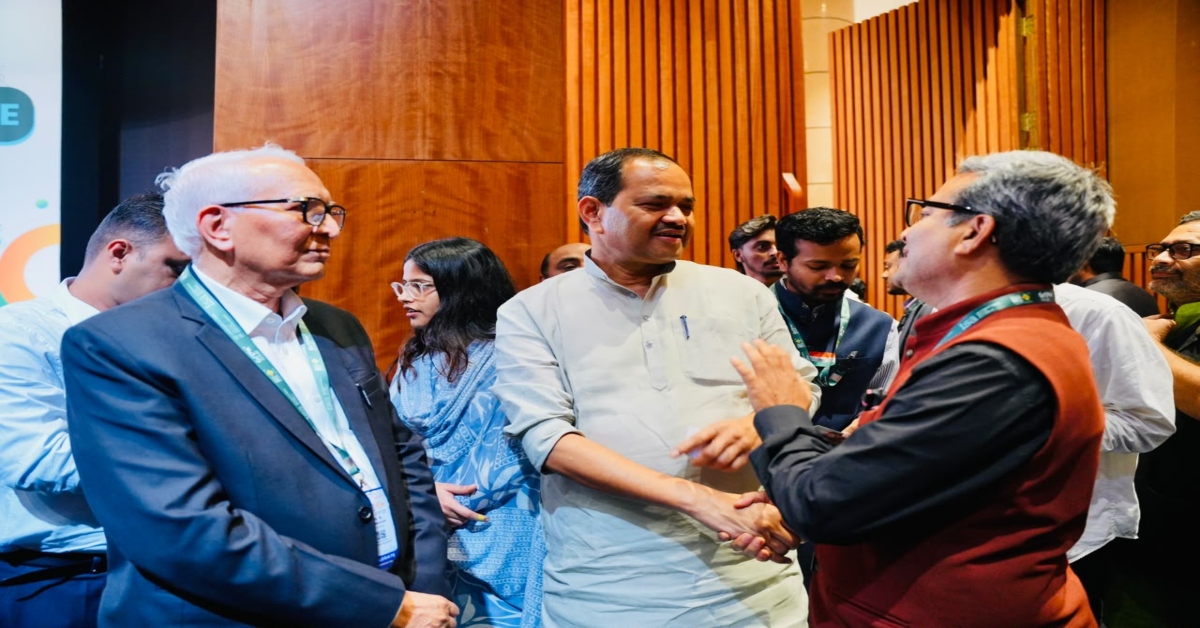
Bihar Seeks To Attract Long-Term Clean Energy Investment
The state’s presentation at the Bharat RE Summit comes as Bihar seeks to expand its electricity infrastructure while increasing the contribution of renewable sources to its energy mix.
The proposed Rs 2.57 lakh crore investment roadmap, 24 GW renewable energy target and planned distributed solar and storage projects outline the scale of the state’s ambitions.
The government is also seeking to strengthen the supporting ecosystem through policy incentives, technical partnerships, research and workforce training.
The extent to which these plans translate into investment and operational capacity will depend on project implementation, investor participation and the timely development of the infrastructure required to support renewable energy generation and distribution.