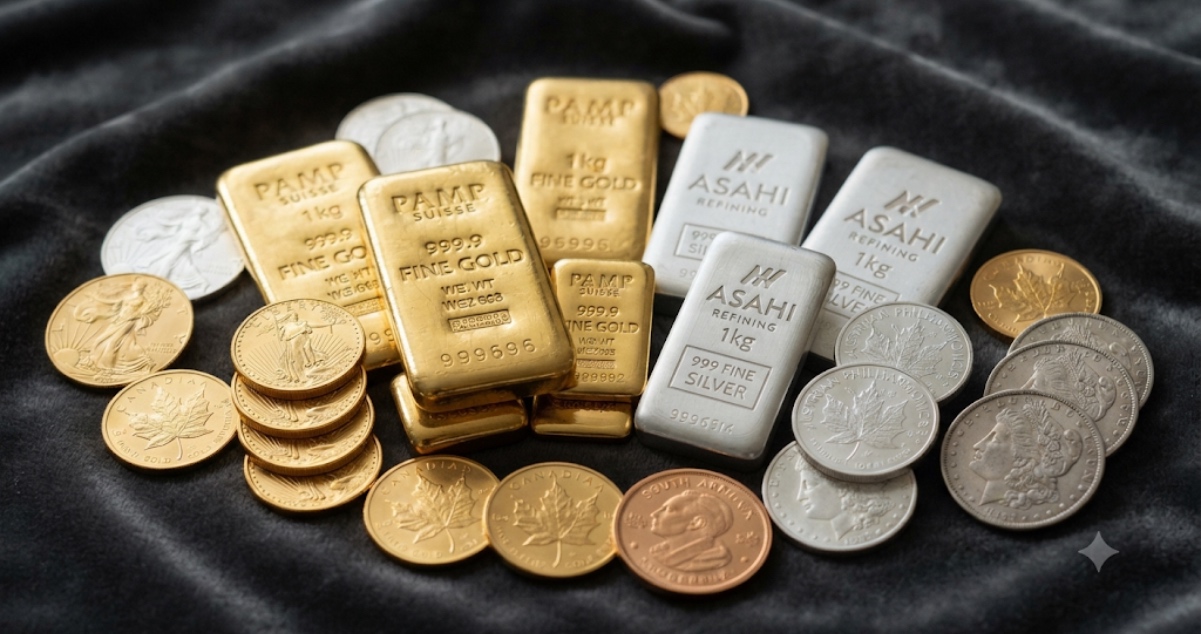
New Delhi/Patna: Gold and silver prices witnessed a sharp decline, bringing significant relief to buyers. Silver became cheaper by Rs 9,103 per kilogram to reach Rs 1.43 lakh, its lowest price in the past 13 months. Meanwhile, the price of 10 grams of 24-carat gold fell by Rs 3,653 to Rs 1.21 lakh.

According to the India Bullion and Jewellers Association (IBJA), gold is now around 32 per cent below its all-time high of Rs 1.76 lakh. Silver has witnessed an even steeper correction, falling nearly 63 per cent from its record high of Rs 3.80 lakh.
The sharp decline in precious metal prices has brought renewed attention to the bullion market, with buyers and investors closely tracking the latest rates.

Why Do Gold and Silver Prices Differ Across Cities?
Gold and silver prices are not always the same across different cities. Several factors influence the final rates offered by local jewellers.
1. Transportation and Security Costs: Moving gold and silver from one city to another involves transportation, fuel and security expenses. These additional costs can influence local prices.
2. Purchase Volumes: Southern India accounts for a significant share of the country’s gold consumption, with jewellers often making purchases in large quantities. However, the benefits of bulk buying may not always translate into substantial discounts for customers.
3. Local Jewellers’ Associations: State and city-level jewellers’ associations determine indicative rates based on local demand and supply conditions.
4. Existing Stock and Purchase Prices: The price at which jewellers purchased their existing stock also affects the rates at which they sell gold and silver to customers.
Expert Advice: Buy Gold and Silver in Instalments
Commodity expert Ajay Kedia recommends purchasing gold and silver in instalments rather than investing the entire amount at once.
According to his advice, buyers can make an initial purchase and invest additional amounts at intervals of 15–20 days. This approach can help spread purchases across different price levels.
For investment purposes, buyers should consider a longer period of six months to one year instead of focusing on short-term price movements.
Two Things to Keep in Mind While Buying Gold
1. Always Buy BIS-Hallmarked Gold
Buyers should purchase certified gold bearing the Bureau of Indian Standards (BIS) hallmark. The hallmark helps establish the purity of the gold. Consumers should check the relevant hallmark identification details before completing a purchase.
2. Cross-Check the Gold Rate
Before purchasing jewellery, verify the gold’s weight and the prevailing market rate. Buyers can compare prices through multiple sources, including the IBJA website.
Gold prices vary according to purity, with separate rates for 24-carat, 22-carat and 18-carat gold. Consumers should also check making charges and applicable taxes before making a final payment.
Four Ways to Identify Real Silver
Buyers can use the following preliminary methods to check the authenticity of silver:
1. Magnet Test: Genuine silver is not attracted to a magnet. If an item strongly sticks to a magnet, it may contain other metals. However, this test alone cannot confirm purity.
2. Ice Test: Silver is a good conductor of heat. Ice placed on genuine silver may melt relatively quickly because of its high thermal conductivity.
3. Smell Test: Pure silver generally does not have a distinct metallic smell. A noticeable smell may indicate the presence of other metals, although this is not a reliable standalone test.
4. Cloth Test: Rubbing silver with a white cloth may leave a black mark due to tarnishing. This can be an indication of silver, but it does not conclusively establish authenticity.
For accurate verification, buyers should seek a professional silver purity test rather than relying entirely on home-based methods.