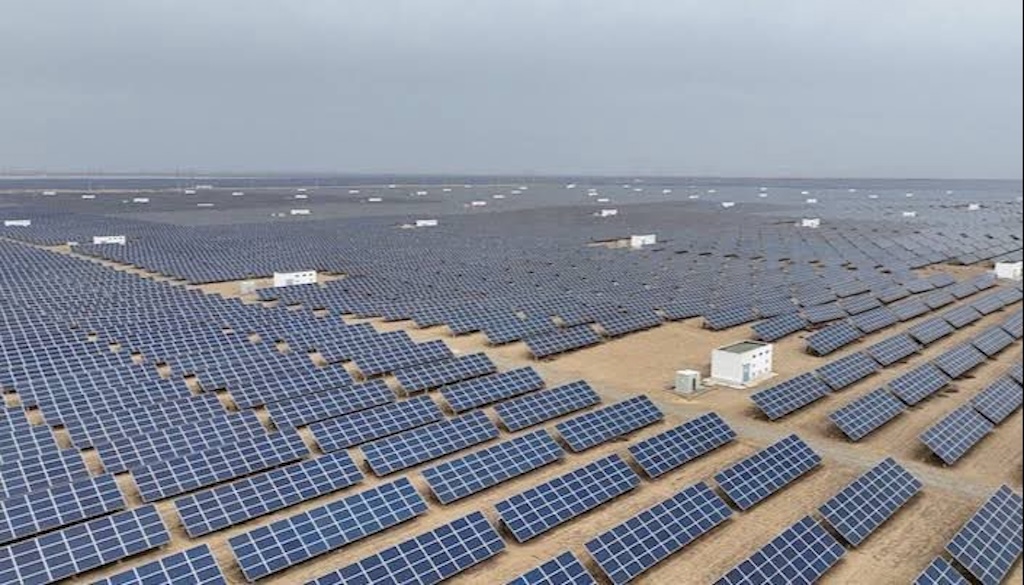
Patna: In a push to make clean energy accessible and affordable, Bihar will open renewable energy centers in every district, aiming to connect households, farms, and small businesses with solar, biogas, and other green technologies while creating local green jobs.

The Bihar Renewable Energy Development Agency (BREDA) will anchor the rollout through newly designated Bihar Akshay Urja Kendras—single-window hubs that combine consumer guidance, product demonstrations, subsidy facilitation, and hands-on installation support. Each center will also run skilling programs to train local youth as installers, technicians, and service providers, building a workforce that can sustain the state’s clean-energy transition.
At the heart of the plan is trust and convenience. For years, adoption of rooftop solar, solar pumps, and biogas in Bihar has lagged because of fragmented information, slow approvals, and unreliable after-sales support. The district centers are designed to close those gaps. Visitors will be able to see working systems, compare offerings from at least two empanelled developers or OEMs, and receive end-to-end assistance—from scheme eligibility and paperwork to commissioning and maintenance.

The government is pairing the physical network with streamlined approvals. A state single-window mechanism will process applications across technologies and sizes, with simple fee slabs calibrated to system capacity. The policy toolkit—ranging from SGST reimbursements to transmission charge waivers—has been aligned under Bihar’s Renewable Energy Policy 2025, which targets a substantial build-out by 2029–30, including nearly 24 GW of clean capacity and 6.1 GWh of storage.
Beyond climate credentials, the initiative speaks directly to daily realities in Bihar. For farmers, solar pumps promise a hedge against diesel costs and erratic supply, while renewable-powered cold storage can curb post-harvest losses. Households stand to benefit from rooftop solar and backup systems that lower bills and keep lights on during outages. Small enterprises—often reliant on costly gensets—can gain resilience and cleaner operations. With local training woven into the program, the centers also aim to seed a new ecosystem of green micro-entrepreneurs across installation, O&M, and sales.
Officials say the next 12 to 18 months will focus on dense coverage and demonstrable impact: a visible presence in every district, recurring fairs and outreach drives, and an emphasis on reliable service so early adopters become ambassadors. BREDA will coordinate with local bodies to map high-demand clusters, integrate chargers for EVs where feasible, and publish district dashboards that track applications, commissions, and uptime—adding transparency to a sector where service quality often makes or breaks momentum.