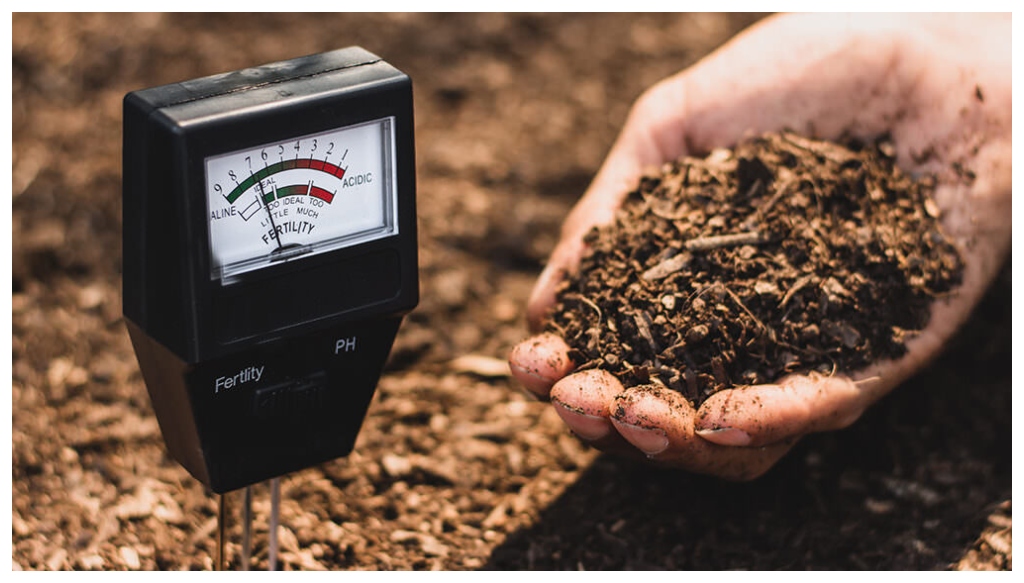
Patna: The Bihar government has announced the opening of 32 new sub-divisional soil testing laboratories in the financial year 2025-26 to help farmers test the quality of their soil more quickly and scientifically. These laboratories will be set up at block agriculture offices across several districts.

According to the Agriculture Department, one laboratory each will be established in Gopalganj, Bhabua, Nawada, Bhojpur, Katihar, Vaishali, Khagaria, Araria, Samastipur, Gaya, West Champaran, Muzaffarpur, Darbhanga, Begusarai, Bhagalpur, Purnia, Munger and Madhepura, while two laboratories each will come up in Rohtas, Supaul, Madhubani, Saran, Patna, East Champaran and Sitamarhi.
Referral Laboratories Notified
Dr. Rajendra Prasad Central Agricultural University (Pusa, Samastipur), Bihar Agricultural University (Bhagalpur), and the Central Soil Testing Laboratory (Patna) have been designated as referral laboratories. Currently, Bihar also has nine mobile soil testing laboratories.

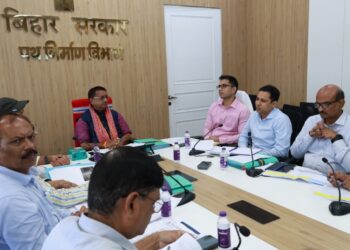
Agriculture Minister Vijay Kumar Sinha informed that so far, 2.26 lakh soil samples have been received, of which 70,971 have been tested. Based on these results, 74,113 soil health cards have already been distributed to farmers. “Through these initiatives, farmers are receiving scientific guidance on soil quality and the judicious use of fertilizers,” Sinha said.
Boost to Fertilizer Quality Testing
At present, Bihar has only one laboratory in Patna to test the quality of bio-fertilizers and organic fertilizers. To expand capacity, the state government will establish three new fertilizer quality control laboratories in Bhagalpur, Saharsa and Muzaffarpur during 2025-26.
Expansion at Village Level
The state currently operates 72 village-level soil testing laboratories in 64 blocks. The government has set a target to establish one such laboratory in every block by 2025-26, which means 470 new laboratories will be opened across the state.
Officials said the expansion of soil testing infrastructure will not only strengthen agricultural productivity but also help farmers improve soil health management and optimize crop yields.