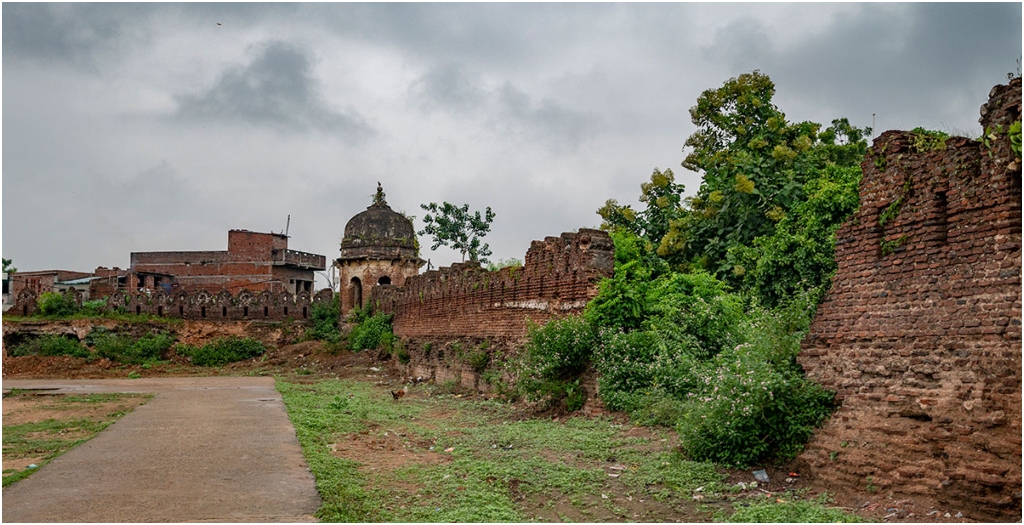
Aurangabad: A historic monument in Bihar is finally getting the attention it deserves. The famous Daud Khan Fort in Daudnagar, located about 35 kilometres from Aurangabad district headquarters, is now going to be developed as a tourist destination. The plan aims to promote tourism, preserve the fort’s heritage, and create self-employment opportunities for local residents. This fort, which dates back several centuries, has a rich and fascinating history linked to the Mughal period.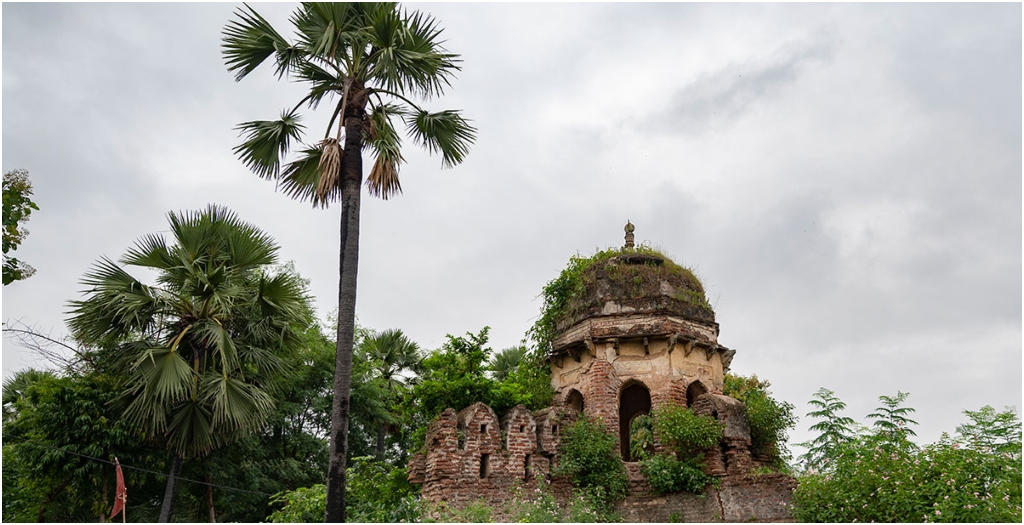

Daud Khan’s Fort is among 19 historical heritage sites in Aurangabad that have been identified by the state government for development. Although the Department of Art, Culture, and Youth has officially listed the fort, its condition has continued to deteriorate over time. The beautification work done in 2009 has mostly been damaged, and the boundary wall around the fort was never completed due to encroachments. Despite repeated orders from the district administration, these encroachments have not yet been removed, which has delayed the restoration work.
Officials from the Tourism Department had sought an updated report from the District Magistrate in August 2022 about the progress of these 19 heritage sites, including Daud Khan’s Fort. However, even after several years, the fort premises have not been cleared, and most of the beautification work remains incomplete. The eastern and northern parts of the fort are still encroached upon, and parts of the earlier developed sections are now damaged. Locals believe that once the fort is restored, it can attract a large number of visitors and bring new business opportunities to the town.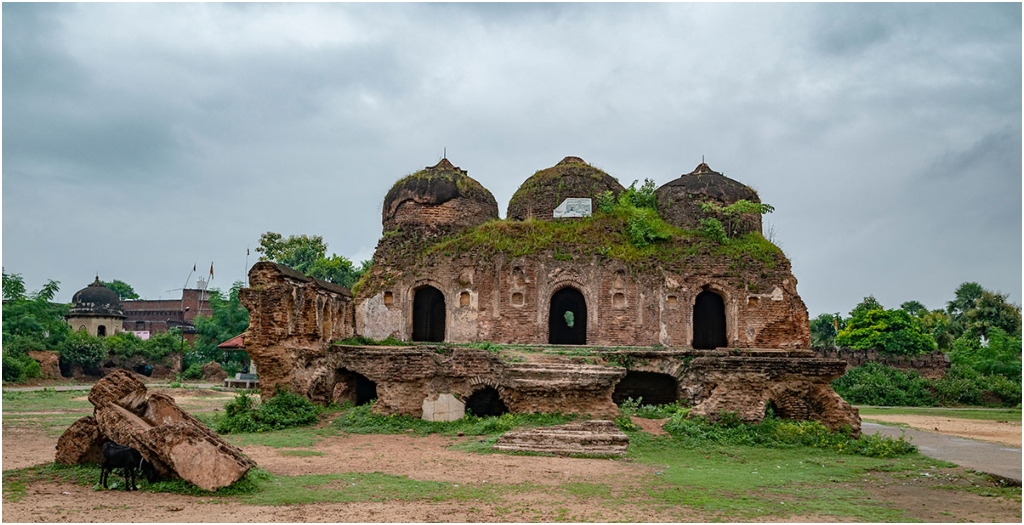

The fort holds an important place in Bihar’s history. According to records, Daud Khan Qureshi was appointed the first governor of Bihar by Mughal emperor Aurangzeb in 1659. On returning from a military campaign in Palamu, Daud Khan decided to build this fort for protection and administration. Construction started in 1663 and was completed in 1673. Before his arrival, the area was known as Silauta Bakhora, but later it was renamed Daudnagar in his honour. Inside the fort, there are remains of several stables, a mosque, and beautiful Mughal-style structures that reflect its past glory.
For now, the fort stands as a reminder of Bihar’s rich past, waiting for restoration and recognition. Authorities believe that once the fort is developed, it will not only boost tourism but also help the people of Daudnagar find new sources of livelihood. If the government’s plan moves ahead smoothly, Daud Khan’s Fort could soon emerge as one of the most attractive historical sites in Bihar