Munger: Bhimbandh Wildlife Sanctuary in Bihar’s Munger district, known for its dense forests and natural hot water springs, is set for a major transformation. The state government has announced plans to develop the area as a world-class eco-tourism destination, aiming to attract visitors from across India and abroad. What was once seen mainly as a local nature retreat is now being positioned as a key part of Bihar’s future tourism identity.

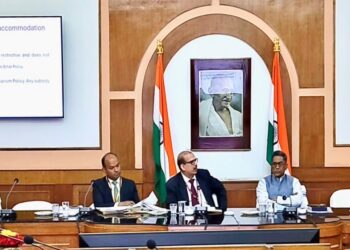
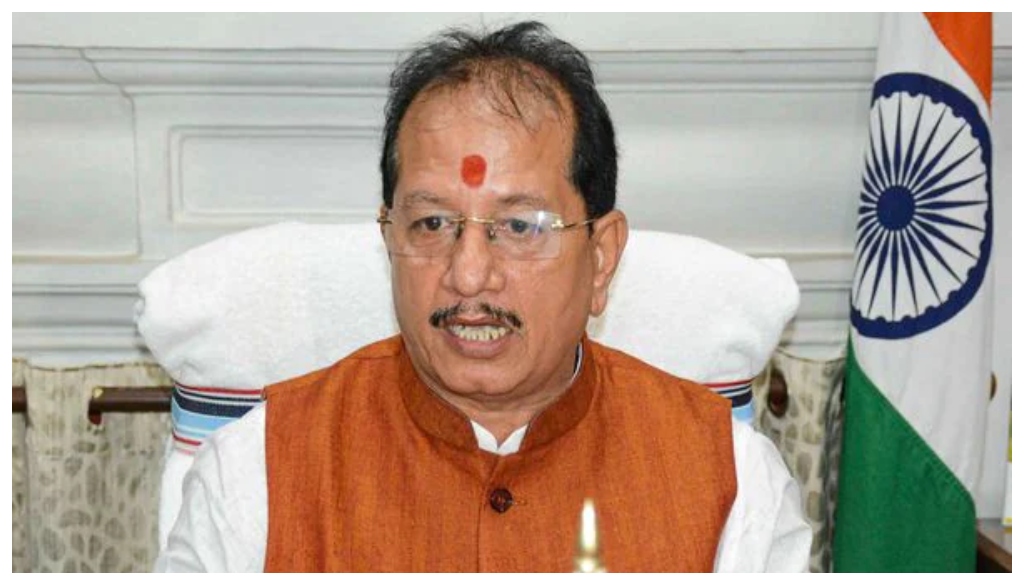
The decision was discussed in a meeting chaired by deputy chief minister Samrat Choudhary with senior officials from the environment, forest and climate change department. Choudhary instructed officials to prepare a detailed project report for the overall development of Bhimbandh. He said the sanctuary’s natural wealth – its forests, biodiversity and hot springs – has the potential to place it on the global tourism map, while also creating employment opportunities for people living in nearby villages.
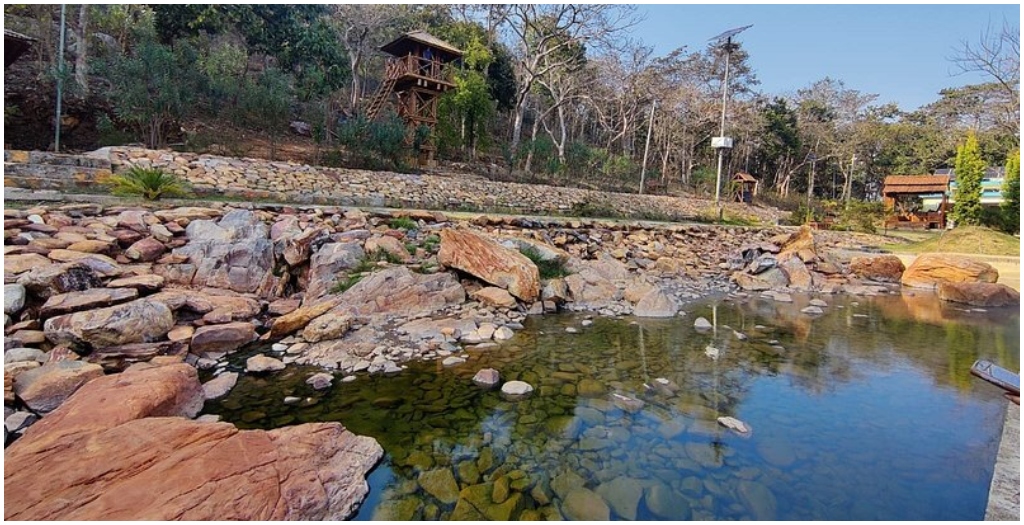
Under the proposed master plan, Bhimbandh will see a mix of nature-based and modern facilities designed to improve the tourist experience. These include a forest experience centre, yoga village, wellness and Ayurveda centre, training and workshop spaces, indoor activity areas, cafeterias and modern restaurants. Eco-friendly accommodation such as tree houses and cottages is also planned, along with hot water lakes, trekking routes, elevated viewpoints, gardens and watchtowers. Officials say the focus will remain on protecting the environment while allowing visitors to enjoy the natural surroundings.

The government also plans to link Bhimbandh with nearby natural and religious sites such as Kharagpur Lake, Bhaurakol Lake, Kukkurjhap Dham and other forest locations to create a complete tourism circuit. This is expected to encourage tourists to spend more time in the region, benefiting local hotels, transport services and small businesses. If developed carefully and scientifically, Bhimbandh could give Munger a new international identity and mark a turning point for eco-tourism in Bihar.