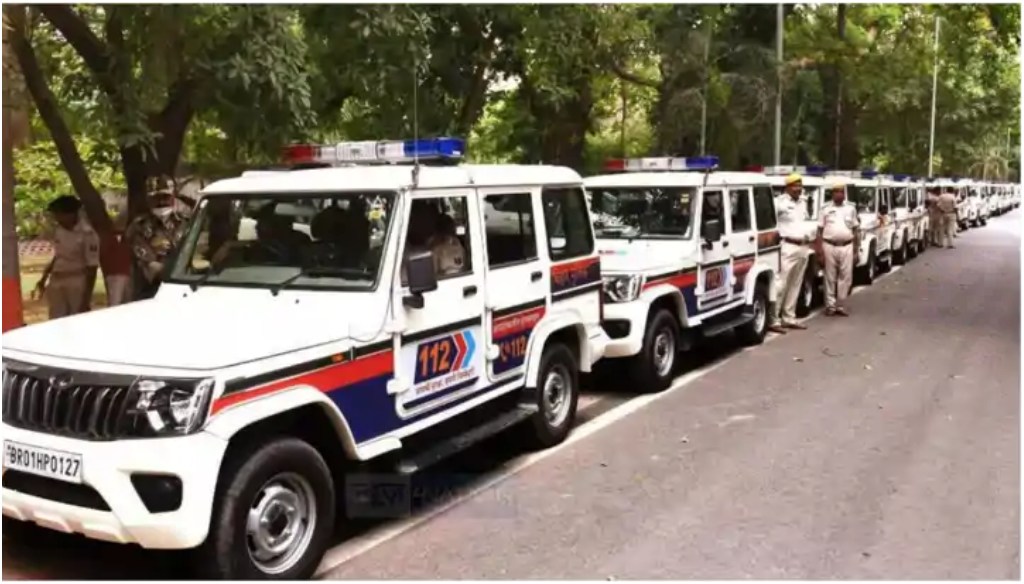
Patna: The Bihar government has approved the replacement of hundreds of ageing police vehicles with a new fleet of cars, motorcycles and specialist transport, in a move aimed at strengthening patrols, emergency response and administrative efficiency across the state.

A total of 657 dilapidated and unserviceable police vehicles have been declared obsolete and will be phased out. In their place, 494 new vehicles will be procured at an estimated cost of Rs 70.53 crore, with the acquisition process scheduled to be completed by July 2026 during the 2025–26 financial year.
According to officials in the police department, the largest component of the new fleet will comprise 147 four-wheelers to meet the operational needs of police stations. In addition, 157 motorcycles will be purchased to enhance rapid movement, routine patrolling and response times, particularly in congested urban areas and rural stretches.

The replacement plan also covers a range of specialised vehicles that have reached the end of their service life. These include 15 ambulances, 51 troop carriers, 48 buses, 10 Vajra riot-control vehicles, 34 prisoner transport vans and five water cannon vehicles.
Senior officers will also receive new official vehicles as part of the overhaul. The government has approved the purchase of six vehicles costing Rs 20 lakh each for officers of deputy inspector general (DIG) rank, and 21 vehicles priced at Rs 16 lakh each for superintendents of police (SPs).
Alongside the fleet upgrade, the state has cleared a proposal to strengthen technological and monitoring capabilities at police headquarters. The establishment of a Special Task Force (STF) linked to a centralised monitoring system has been approved at a cost of Rs 11.01 crore. A detailed project report worth around Rs 10 crore has been prepared by BELTRON, the state’s technology services agency.
More than Rs 1 crore will also be spent on procuring C-DOT application software as part of the initiative. Officials said the combined measures were intended to modernise policing infrastructure, improve coordination and make the force more responsive and technologically equipped to meet contemporary challenges.