Patna: Bihar is set to accelerate its shift towards electric mobility, with the state government unveiling plans for a new electric vehicle (EV) policy that promises increased subsidies and a wider network of charging stations.

Under the proposed policy, buyers of electric vehicles will receive roughly 1.5 times more financial support than under the existing scheme, a move aimed at encouraging adoption and reducing reliance on petrol and diesel. The plan is expected to be presented to the state cabinet in the coming weeks.
“The new policy will integrate existing schemes into a comprehensive framework to promote environmentally friendly transport across Bihar,” a spokesperson for the Transport Department said. “By offering higher subsidies and expanding infrastructure, we hope to make EVs more accessible to the public.”

Boosting EV Ownership and Charging Infrastructure
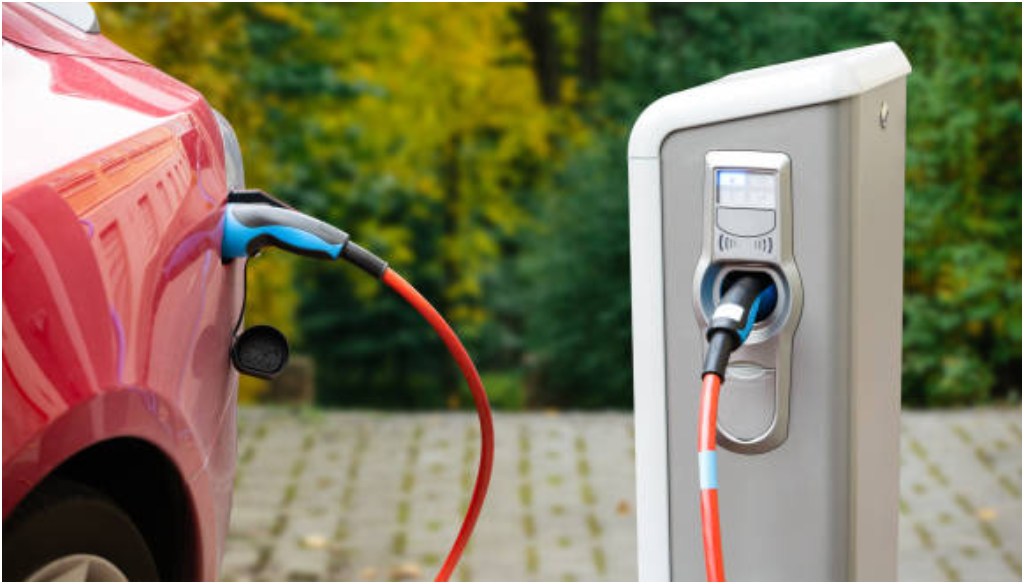
The policy aims to channel subsidies directly to vehicle purchasers, in a bid to stimulate demand. Simultaneously, the government plans to strengthen the state’s EV charging network, ensuring that new stations keep pace with the growing number of electric vehicles.
Currently, under the Prime Minister E-Bus Service Scheme, charging stations are operational in cities including Patna, Gaya, Muzaffarpur, Darbhanga, Purnea, and Bhagalpur. The new policy proposes extending the network to smaller towns and rural areas under the Block Transport Scheme and other initiatives.
Private Sector Participation Encouraged
The government is also encouraging private investment in EV infrastructure. Residential buildings, cooperative housing societies, and market complexes with at least five parking spaces will be eligible to install charging stations, with incentives provided by the state. Non-residential buildings will also be included, ensuring greater access for commuters in commercial areas.
Towards a Greener Bihar
The proposed EV policy marks a significant step in Bihar’s environmental agenda, combining higher subsidies with an expanded charging network. Officials hope the measures will increase public confidence in electric vehicles, reduce pollution, and gradually transition the state away from fossil fuel dependence.