Patna: When Bihar set out to position itself as a major ethanol producer in 2021, the promise was sweeping: new industries, jobs for thousands, and better prices for farmers. Backed by the Centre’s push for biofuels and the state’s own incentive-heavy policy, investors moved quickly. Four years on, that optimism has dimmed, as a change in procurement rules has left many ethanol plants operating at half capacity — or shutting down altogether.

This explainer looks at how Bihar’s ethanol sector took off, what has changed, and why the fallout is proving so severe.
Why Bihar bet big on ethanol

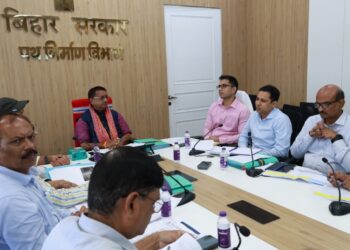
In February 2021, Chief Minister Nitish Kumar convened a high-level meeting to signal Bihar’s intent to attract ethanol investment. The move aligned with the Union government’s National Biofuel Policy (2018), which sought to cut fossil fuel imports and promote cleaner alternatives.
Ethanol-blended petrol was rolled out nationwide from 2019, and states were encouraged to build capacity. Bihar responded with its own ethanol promotion policy in 2021, offering investors a rare mix of incentives:
- 100% exemption from stamp duty and registration fees
- Full waiver of land conversion charges
- An interest subsidy of 10% on term loans for five years
- A first-come, first-served approval mechanism to speed up clearances
The message to industry was clear: Bihar was open for business.
The scale of the expansion
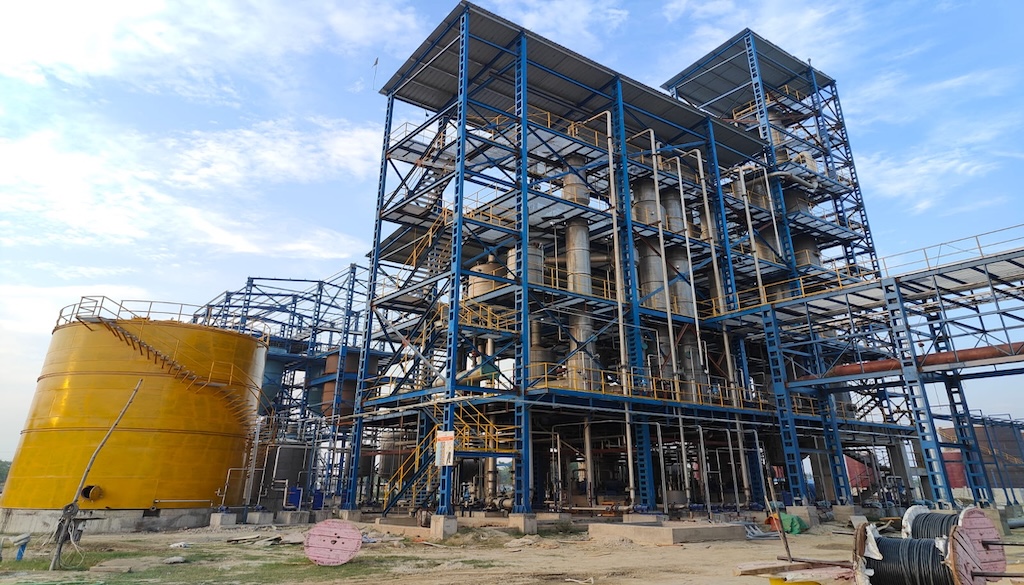
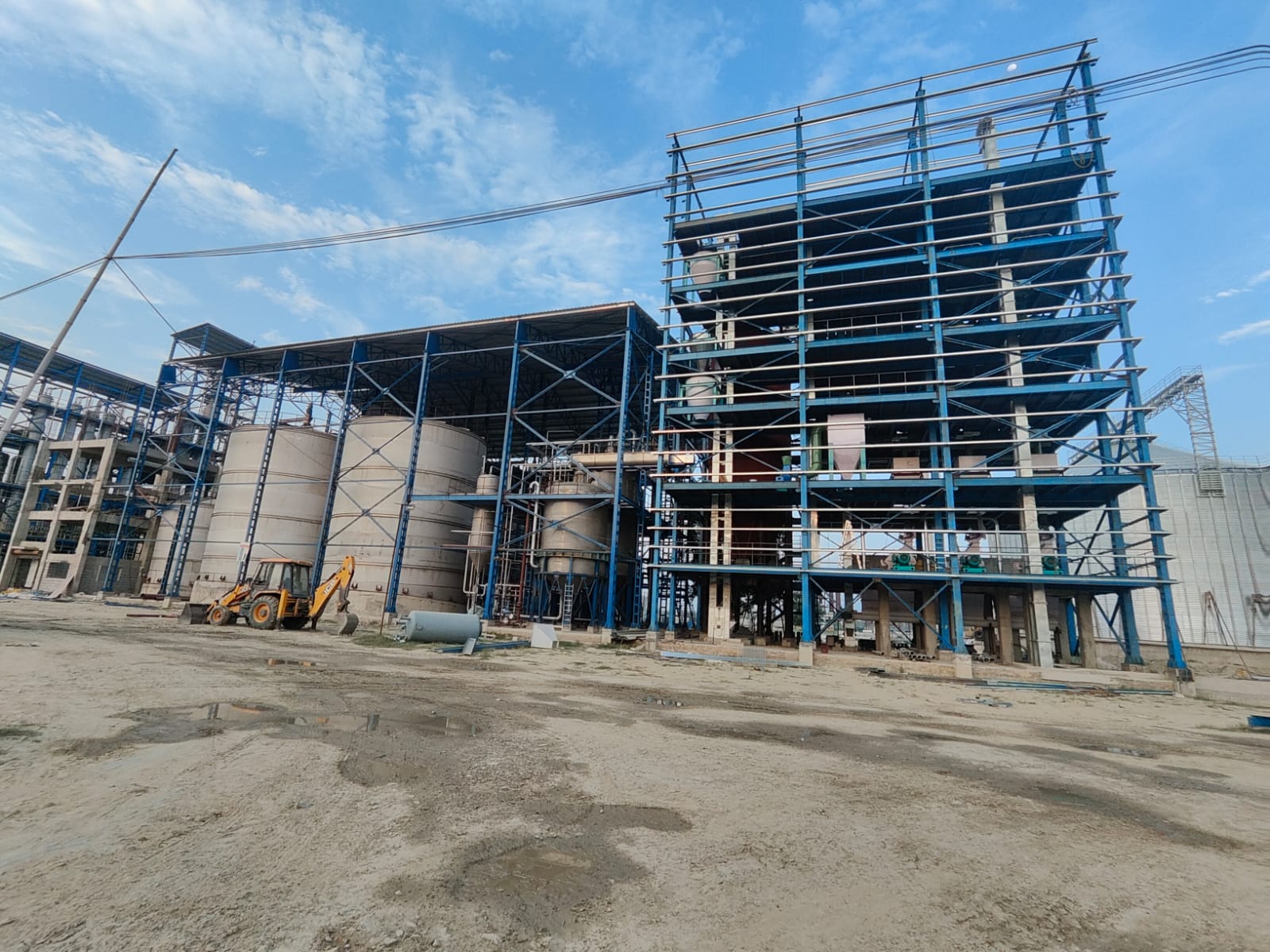
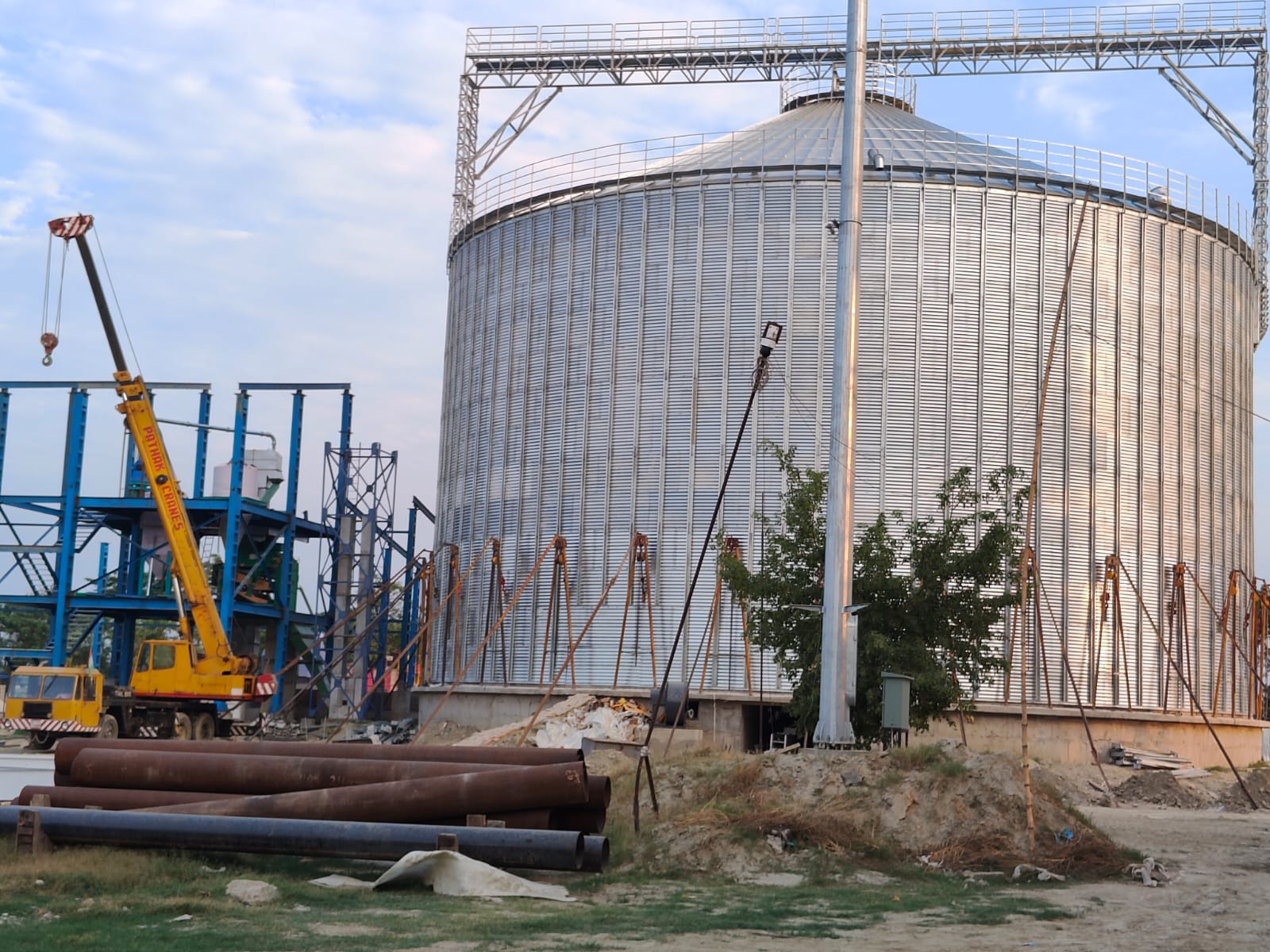
The response was swift. Over the next few years, 22 ethanol factories were set up across Bihar. Of these, 14 were dedicated grain-based (or “green”) ethanol plants using corn and other crops, while eight sugar mills were permitted to produce ethanol from molasses.
Collectively, these plants signed agreements with oil marketing companies (OMCs), under which the OMCs committed to buying 100% of their output, based on installed capacity. For investors, this guaranteed offtake was crucial: ethanol has no large private retail market, and production is viable only if buyers are assured.
By 2024–25, Bihar had emerged as India’s sixth-largest ethanol-producing state.
What changed — and when
Until October 2025, the system appeared to work as promised. OMCs lifted the entire monthly output from Bihar’s ethanol plants. For example, Bharat Plus Ethanol’s plant in Buxar, with an annual capacity of nearly five crore litres, supplied its full contracted quantity month after month.
Then, from November 1, 2025, producers were informed that OMCs would purchase only 50% of their contracted volumes.
Industry executives say the decision came without warning. The reduction, they allege, effectively redirected procurement towards sugar-mill-based ethanol units elsewhere, leaving grain-based plants — including those in Bihar — with unsold stock and mounting losses.
Why the impact is so severe in Bihar
The cutback has hit Bihar harder than many other states for several reasons:
- No alternative market: Ethanol plants depend almost entirely on OMC purchases. With no large private buyers, unsold ethanol simply sits in storage.
- High fixed costs: Plants were financed on the assumption of full-capacity operations. Running at 50% output makes it difficult to service loans or pay workers.
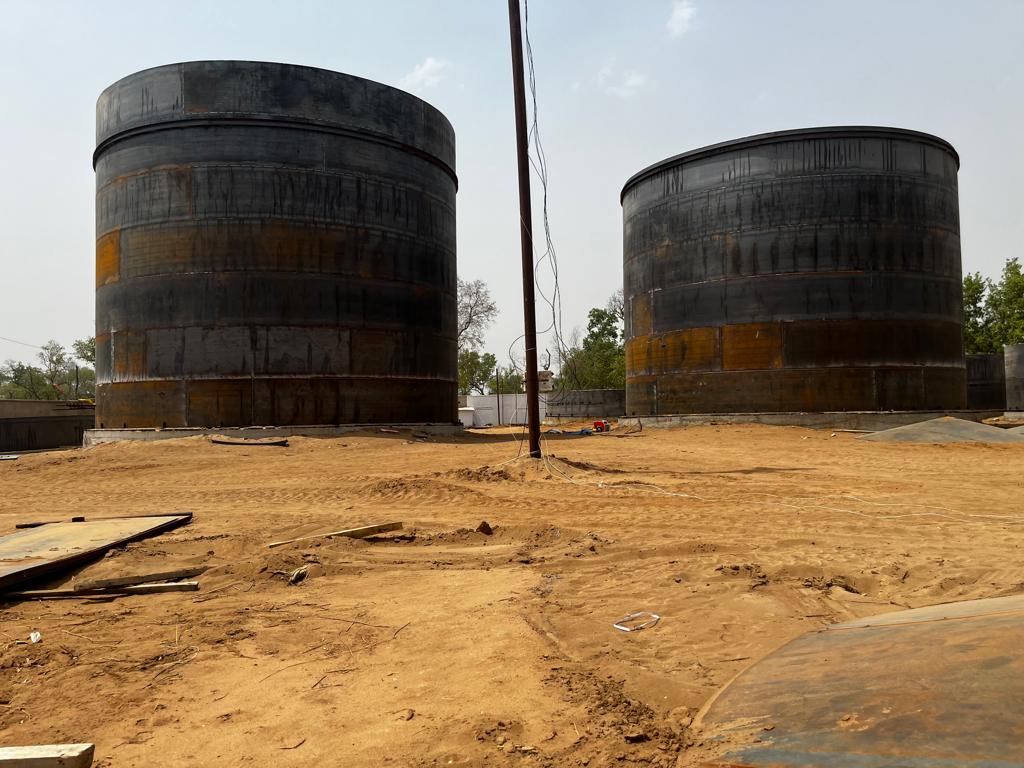
- Storage limits: Once tanks are full, production must stop — forcing plants to operate for barely half the month.
According to industry estimates, OMCs had initially agreed to buy around 88 crore litres of ethanol annually from Bihar. That figure has now been cut to roughly 44 crore litres.
Since the change, at least four ethanol plants in the state have shut down, while others operate only 10–15 days a month.
The knock-on effects on workers and farmers
The consequences extend beyond factory gates. Grain-based ethanol plants rely heavily on local farmers for corn and other feedstock. Reduced production means lower demand — and falling incomes — for those farmers.
Plant managers report monthly losses running into crores of rupees, alongside job insecurity for hundreds of workers. Some units are operating for just six months a year, shutting down for the rest.
“This isn’t just an industrial problem,” said one plant manager. “It’s affecting farm incomes and rural employment at the same time.”
Calls for intervention — and what the state says
Industry bodies have urged the Bihar government to take up the issue with the Centre, arguing that policy reversals undermine investor confidence. They point out that Bihar, with fewer industries than many states, cannot easily absorb such shocks.
State officials acknowledge the pressure. Industry minister Dilip Jaiswal has said the government is seeking relief, including a proposal to raise the national ethanol blending target beyond 20%, which could increase overall demand and ease the squeeze on producers.
Talks with the Centre are ongoing, but for now, uncertainty hangs over a sector that was once held up as a model of Bihar’s industrial revival.
The bigger question
Bihar’s ethanol story highlights a broader challenge in India’s green transition: how to balance ambitious targets with predictable, stable policy. For investors who poured hundreds of crores into ethanol plants on the strength of long-term procurement assurances, the sudden change has been a costly reminder that policy risk remains real.
Whether the sector regains momentum — or contracts further — will depend on what happens next in Delhi.