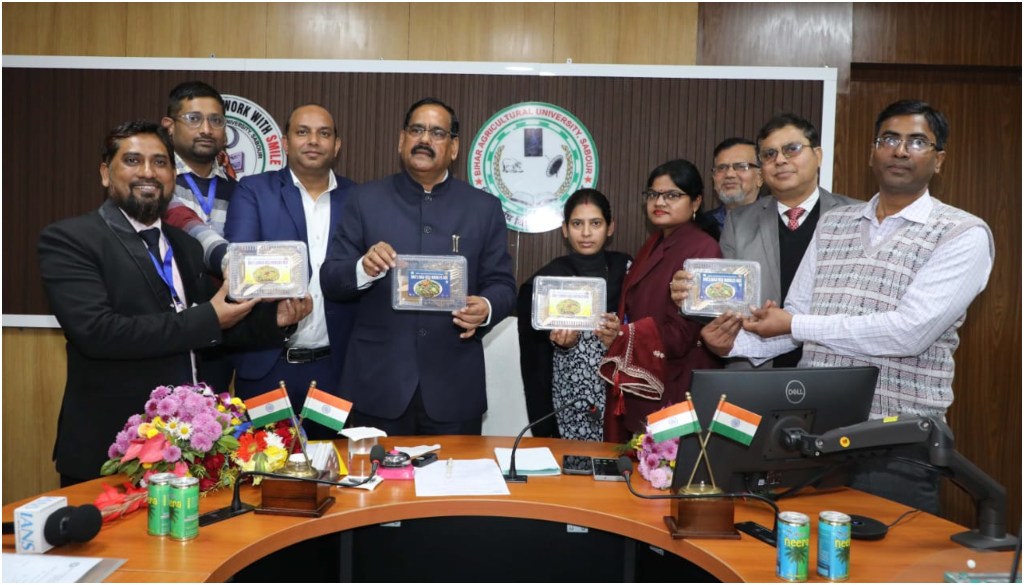
Bhagalpur: Bihar Agricultural University (BAU), Sabour, has launched a new millet-based noodle product designed to offer a healthier alternative to conventional instant noodles, as part of its efforts to promote nutrition security and value-added farm produce.

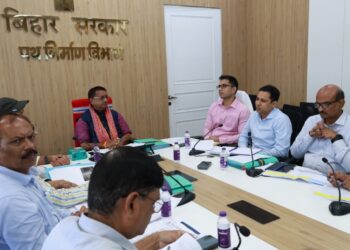
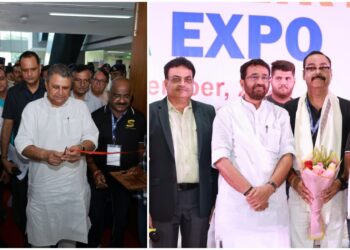
The product, branded as the BAU Millet Noodles Box, has been developed by scientists from the university’s Department of Food Science and Postharvest Technology. It was formally introduced under the leadership of the university’s vice-chancellor, Dr D R Singh, at an event attended by senior faculty members and representatives from local media.
Alongside the noodles, the university also unveiled the Nutri Millet Veggie Tiffin Box, a ready-to-cook meal kit intended for children, students and working professionals. The box contains millet noodles, a separately packed mix of dehydrated vegetables, a seasoning sachet and disposable cutlery, positioning it as a convenient and balanced meal option.

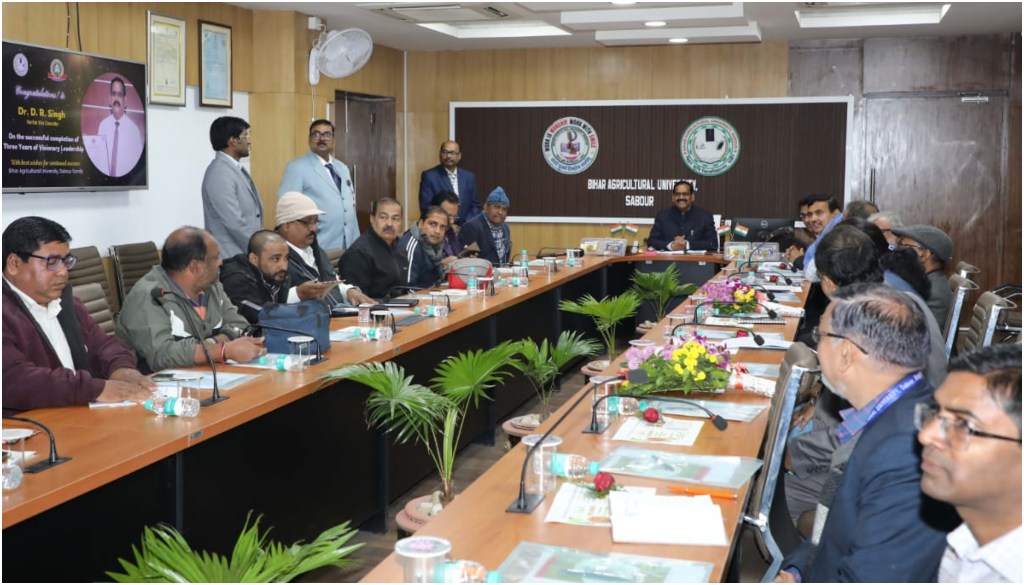
A sensory evaluation panel comprising the dean, directors and other officials assessed the product during the launch. Panel members praised its taste, colour, texture and aroma, and recommended that the millet noodle box be introduced in schools and made widely available to the public.
According to the developers, the noodles contain 60% millets blended with wheat flour and are produced without added starch. Nutritional details shared by the university indicate that the product contains about 11% protein, 77% carbohydrates and 9% dietary fibre, with zero cholesterol. The vegetable mix accounts for around 10% of the product, while 5% mushroom powder has been added to enhance protein and micronutrient content. The noodles are baked rather than fried and use steamed dehydrated or roasted spices for flavour.
Scientists involved in the project said the product was developed in response to concerns that most noodles available in the market are highly processed and low in nutritional value. They stressed that the BAU millet noodles are free from preservatives, additives, emulsifiers, stabilisers and artificial colours, making them easier to digest and nutritionally superior.
Addressing the gathering, Singh said millet-based foods could play a significant role in improving nutritional security, particularly for children and people with diabetes. He also highlighted the need for the development of eco-friendly packaging and cutlery to complement such food innovations.
The vice-chancellor congratulated the development team led by Dr Wasim Siddiqui, head of the Department of Food Science and Postharvest Technology, along with scientists Anit Kumar, Kumar Sandeep, Kanchan Kumari, Prem Prakash, M A Aftab and Shamsher Ahmad. The project was supported by the Food Development Center at BAU Sabour.