Patna: Nearly a decade after Bihar imposed a complete ban on alcohol, the policy appears to exist largely on paper. From urban centres to remote villages, alcohol is reportedly available with a single phone call. Foreign liquor is delivered to homes, while locally brewed mahua liquor is openly sold in neighbourhood lanes, residents say.

The gap between official claims and ground reality is stark. While the excise department and local police continue to conduct raids, they have failed to dismantle large smuggling networks or locate major storage hubs. Critics argue that enforcement efforts remain focused on small-scale offenders rather than organised syndicates.
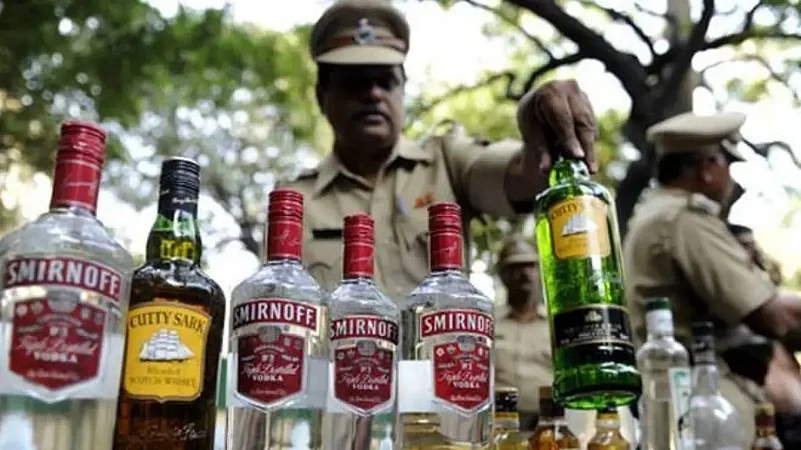
According to excise department figures, between December 1, 2024 and December 31, 2025, authorities seized 73,260 litres of alcohol. This included more than 7,300 litres of foreign liquor and nearly 66,000 litres of locally brewed mahua liquor. During the same period, officials reported the arrest of 751 alleged smugglers and 1,347 people for consuming alcohol.

The department also claims to have seized 100 vehicles used in smuggling, including cars, auto-rickshaws and motorcycles. Raids using drones and sniffer dogs were carried out in forests, hilly regions and riverine areas, where officials say over 1.6 million kilograms of mahua mixture was confiscated and hundreds of illegal distillation units destroyed.
Despite these numbers, residents insist that alcohol remains easy to obtain. They allege that secret warehouses operate across the district and that deliveries are made by bike or other vehicles after phone orders. Many believe such large-scale operations cannot continue without official collusion.
The excise superintendent, Vibha Kumari, said the department is conducting regular raids and achieving success in curbing illegal liquor. However, for many on the ground, Bihar’s prohibition remains visible mainly in statistics, press releases and official statements, rather than in everyday life.