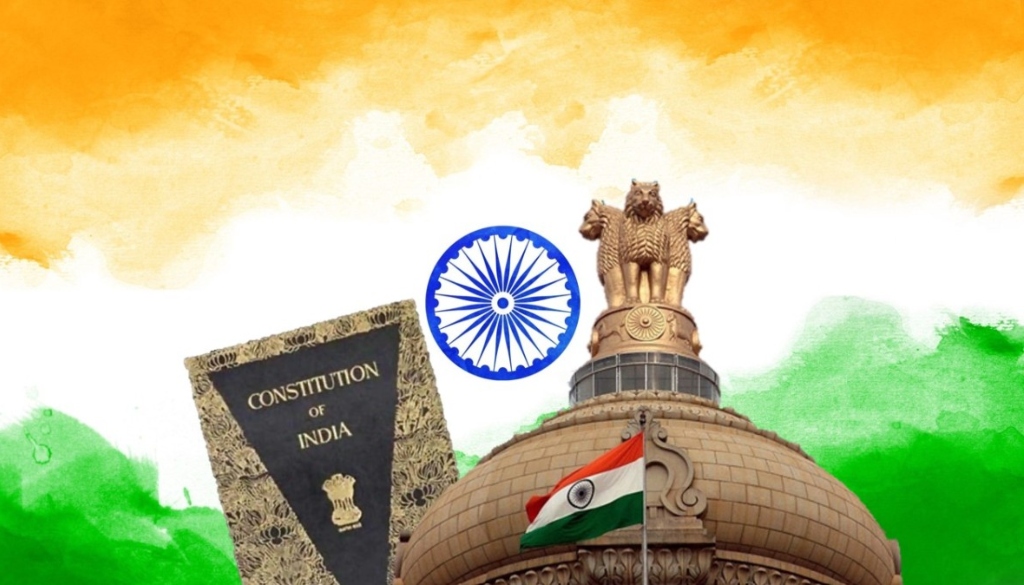
Patna: When India became independent on August 15, 1947, freedom arrived without a Constitution. That task fell to the Constituent Assembly, a 299-member body formed soon after, with the Drafting Committee chaired by Dr B R Ambedkar. Among its members were 36 representatives from Bihar, whose collective contribution, historians say, helped shape the Constitution as a living social document rather than a narrow legal code.

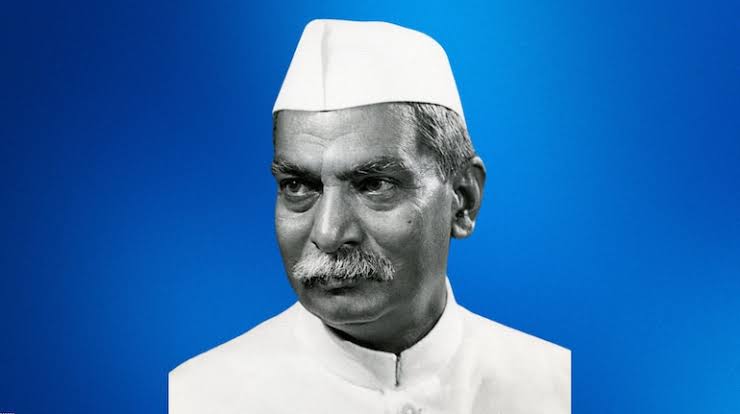
According to Dr Guru Rahman, a history teacher at Patna University, Bihar’s members left a deep imprint on debates around social justice, federal balance and minority rights. “Their interventions ensured that the Constitution spoke not only to power but also to people,” he said. Figures such as Dr Sachchidanand Sinha, the first provisional president of the Constituent Assembly, and Dr Rajendra Prasad, who later became its president and India’s first head of state, provided leadership that helped bridge ideological divides.

Several representatives brought the concerns of marginalised communities into the heart of constitution-making. Chandrika Ram and Jagjivan Ram consistently argued for Dalit rights and constitutional safeguards for workers, while Boniface Lakra and Jaipal Singh Munda pressed for recognition of tribal autonomy, culture and identity. K T Shah, though unsuccessful in his demand to include the words “secular”, “federal” and “socialist” at the time, widened the ideological scope of debate — ideas that would later find their way into the Constitution through amendments.
Others focused on governance, administration and economic life. Anugrah Narayan Singh, often described as the architect of modern Bihar, stressed strong state institutions as the foundation of democracy. Banarasi Prasad Jhunjhunwala and Brajeshwar Prasad raised issues of trade, industry and parliamentary practice, while Krishna Ballabh Sahay linked land reforms and transparency to constitutional values. Educational and institutional development found advocates in figures such as Kameshwar Singh and Mahesh Prasad Sinha.
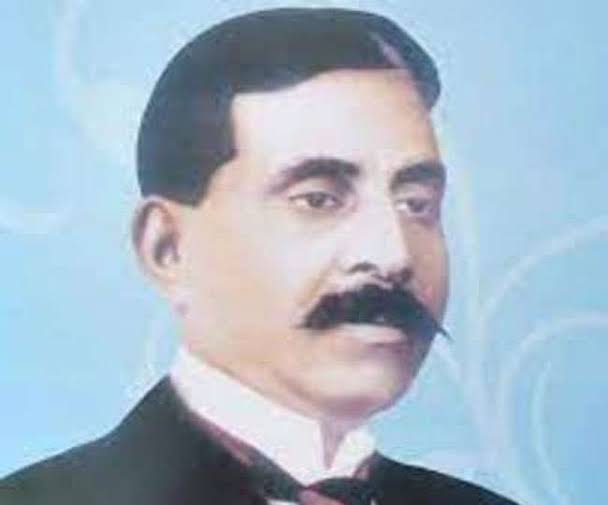
Bihar’s Muslim representatives, including Hussain Imam, Latifur Rahman and Syed Jafar Imam, emphasised minority rights, judicial independence and communal harmony, often opposing the politics of religious division. Others, such as Jadubans Sahay and Raghunandan Prasad, were remembered for their logical, rights-based arguments that reinforced equality and dignity as core constitutional principles.
“Bihar’s 36 representatives helped shape the Constitution not merely as a legal document but as a social contract,” Dr Rahman said. “Remembering them reminds us that Indian democracy is the outcome of many voices, struggles and compromises.” As the country marks Republic Day, their legacy underscores how regional contributions helped forge a national vision grounded in pluralism and justice.