Patna: The Bihar government has launched a major initiative to preserve and digitise the state’s vast and fragile manuscript heritage, with senior officials directing a comprehensive survey of collections held in institutions and private repositories across Bihar.

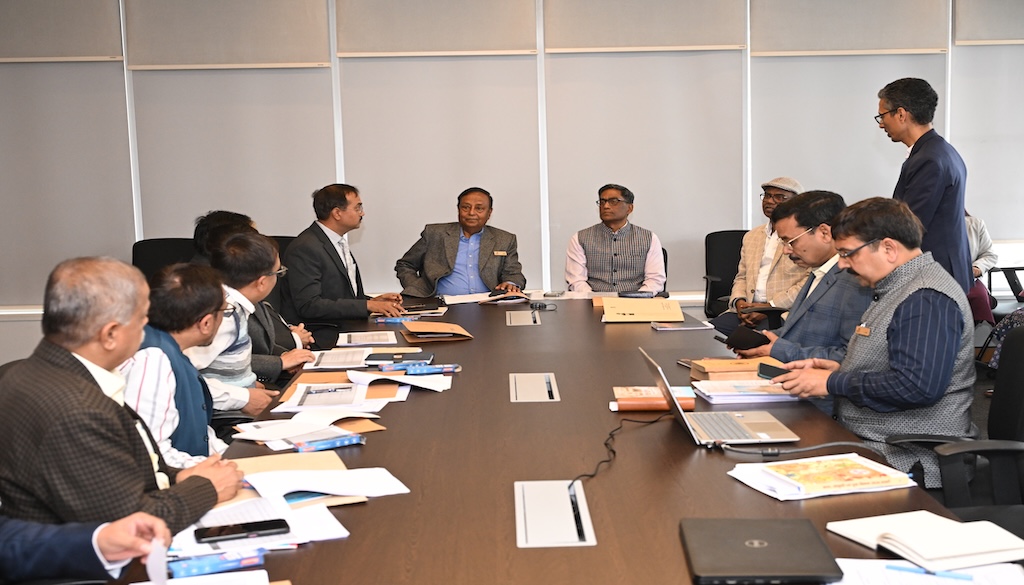
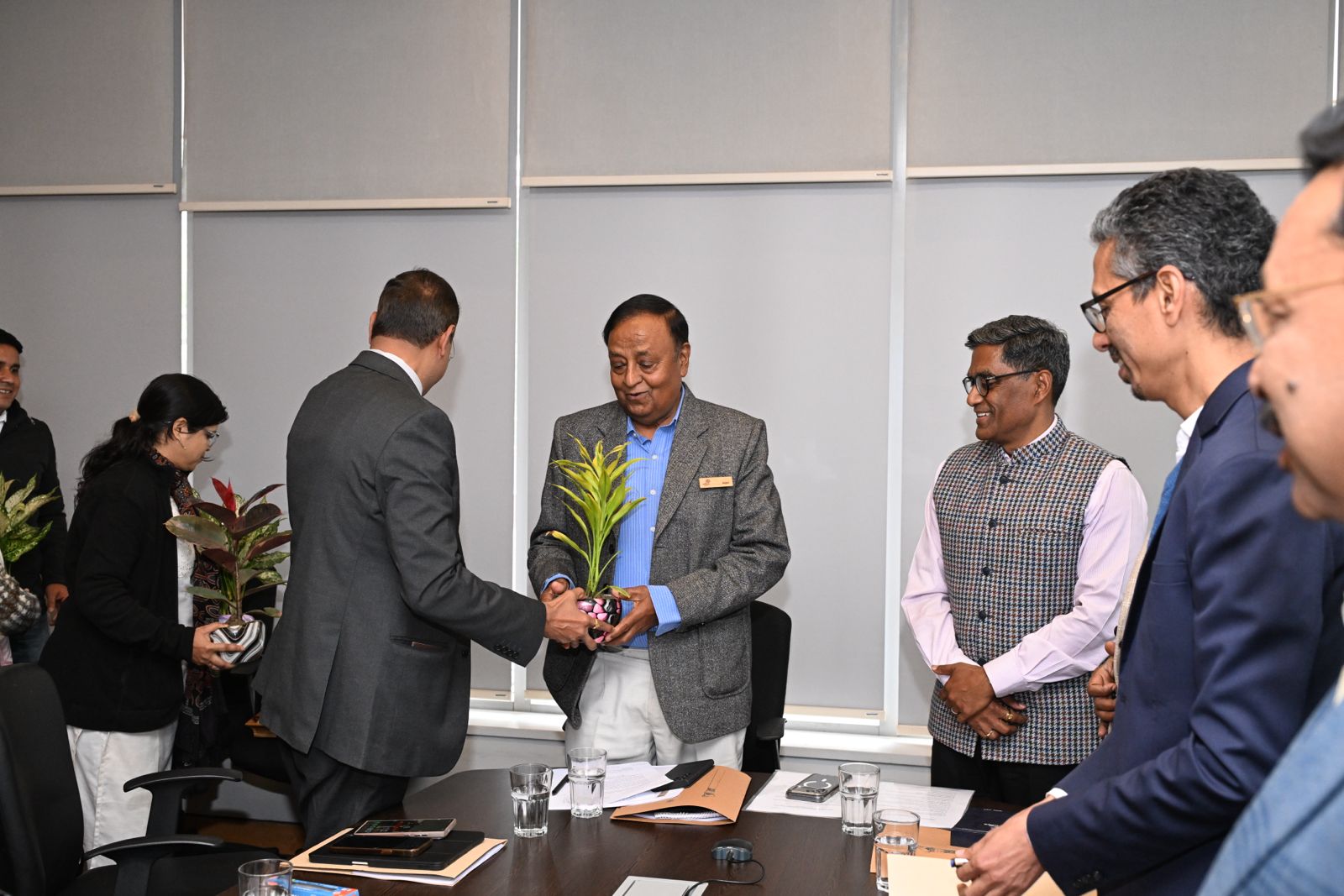
The decision was taken at a high-level meeting held at the Bihar Museum in Patna, jointly chaired by the chief secretary, Pratyaya Amrit, and the museum’s director general (DG), Anjani Kumar Singh. The initiative is being implemented under Gyan Bharatam, a national campaign of the Ministry of Culture aimed at safeguarding India’s manuscript legacy.
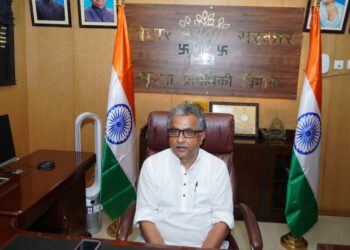
During the meeting, the secretary of the art, culture and youth department, Pranav Kumar, made a detailed presentation outlining the scope of the project. The chief secretary directed the department to prepare a time-bound and concrete action plan, designating the art, culture and youth department as the nodal authority and the director of the Bihar Museum as the nodal officer for implementation.

Officials said the Bihar government has signed a memorandum of understanding with the Ministry of Culture to formally participate in the Gyan Bharatam campaign. Under the plan, technical teams will be formed in every district to identify, document and catalogue manuscripts held in monasteries, temples, private libraries and other institutional collections.
Chief Secretary Pratyaya Amrit stressed that the exercise must be undertaken in “mission mode” and begin immediately. He said the work would be reviewed every 14 days by the Bihar Museum director and on a monthly basis by the art and culture department. He also highlighted the importance of record rooms in older districts, noting that many historically significant manuscripts were likely to be stored there in vulnerable conditions.
The chief secretary said the state aimed to complete visible and meaningful progress before Bihar Diwas 2026, adding that individuals and institutions contributing significantly to manuscript preservation would be honoured on the occasion. He also announced that Bihar’s digital manuscript archive would be linked with the National Digital Repository to enable wider scholarly access.
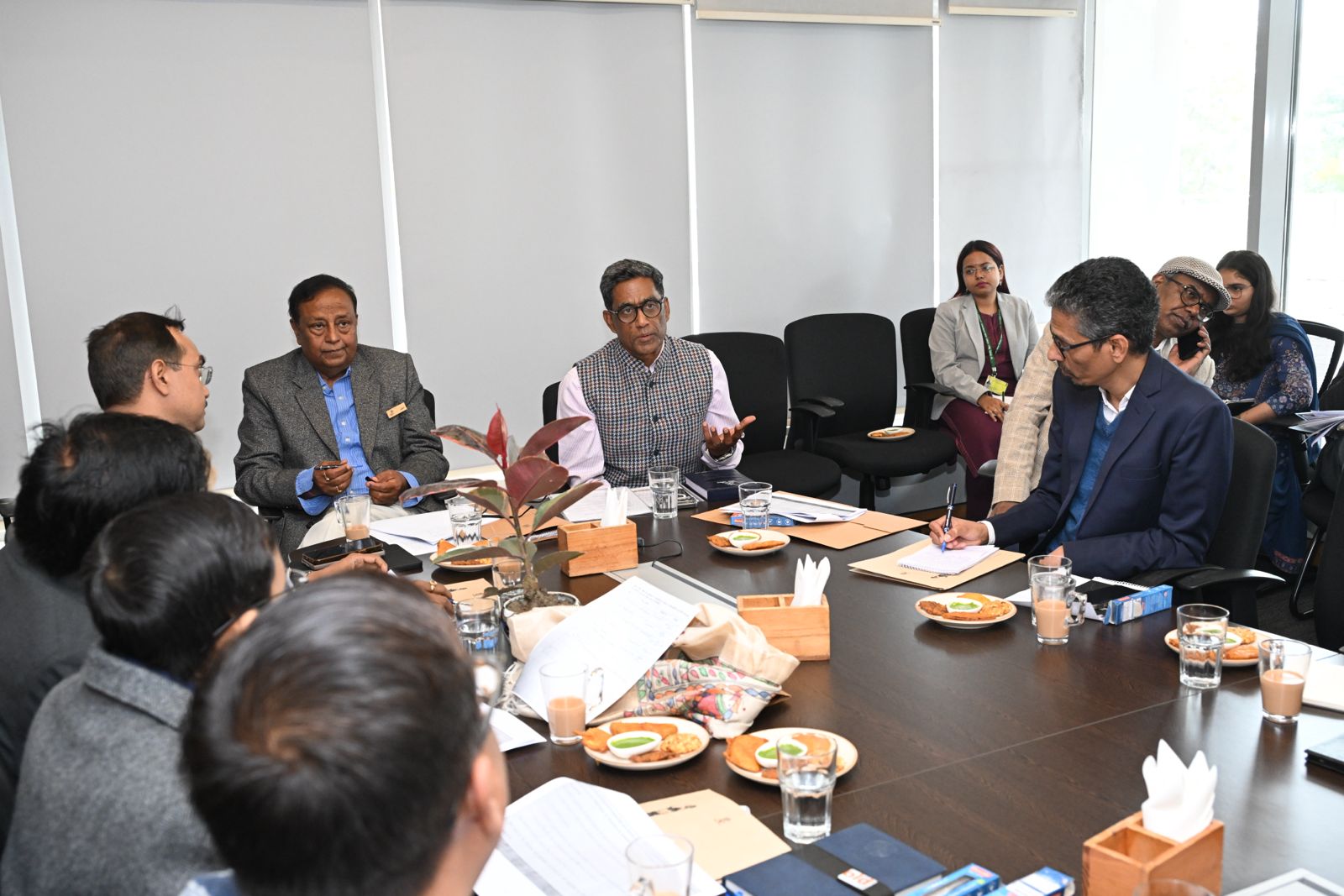
Bihar Museum’s DG Anjani Kumar Singh outlined the technical challenges involved in manuscript conservation and suggested setting up specialised laboratories for scientific preservation. He said such facilities were already operational at the Patna Museum and the Bihar Museum, and proposed the creation of a dedicated expert team to scale up the work statewide.
The meeting brought together scholars, archivists and heritage professionals, including representatives from Khuda Bakhsh Oriental Public Library, the Directorate of Museums and Archaeology, Nava Nalanda Mahavihara and the Bihar Heritage Development Society . Participants offered suggestions on documentation standards, conservation techniques and long-term access strategies.
Officials said the initiative marked one of the most coordinated efforts so far to protect Bihar’s manuscript wealth, much of which is considered crucial to understanding India’s intellectual, religious and cultural history.