
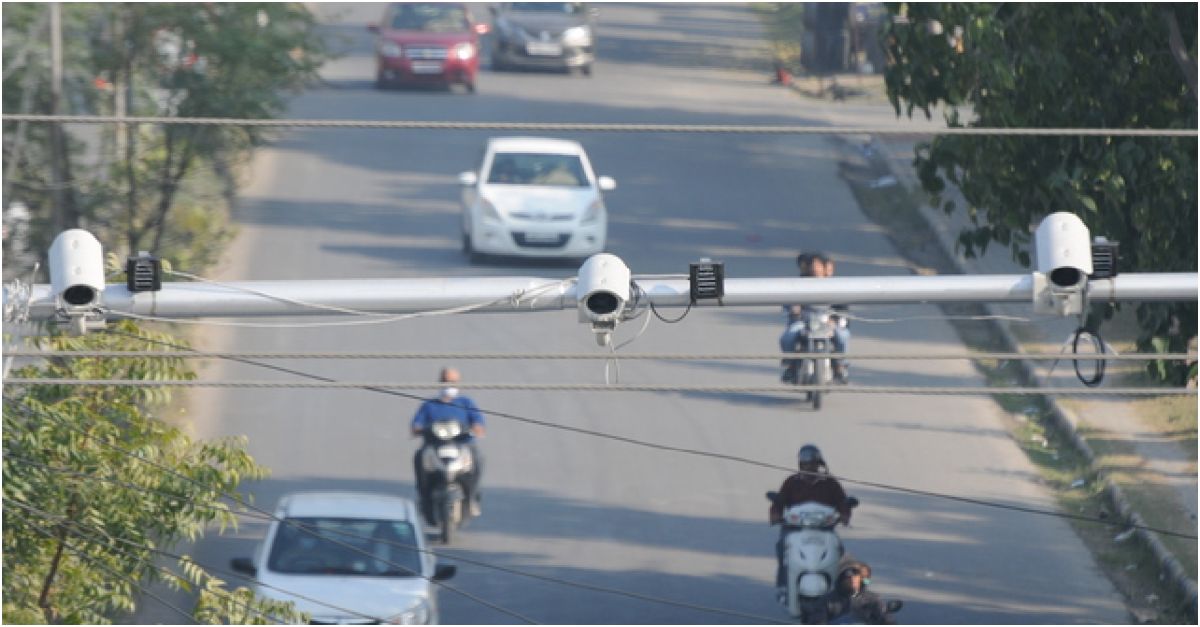
Patna: The Bihar government is preparing to introduce an Intelligent Traffic Management System (ITMS) that will use artificial intelligence and facial recognition technology to monitor roads, issue fines and assist in policing.

Officials said the proposed system will be deployed across national and state highways, major cities and toll plazas, marking a significant upgrade in the state’s traffic enforcement infrastructure. Cameras equipped with AI capabilities will be able to automatically detect violations such as overspeeding, jumping red lights and failure to wear helmets or seatbelts.
The system is also expected to go beyond traffic enforcement. By incorporating facial recognition features, authorities aim to track repeat offenders and assist law enforcement agencies in identifying individuals linked to criminal activities.

Around 500 to 700 locations have been identified for the installation of the system. A central traffic management centre will be set up at the state level, supported by district-level viewing centres to monitor real-time data and oversee operations.
The project is estimated to cost Rs 300 crore. The state’s transport department has invited bids from agencies to implement the system, with applications open until April 24. The selected agency will be responsible for installing the infrastructure and maintaining it over the next decade.
Officials said the system will include an incident detection feature that can immediately alert control rooms to accidents or emergencies, enabling faster response times. It will also integrate GST e-way bill verification to monitor the movement of goods and check illegal transportation.
An adaptive traffic control mechanism is also planned, allowing signal timings to be adjusted in real time based on traffic flow. Authorities believe this could reduce congestion and waiting times at busy intersections.
The government expects that automated enforcement and increased surveillance will encourage compliance with traffic rules, though the use of facial recognition technology may raise questions around privacy and data protection.