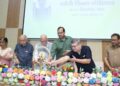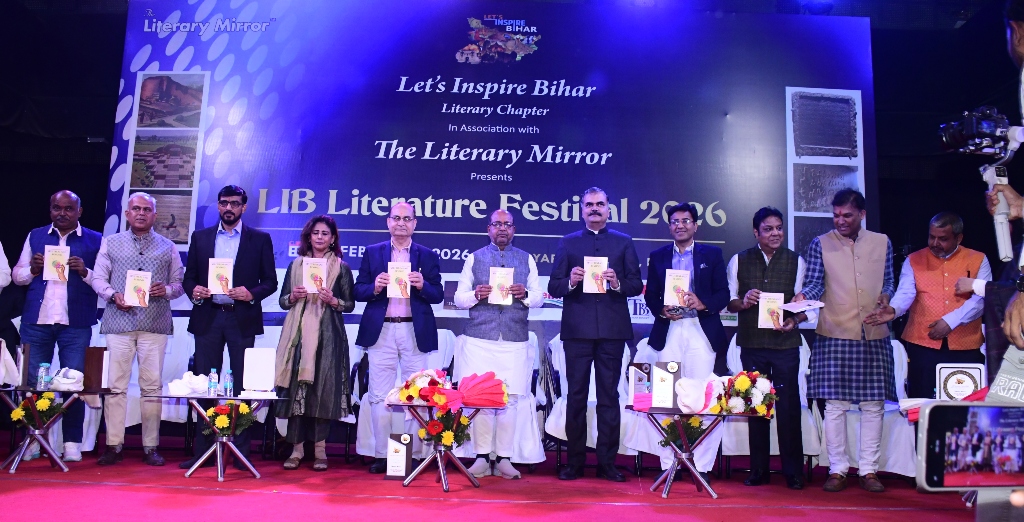
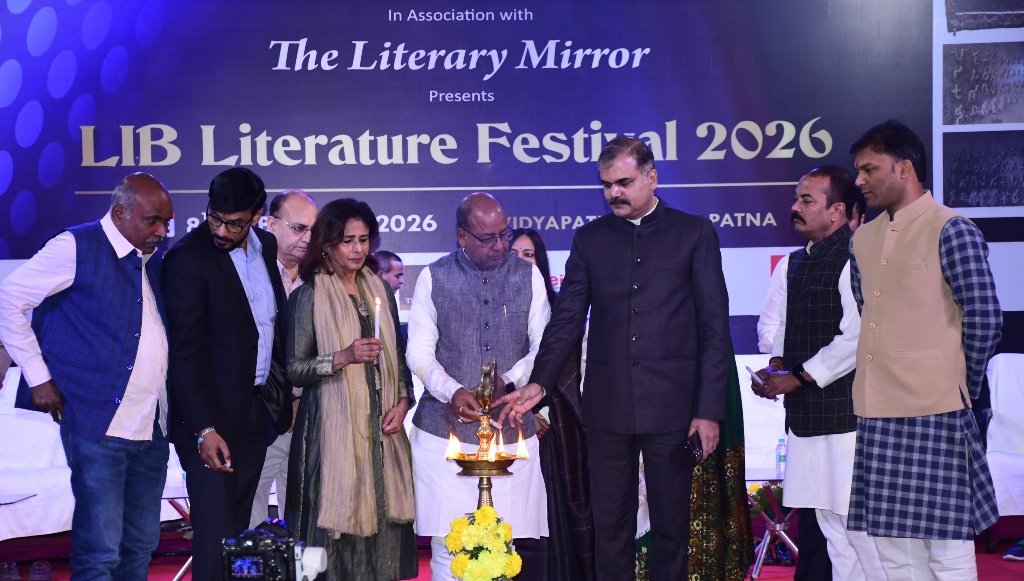
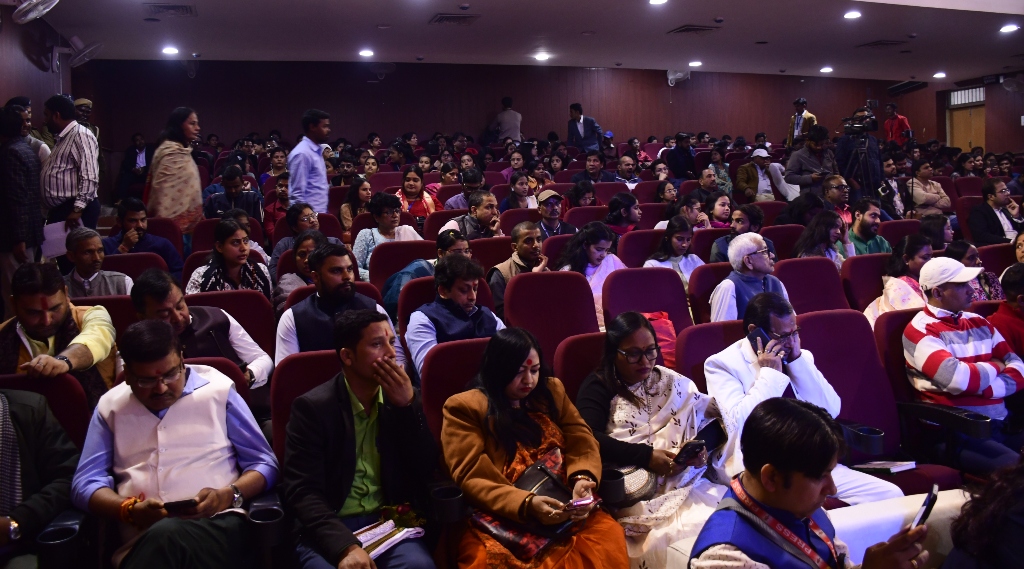
Patna: A new literary platform aimed at reconnecting Bihar with its intellectual and cultural legacy opened in the state capital on Saturday, as writers, scholars, administrators and students assembled for the first LIB Literature Festival at Vidyapati Bhawan. Organised by the social initiative Let’s Inspire Bihar (LIB) in partnership with The Literary Mirror, the day-long event sought to frame literature not merely as art, but as a tool for social awareness, dialogue and reform.

 Through panel discussions, poetry recitals, book launches and performances, the festival attempted to bridge Bihar’s historic literary traditions with present-day challenges such as unemployment, migration and social division. The organisers described the gathering as part of a wider effort to create an “ethical and cultural foundation” for development, arguing that economic growth must be accompanied by critical thinking and creative expression.
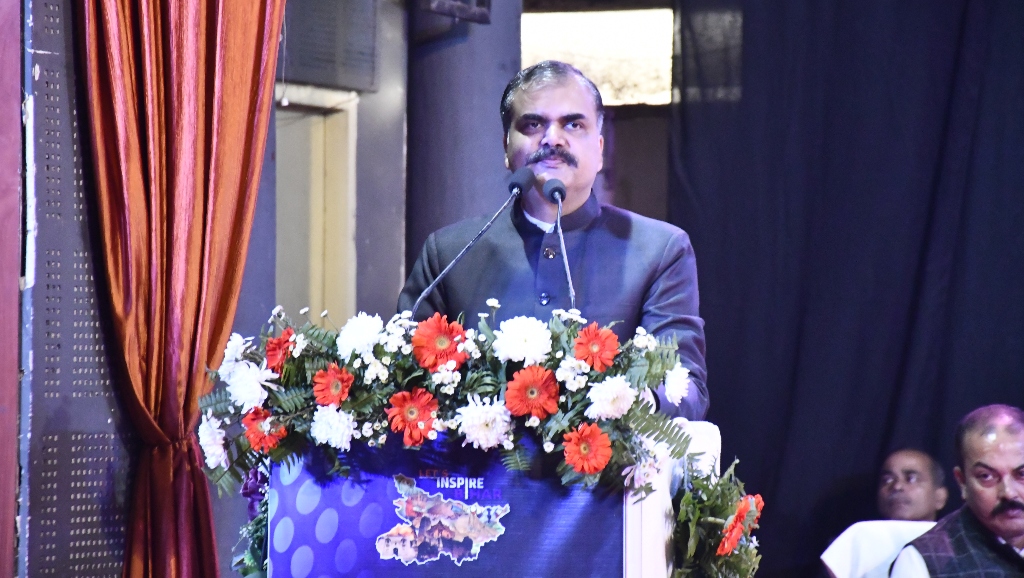 Among the chief speakers was Vikas Vaibhav, an IPS officer and chief patron of Let’s Inspire Bihar, who used the opening address to connect literature with the state’s socio-economic ambitions. He pointed to Bihar’s youthful population nearly nine crore people under the age of 30 as a “demographic strength” that could drive entrepreneurship and innovation if properly supported. Vaibhav said Bihar would need sustained high growth to match other states and emphasised that citizen-led initiatives, including start-ups supported by the LIB network, could complement government efforts.

Placing the discussion in historical context, he invoked Bihar’s intellectual past, from the Buddhist legacy to the ancient universities of Nalanda and Vikramshila, and the works of modern literary figures such as Ramdhari Singh ‘Dinkar’ and Phanishwar Nath ‘Renu’. Literature, he argued, has long shaped the state’s social conscience and could help transcend divisions of caste, religion and class.
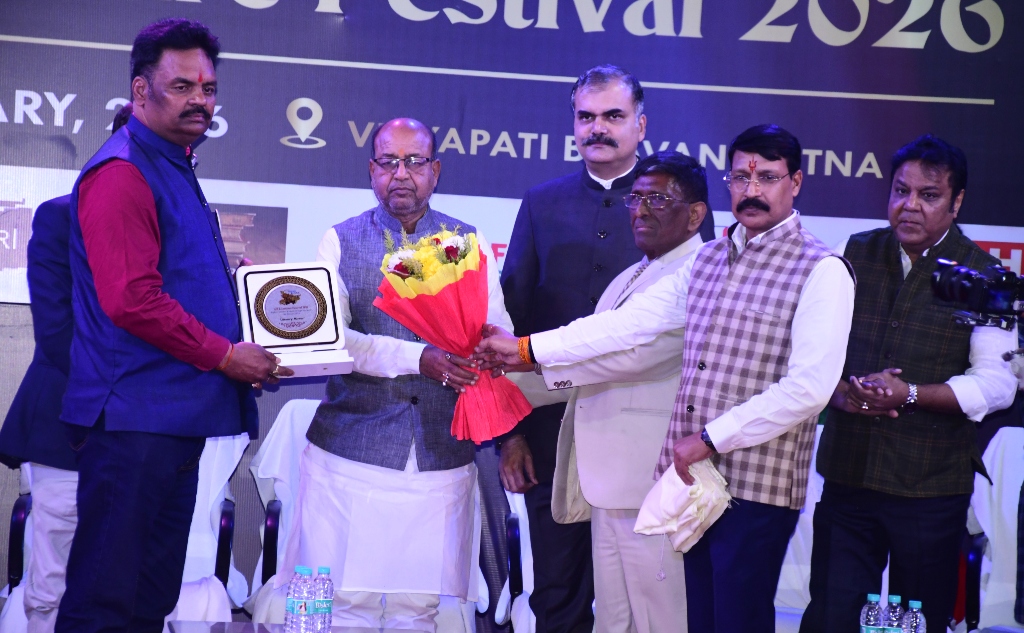 Arun Shankar Prasad, Bihar’s minister for arts, culture and youth, attended as chief guest and echoed the theme of cultural continuity. He described literature as a mirror to society and said initiatives like the festival could revitalise Bihar’s artistic traditions. The minister also highlighted the state’s Guru–Shishya Parampara Yojana, a mentorship scheme aimed at preserving traditional art forms while providing livelihoods to young practitioners.
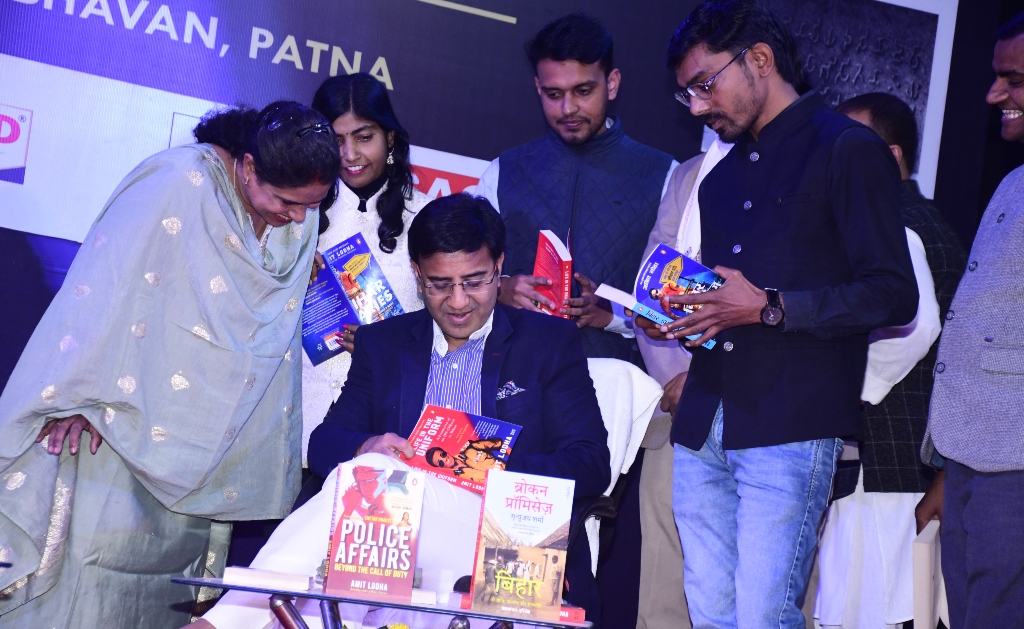 One of the most anticipated sessions featured Amit Lodha, an IPS officer and author, in conversation with writer and politician Mrityunjay Sharma. Lodha reflected on balancing policing with writing, suggesting that administrative experience often deepens empathy and narrative insight. The exchange, which touched on discipline, ethics and storytelling, drew strong engagement from the audience of students and young writers.
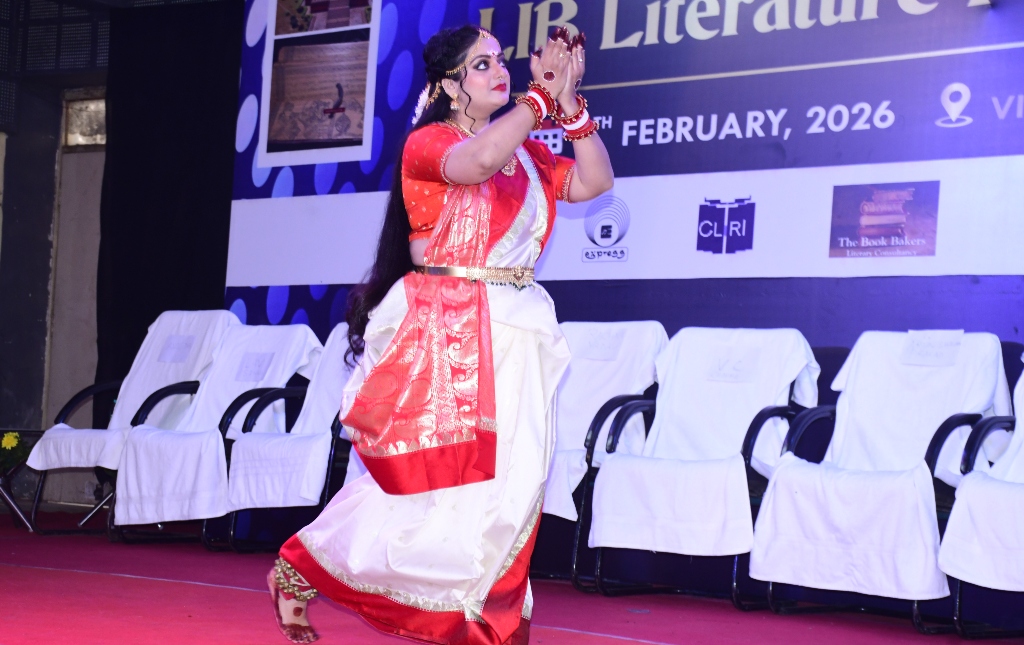 The programme also included poetry readings and stage performances by contemporary voices such as Radha Shailendra and Avinash Bandhu, alongside several book launches and an evening “Kavya Sandhya”. These segments foregrounded regional languages and oral traditions, celebrating what organisers called the “living spirit” of Bihar’s literary culture.
 Let’s Inspire Bihar, launched in 2021, claims to have connected hundreds of thousands of volunteers across India and abroad. Its broader agenda combines education, entrepreneurship and cultural outreach, with an ambition to encourage start-ups and local employment across districts. Festival coordinators said they hope the literature gathering will become an annual fixture, creating sustained space for debate and creative exchange.
As the event closed, participants described the festival less as a standalone celebration and more as the beginning of a longer conversation — one that positions storytelling, poetry and public dialogue as central to Bihar’s evolving identity and future.