Patna: The government of Bihar has pledged to intensify efforts to rehabilitate children rescued from labour and bonded work, as officials and experts gathered in Patna to discuss strategies to prevent their return to exploitation.

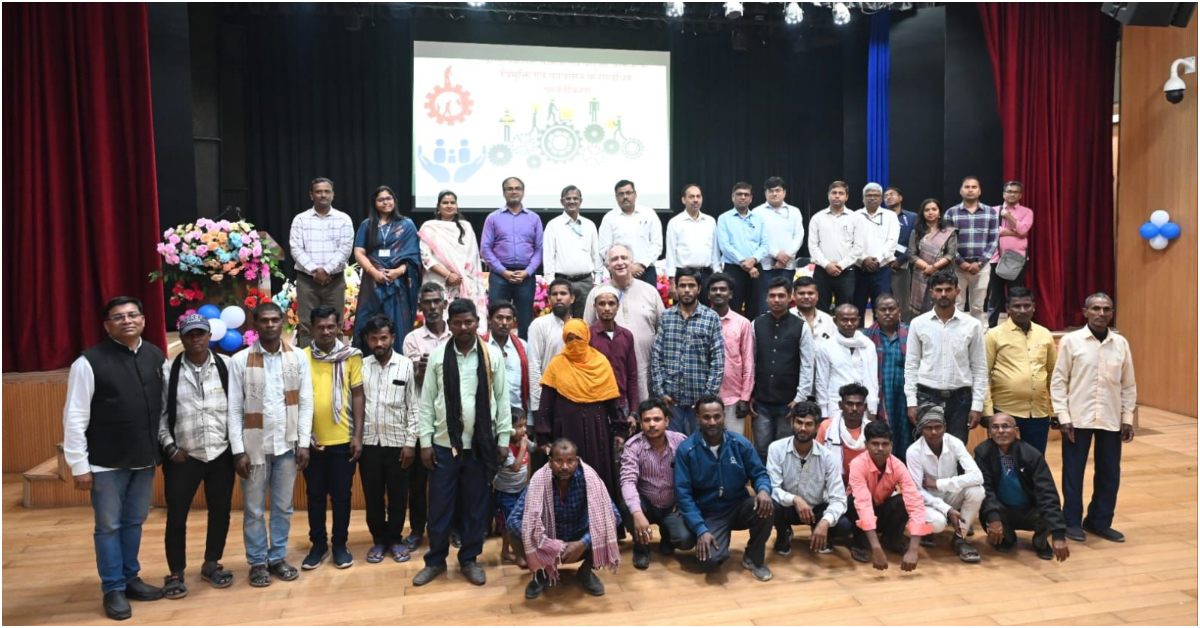
At an event titled “From Bondage to Respect: Rehabilitation and Strengthening Rights”, organised on Monday by the state’s department of labour resources and migrant worker welfare at the Dashrath Manjhi Institute of Labour and Employment Studies, speakers said integrating freed children into mainstream society would remain the government’s “first priority”.
Rajesh Bharti, Bihar’s labour commissioner, said the department was committed to ensuring that children rescued from villages and districts across the state did not fall back into child or bonded labour. “Our workers are becoming stronger rather than helpless,” he said, outlining a series of welfare schemes aimed at protecting the rights of child labourers, bonded labourers and workers in both the organised and unorganised sectors.

Officials said the programme sought to identify gaps in rehabilitation efforts and to design targeted interventions focusing on education, vocational training, self-employment and social reintegration. Special training centres are being established for rescued children, Bharti said, where they will receive educational support and skills training intended to help them secure livelihoods and rejoin formal schooling or work pathways.
The department is also compiling data on child labourers to ensure that eligible families can access state welfare schemes, and is conducting awareness drives to provide freed adult workers with information and training on updated tools and employment opportunities.
Benjamin Pütter, described by organisers as an international child labour expert, welcomed the state’s initiatives. He said sustained attention to the root causes of child labour – including poverty and lack of employment for families – would be crucial to ending the practice. “If we connect families with employment or self-employment opportunities, society can certainly be freed from this scourge,” he said.
Rajnath, chief coordinator and auditor of Certifix and the organisation From the Past into the Future, highlighted the role of collectives formed by freed children. Empowering such groups as frontline actors in preventing child trafficking and raising community awareness could help make rehabilitation efforts permanent, he said.
During the programme, 23 rescued child and bonded labourers were honoured with gifts. Senior labour officials, social workers and representatives of various organisations also attended and shared recommendations on strengthening the state’s approach.