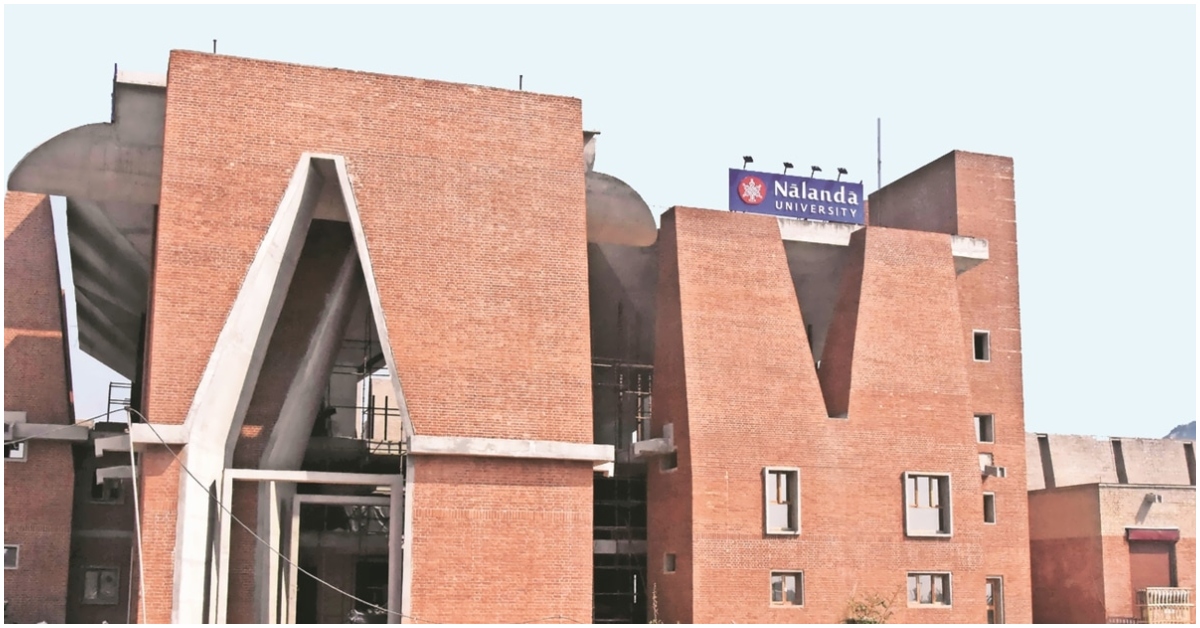
Nalanda: Nalanda University on Sunday inaugurated the first edition of the Nalanda Development Dialogue (NDD) 2026 at its Rajgir campus, bringing together scholars, policymakers, economists and development practitioners from around the world. The international seminar began with the traditional lighting of a ceremonial lamp, symbolising the spirit of knowledge, dialogue and global engagement.

The opening session featured welcome remarks by the university’s vice-chancellor, Professor Sachin Chaturvedi, who emphasised the importance of reviving meaningful global conversations on development, equity and sustainability. He said platforms like the Nalanda Development Dialogue are vital for addressing emerging challenges such as rising inequality, environmental constraints on growth and shifting geopolitical realities. Chaturvedi also highlighted the responsibility of academic institutions to bridge the gap between research and policy while promoting perspectives from the Global South.
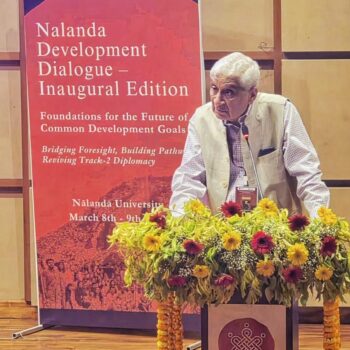 Delivering the keynote address, Dr Shamika Ravi, member of the Economic Advisory Council to the Prime Minister and secretary to the Government of India, outlined India’s development trajectory. Drawing on empirical data, she highlighted the country’s progress in economic transformation, poverty reduction and regional development. At the same time, she noted continuing challenges related to labour markets, gender dynamics and global economic shifts, describing the role of women in India’s growth story as “a fascinating chapter” reflecting their increasing participation in economic and social life.

The inaugural address was delivered by Professor Thomas Pogge of Yale University, who offered a critical assessment of how development is measured globally. He argued that traditional indicators such as GDP and Gross National Income often fail to capture deeper realities of inequality, human wellbeing and environmental sustainability. According to Pogge, development measurement must evolve towards more person-centred, multi-dimensional and ethically grounded frameworks in order to reshape development thinking beyond 2030.
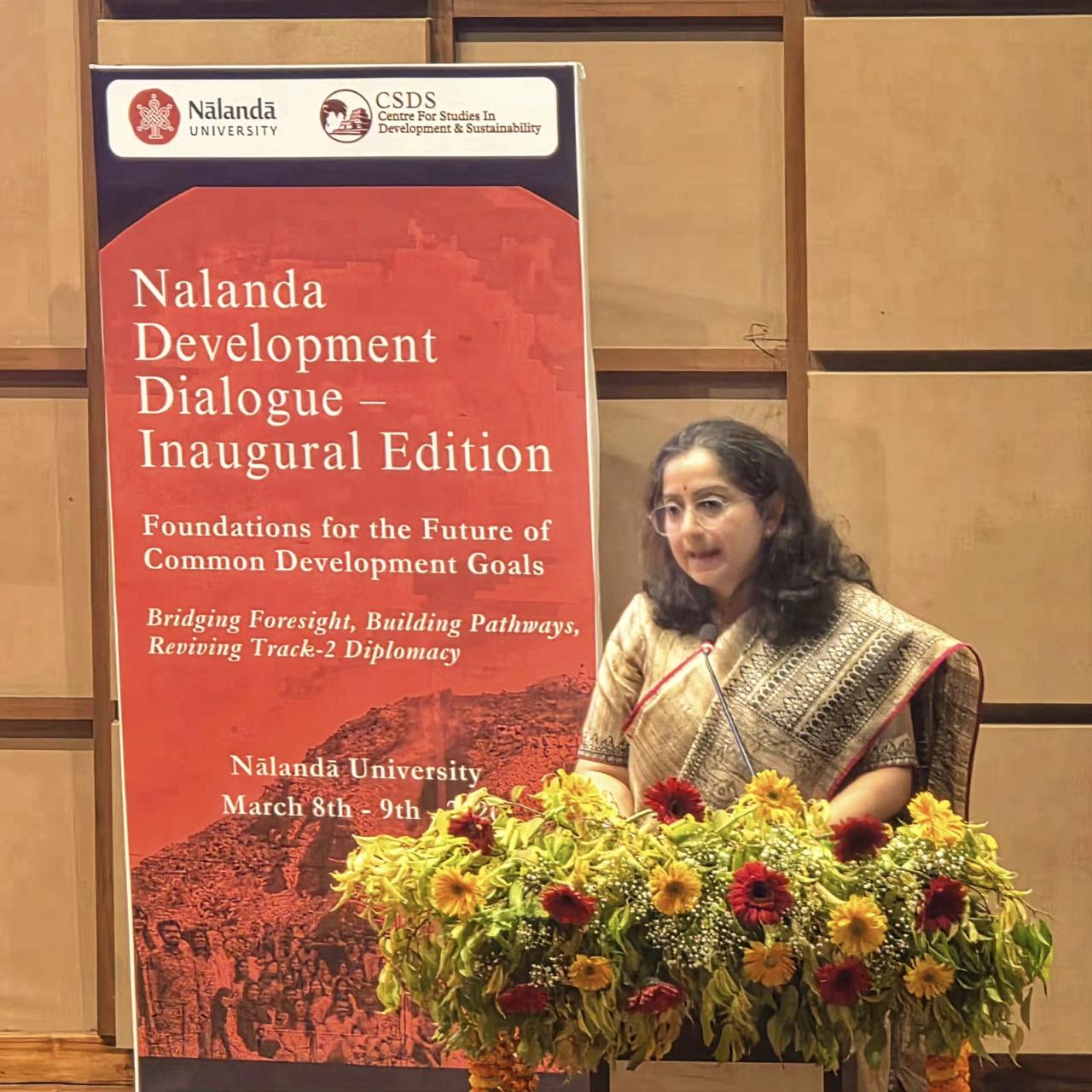 Economist Professor Deepak Nayyar, emeritus professor at Jawaharlal Nehru University, also addressed the gathering, reflecting on the changing global political and economic landscape. He noted that the international system formed after the second world war is gradually weakening amid shifting global dynamics. However, Nayyar stressed that international cooperation remains essential to tackle challenges such as climate change, economic stability and global security, while pointing to the growing influence of countries from the Global South in shaping a more balanced global order.
The first day of the Dialogue featured plenary roundtable discussions on the future of development frameworks, macroeconomic pathways for growth in a world under stress, and the intersections between sustainability, finance and global cooperation. Participants debated how development priorities should be redefined while ensuring that environmental sustainability and inclusive growth remain central to policy thinking.
 Organised by the Centre for Studies in Development and Sustainability (CSDS) at Nalanda University, the Dialogue aims to revive Nalanda’s historic legacy as a centre for global intellectual exchange. The event will continue on March 9 with further plenary sessions and thematic discussions involving experts from international universities, research institutions and policy organisations.