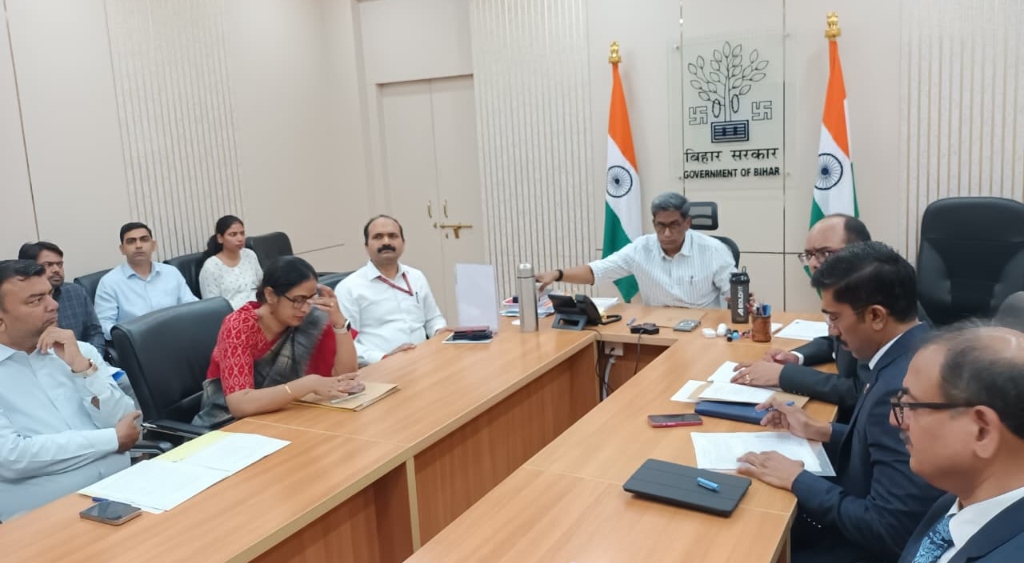
Patna: Bihar government has begun extensive preparations to deal with a potential heatwave expected in the coming months, placing several departments on alert. During a high-level meeting held on Monday in Patna, the state’s chief secretary Pratyaya Amrit directed officials to implement precautionary measures across departments to minimise the impact of extreme summer temperatures.

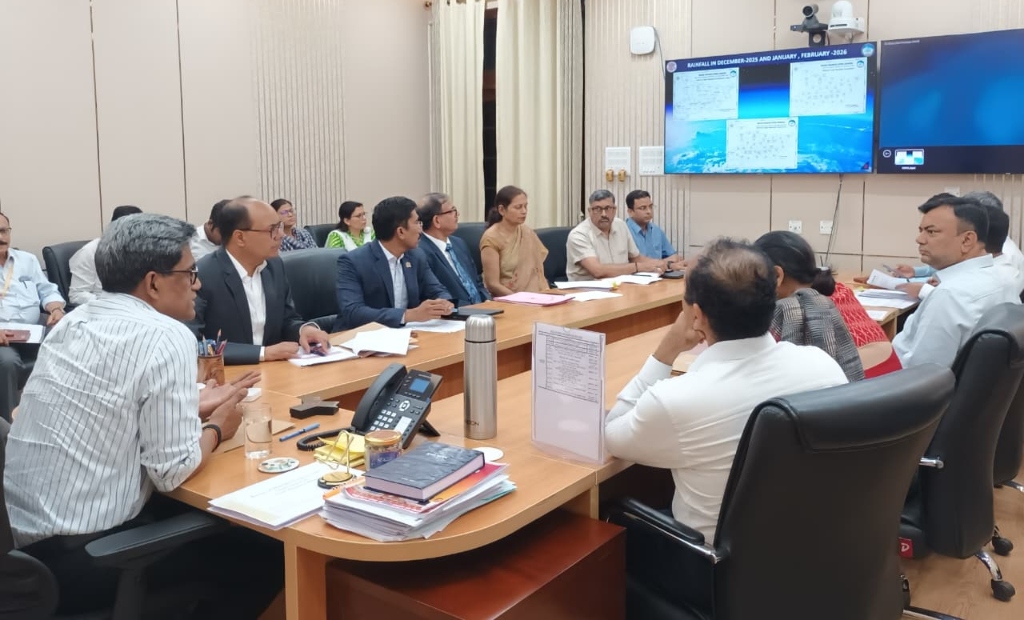
Officials from ten departments, including health, transport, energy, education and the Public Health Engineering Department (PHED), attended the meeting. According to Dr. Chandrashekhar Singh, secretary of the disaster management department, heatwave conditions are likely to begin around mid-April and could continue through May and June. Authorities have been asked to immediately begin implementing the state’s standard operating procedures for managing heat-related emergencies.
The chief secretary instructed departments to ensure the availability of drinking water at public places such as bus stands, markets and road intersections. Water tankers are to be kept ready where supply may be disrupted, and damaged pipelines must be repaired in advance. The health department has also been directed to hold meetings with civil surgeons and primary health centre officials before April to ensure adequate stocks of oral rehydration solution (ORS) and proper treatment protocols for heatstroke cases.

Special attention is being given to children and outdoor workers. Schools have been asked to educate students on ways to protect themselves from extreme heat and keep ORS readily available. Departments overseeing labour and migrant workers have been directed to ensure drinking water, shade, ice packs and first aid facilities at construction sites, factories and other workplaces where labourers work in the open.
The government has also issued instructions to maintain uninterrupted electricity supply during the summer months and repair loose power lines to prevent fire incidents. Public transport operations may be regulated between 11am and 3.30pm during peak heatwave periods, while buses are expected to carry drinking water, ORS and basic first-aid kits. Hand pumps at bus stands will also be repaired ahead of the summer season.
 Authorities have further directed anganwadi centres to maintain proper drinking water facilities, with special care for pregnant women and newborns. Departments have also been asked to create water pits for animals and birds at designated locations and monitor their health through mobile veterinary units. PHED officials will monitor groundwater levels weekly, and all water tankers must be repaired and cleaned within the next 10 to 15 days as part of the state’s preparedness plan.