Patna: Power distribution companies in Bihar have recorded their highest-ever annual revenue collection, reaching Rs 19,035 crore in the 2025–26 financial year, according to officials, marking a 12% increase compared with the previous year.

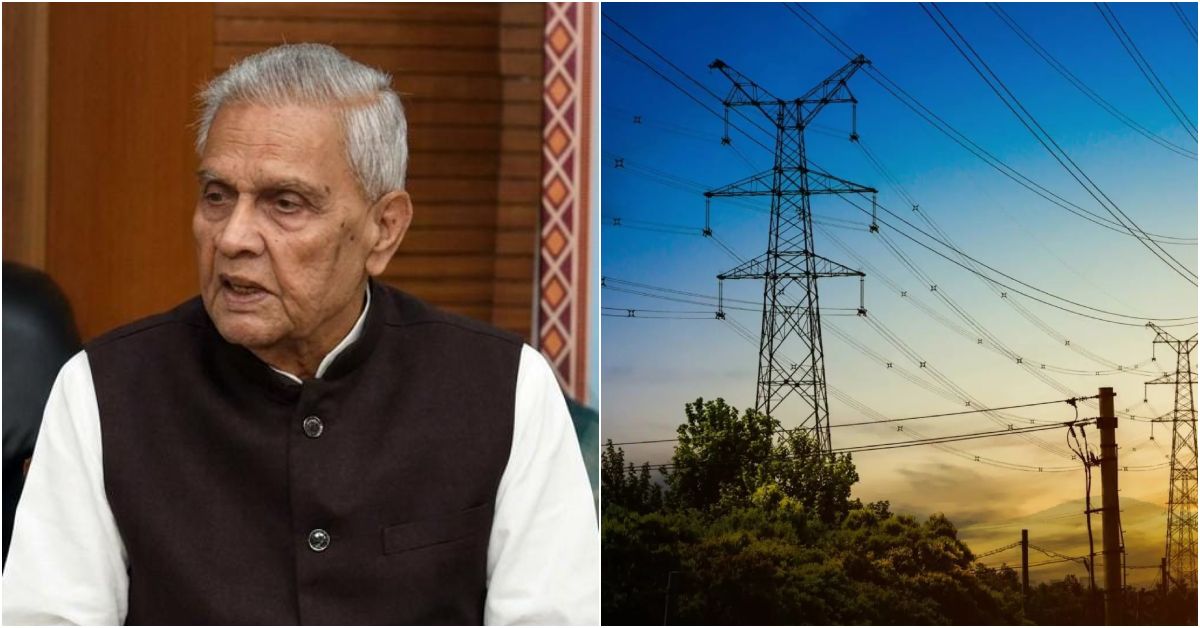
State energy minister Bijendra Prasad Yadav attributed the growth to “prompt payment of electricity bills” by consumers and improvements in service delivery, which he said had strengthened public trust in the system. He also credited the policies of chief minister Nitish Kumar for enabling the sector’s performance.
The state’s two distribution companies reported significant gains, with North Bihar Power Distribution Company Ltd (NBPDCL) collecting Rs 8,866 crore and South Bihar Power Distribution Company Ltd (SBPDCL) accounting for Rs 10,169 crore. Together, they recovered approximately Rs 1,916 crore more than in 2024–25.

Officials said the increase in revenue was linked to better billing and collection efficiency, improved grievance redressal systems and the availability of round-the-clock electricity supply. Consumers’ willingness to pay on time, they added, reflected greater confidence in service quality.
Manoj Kumar Singh, the state’s energy secretary, said billing and collection efficiency remain key indicators of the companies’ performance. He noted that improved financial health had allowed distribution firms to maintain uninterrupted supply without imposing additional burdens on consumers.
The higher revenues are also expected to translate into consumer relief in the coming financial year. Officials said that for 2026–27, higher tariff rates for consumption beyond 100 units in urban areas would be removed, with all usage billed at the base rate. This is expected to reduce costs by Rs 1.53 per unit for urban domestic users, Rs 1.20 for urban non-domestic users and Rs 0.42 for rural non-domestic consumers.
Additional measures include a reduction in fixed charges for small businesses and low-tension industrial consumers, while mushroom cultivation has been reclassified as an agricultural activity. A mandatory time-of-day tariff system will also be introduced for consumers with loads above 10 kilowatts and those using smart meters, allowing them to optimise usage and reduce costs.
The improved collections are projected to lower aggregate technical and commercial (AT&C) losses to around 14%, which officials said would be below the national average. The companies also received Rs 2,200 crore in payments from government departments through a centralised system.
In total, Rs 2,263 crore was deposited into the state exchequer — the highest contribution by the power companies to date — alongside Rs 2,234 crore in electricity duty and Rs 29 crore under GST.
Singh said the government remained committed to ensuring reliable, affordable and high-quality electricity supply, adding that the record performance reflected both administrative efforts and consumer cooperation.