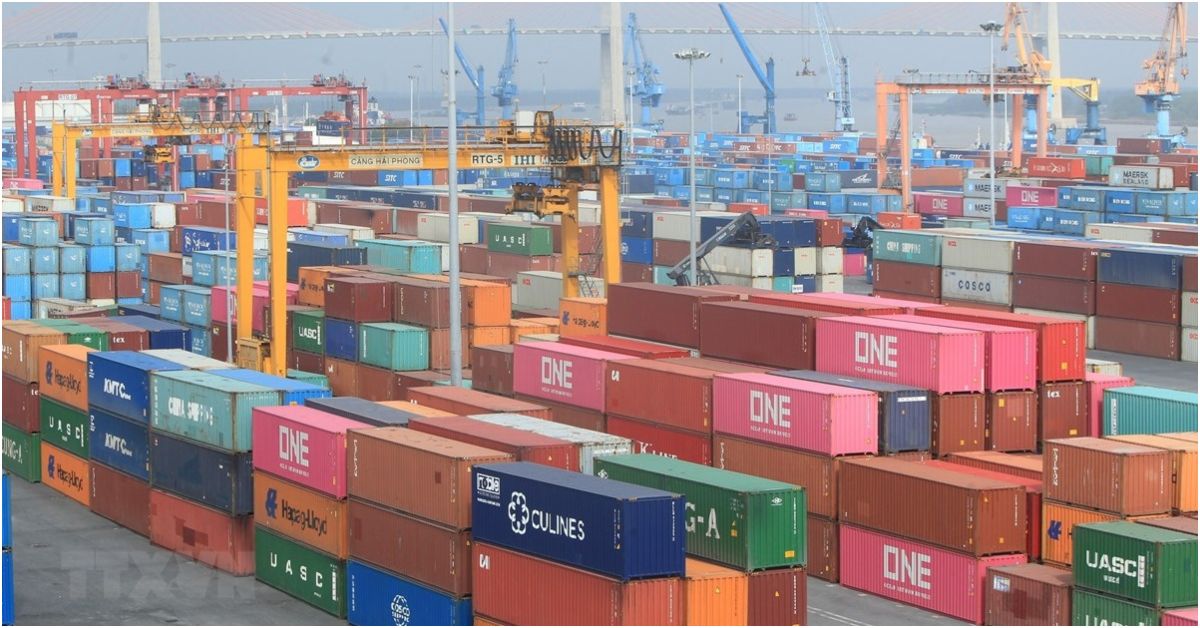
Patna: Export operations at the Princeton Magadh Inland Dry Port in Bihta, on the outskirts of Patna, have been severely disrupted as the Iran–Israel conflict continues to destabilise international shipping routes and push up freight costs.

Traders and port officials say container charges have risen more than tenfold in recent weeks, making exports commercially unviable for many small and medium-sized businesses. The sudden escalation has forced several exporters to cancel orders and reconsider their overseas commitments.
Sudhir Kumar, the operations in-charge at the dry port, said a growing number of consignments were being withdrawn as transport costs surged. He added that the impact was being felt most acutely across agricultural produce, textiles and handicrafts — sectors that rely heavily on cost-sensitive international markets.

The Bihta facility, which serves as an inland logistics hub for exporters in Bihar and neighbouring regions, has seen a slowdown in activity as manufacturers and traders adjust to the disruption. Several industrial units in and around the Bihta cluster have temporarily reduced output or paused operations, citing the lack of viable export channels.
Industry participants say the sharp rise in logistics costs has left many exporters unable to absorb the additional burden. Smaller firms, in particular, are struggling to remain competitive, with some warning that continued instability could threaten their survival in export markets.
“The increase in container charges has completely altered the cost structure,” one trader associated with the dry port said, noting that contracts signed under earlier freight assumptions were no longer financially feasible.
The disruption reflects wider strain on global supply chains as geopolitical tensions in the Middle East ripple through maritime trade routes. Shipping disruptions and rising insurance premiums have already affected several export-dependent economies, with inland logistics hubs in India now beginning to feel the impact.
At Bihta, where the dry port was expected to strengthen export capacity for eastern India, traders say the current situation has reversed recent gains in trade activity. The slowdown has raised concerns about longer-term competitiveness if elevated shipping costs persist.
Exporters warn that if the situation does not stabilise soon, the region could face deeper losses across manufacturing and trade-linked employment. For now, businesses remain dependent on developments in the international situation, with little clarity on when logistics costs might return to previous levels.