Patna: Bihar government has launched a major push towards electric mobility, unveiling its new Electric Vehicle Policy 2026 with the aim of ensuring that nearly one in every three new vehicles registered in the state is electric by 2030. The state government says the policy marks the beginning of a cleaner transport future, with a strong focus on reducing fuel dependence and encouraging renewable energy. The move comes as states across India expand green transport plans in line with the broader push led by Prime Minister Narendra Modi, but Bihar’s challenge may be larger because EV adoption in the state is still very low.

Under the new scheme, the government has announced a range of financial incentives to attract buyers. Women purchasing electric cars will receive a subsidy of up to Rs 1 lakh, while electric two-wheelers will come with grants for general and SC/ST categories. Commercial electric vehicles used for goods transport will also qualify for financial support, along with a 50% exemption on vehicle tax for all EV registrations in the state. Officials say the goal is not only to promote electric mobility but also to reduce the state’s yearly consumption of petrol and diesel by millions of litres. According to transport minister Damodar Rawat, Bihar aims to reach 15% EV registrations by 2028 and increase that share to 30% by 2030.
The policy has generated interest, but current figures show how far Bihar has to go. Across India, electric vehicle registrations have risen sharply, yet Bihar still has only a few thousand electric four-wheelers and a relatively small number of two-wheelers. Most of these are concentrated in Patna and a few large districts such as Begusarai and Muzaffarpur. In many districts, electric vehicles remain rare. Residents say the high cost of vehicles and the fear of battery replacement expenses continue to discourage buyers. Long-distance travellers also remain hesitant because charging points are scarce and breakdown support is still weak compared with traditional petrol and diesel vehicles.

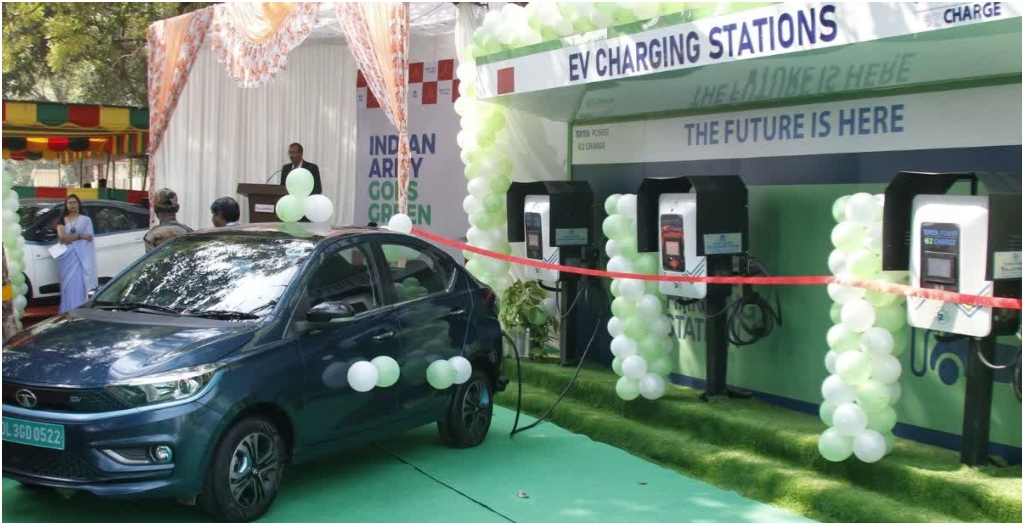
Experts say the policy’s success will depend on infrastructure rather than subsidies alone. Environmentalist Mrityunjay Mani warned that battery disposal could become a major environmental issue if recycling systems are not developed immediately. Others say Bihar’s pollution problem is also linked to dust and construction activity, meaning EVs alone will not solve the crisis. Industry representatives have urged the government to build charging stations at every petrol pump and strengthen service centres before the number of EVs rises sharply. Without that groundwork, they warn, long queues, expensive battery replacements and poor awareness could undermine the entire scheme.
The Bihar government has presented the policy as a major shift towards sustainable transport, but the real test lies in implementation. Public awareness remains low and many people still see EVs as costly and unreliable for long journeys. For the transition to succeed, the state will need to invest heavily in charging stations, battery recycling systems and repair networks, while also convincing people that electric vehicles are practical beyond city roads. The subsidies may have started the process, but Bihar’s journey towards a cleaner transport future will depend on whether the support systems arrive before the promises fall behind.