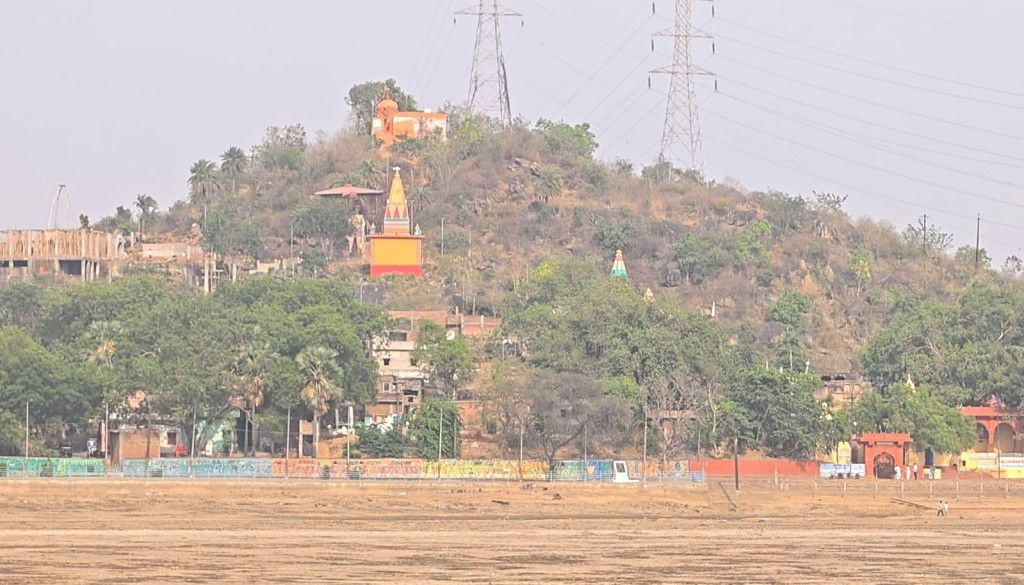
Gaya: Several districts in Bihar are experiencing intense summer conditions, with temperatures consistently remaining above 40°C. Among them, Gaya has emerged as one of the hottest locations in the state.

The district has witnessed severe heat since April this year, with residents facing difficult conditions as temperatures remained high through April and May. According to available data, the maximum temperature crossed 40°C on most days during the period.


Temperature recorded in the last five days this year
| Date | Maximum Temperature (°C) |
| May 17 | 40.8 |
| May 18 | 44.6 |
| May 19 | 37.8 |
| May 20 | 39.2 |
| May 21 | 42.0 |
The highest temperature recorded this year so far was 44.6°C on May 18.
Ten-year temperature trend
Weather records over the past decade indicate that Gaya has repeatedly experienced extreme summer temperatures. The highest temperature during the period was recorded on 29 May 2024, when the mercury reached 47.4°C.
Highest Temperatures Recorded in Gaya Over the Last Decade
| Year | Maximum Temperature (°C) | Date |
| 2015 | 45.7 | May 24 |
| 2016 | 44.5 | May 18 |
| 2017 | 44.2 | May 21 |
| 2018 | 44.6 | May 26 |
| 2019 | 44.9 | May 10 |
| 2020 | 45.8 | May 26 |
| 2021 | 41.3 | May 16 |
| 2022 | 45.6 | May 15 |
| 2023 | 43.3 | May 21 |
| 2024 | 47.4 | May 29 |
| 2025 | 43.1 | May15 |
Experts link extreme heat to geography and environmental changes
A retired professor of geography in a constituent college in Gaya, functioning under Magadh University said, the district’s geographical structure plays a major role in its climate conditions.
According to him, Gaya is surrounded by circular hill formations, with the city located in a central basin-like area. He said the rocky terrain absorbs and retains heat, contributing to higher temperatures during summer.
The professor also noted that the district experiences colder winters for similar reasons, as rocks and sand lose heat rapidly during winter months.
Declining tree cover worsening heat conditions
The former geography professor said the hills around Gaya once had dense tree cover, but deforestation over time has increased direct exposure of rocks to sunlight.
He added that the ancient metamorphic rocks in the region absorb significantly more heat than soil surfaces. The Falgu riverbed, which contains large stretches of sand, also contributes to rising temperatures by absorbing heat and releasing it into the atmosphere.
Urban construction, including concrete buildings, further intensifies heat retention in the city, he said.