Patna: A senior official of the Indian Council of Agricultural Research (ICAR) has called for stronger collaboration, greater financial discipline and wider dissemination of research to ensure that agricultural innovations reach farmers more effectively.

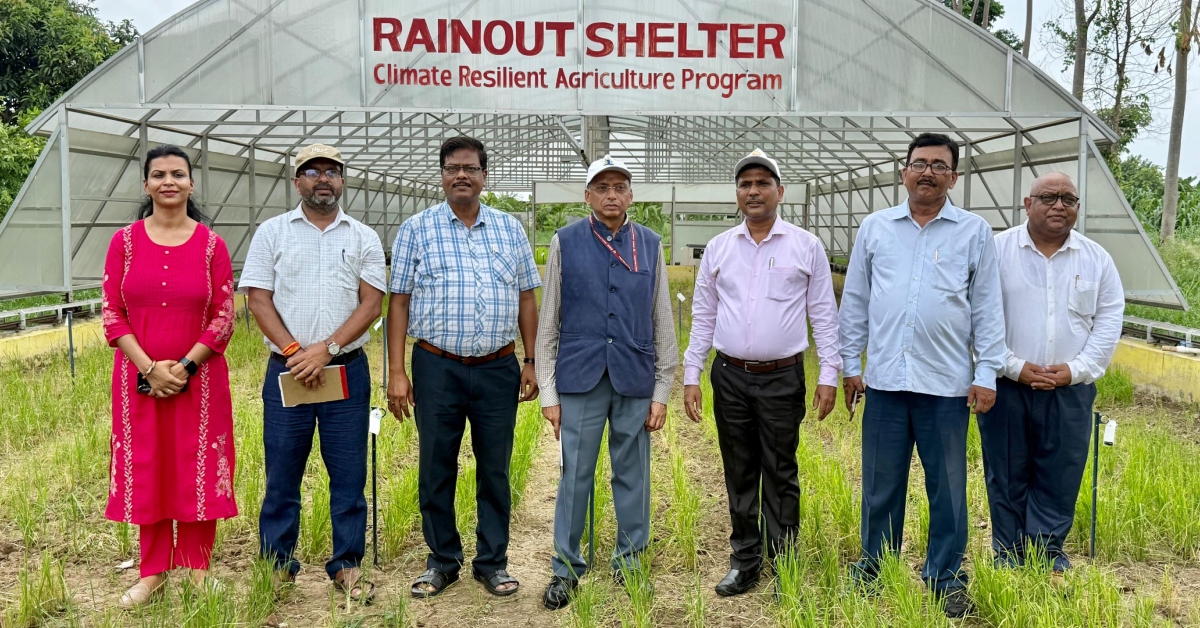
Sandeep Sarkar, Additional Secretary, Department of Agricultural Research and Education (DARE), and Financial Advisor, ICAR, reviewed the research, technology development and financial management activities of the ICAR–Research Complex for Eastern Region (ICAR-RCER) in Patna during a visit on Thursday.
Focus On Farmer-Centric Research

During the review, Dr Anup Das, Director of ICAR-RCER, outlined the institute’s ongoing research and achievements, highlighting technologies designed to improve agricultural productivity while addressing climate and resource challenges.
He presented the institute’s work on the Rice Fallow Management Programme, integrated farming systems, smart water management, livestock- and fisheries-based farming modules, horticulture-based land-use models and sustainable intensification of the rice-wheat production system.
According to the institute, climate-resilient rice varieties developed by ICAR-RCER are now cultivated across nearly five lakh hectares in eastern India and other parts of the country.
Call For Greater Collaboration
Appreciating the institute’s work, Sarkar emphasised the need for stronger convergence among research programmes and greater collaboration between institutions to accelerate the adoption of agricultural technologies.
He said multidisciplinary, system-based approaches were essential to addressing complex agricultural challenges and urged scientists to continue developing location-specific technologies capable of delivering measurable improvements in farmers’ livelihoods.
Sarkar also stressed that agricultural research should remain firmly focused on solving practical problems faced by farmers.
Stress On Financial Discipline
The visiting official called for prudent financial management, urging efficient use of financial and human resources and greater emphasis on investments that generate tangible scientific outcomes.
He also highlighted the importance of following Government e-Marketplace (GeM) procurement procedures, strengthening technical supervision, monitoring contracts effectively and maintaining financial discipline.
Sarkar encouraged the institute to expand technology commercialisation, collaborative research, quality seed production and partnerships with research organisations, industry and other stakeholders to speed up the transfer of ICAR technologies to farmers.
Visit To Research Facilities
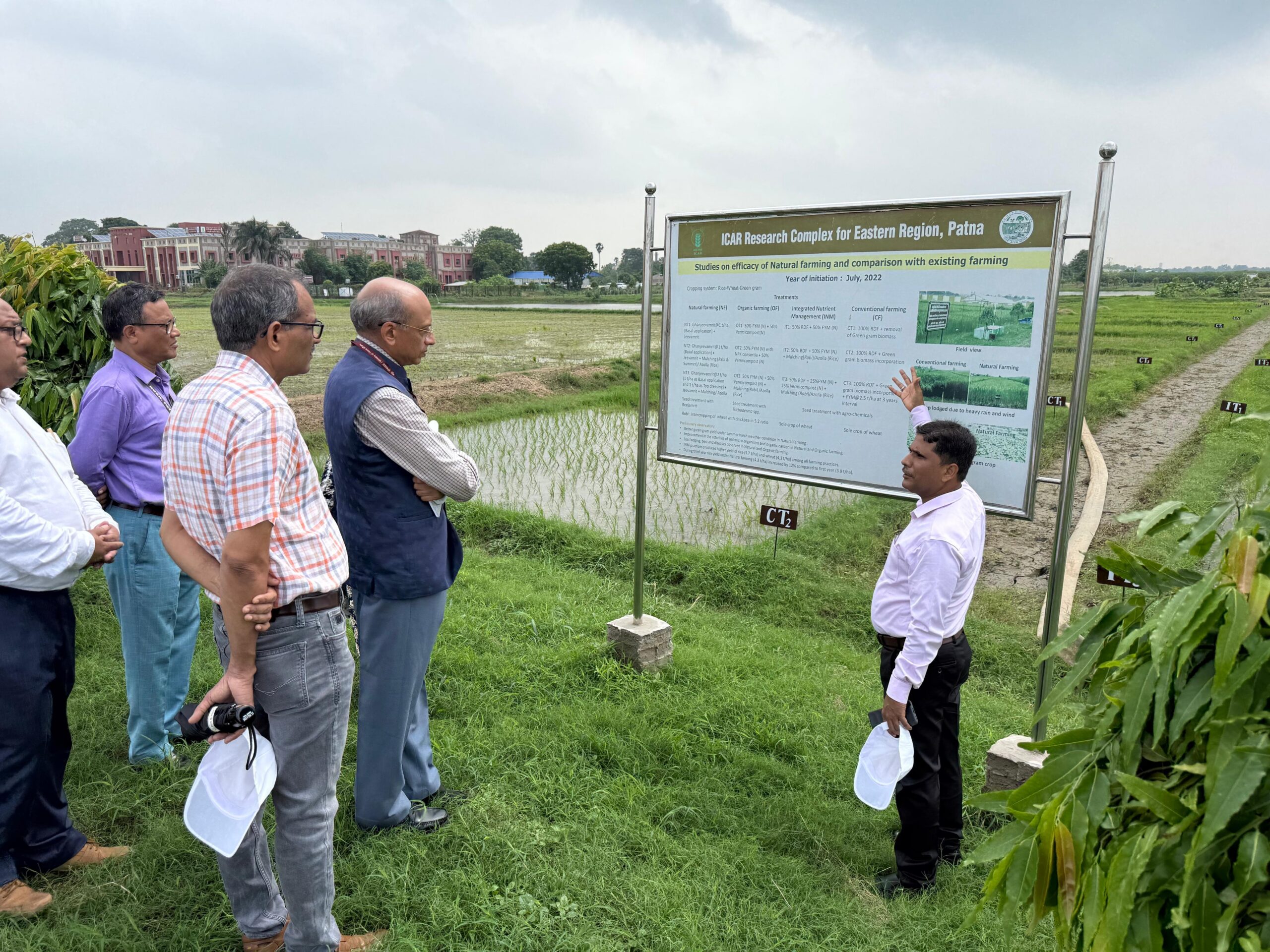
During his visit, Sarkar toured the institute’s experimental fields, livestock farms, integrated farming system models and the Swarna Vatika Knowledge Park, where he discussed technology dissemination and institutional collaboration with scientists.
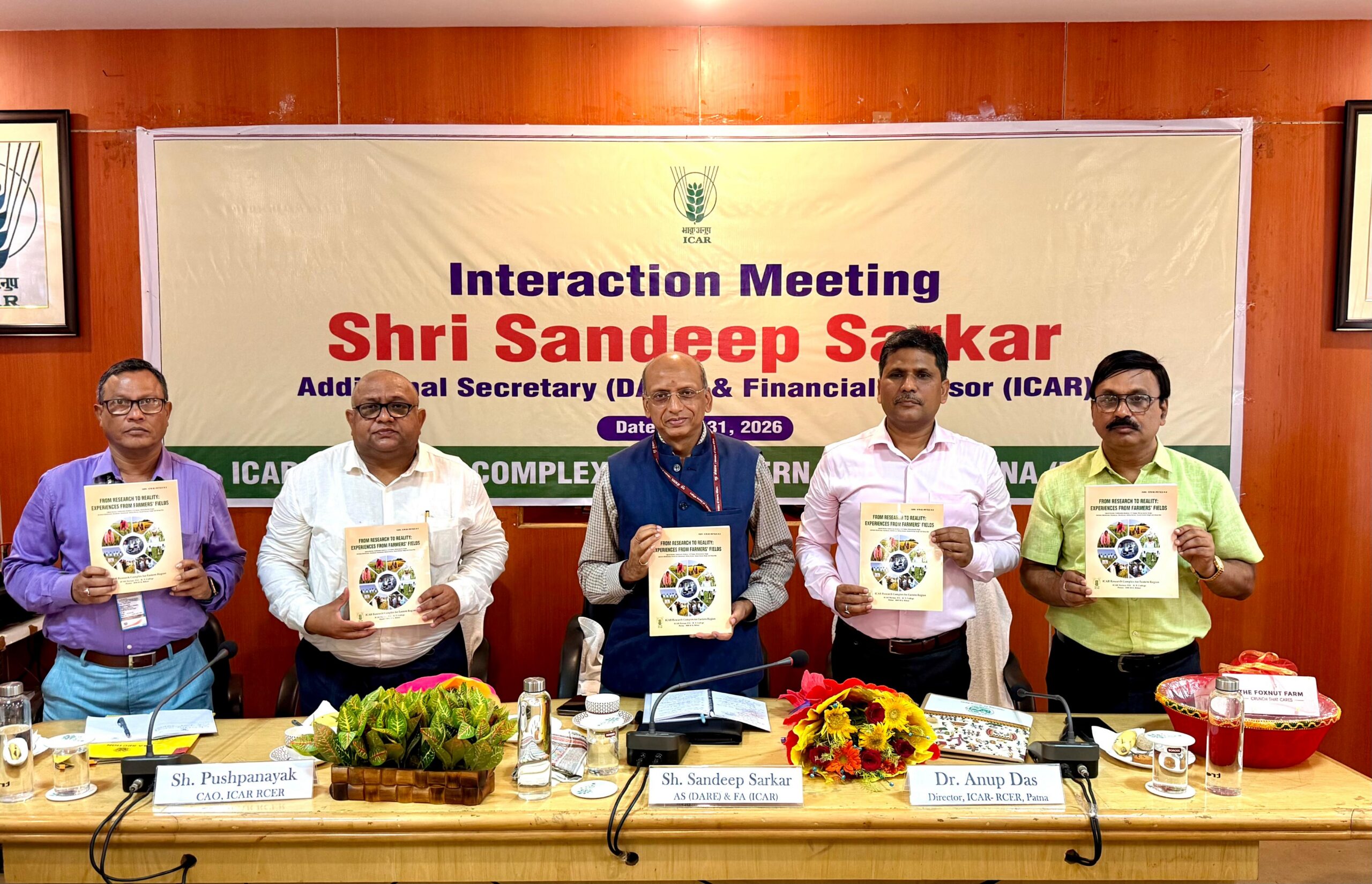
He also participated in a tree plantation programme and released the institute’s publication, From Research To Reality: Experiences From Farmers’ Fields.
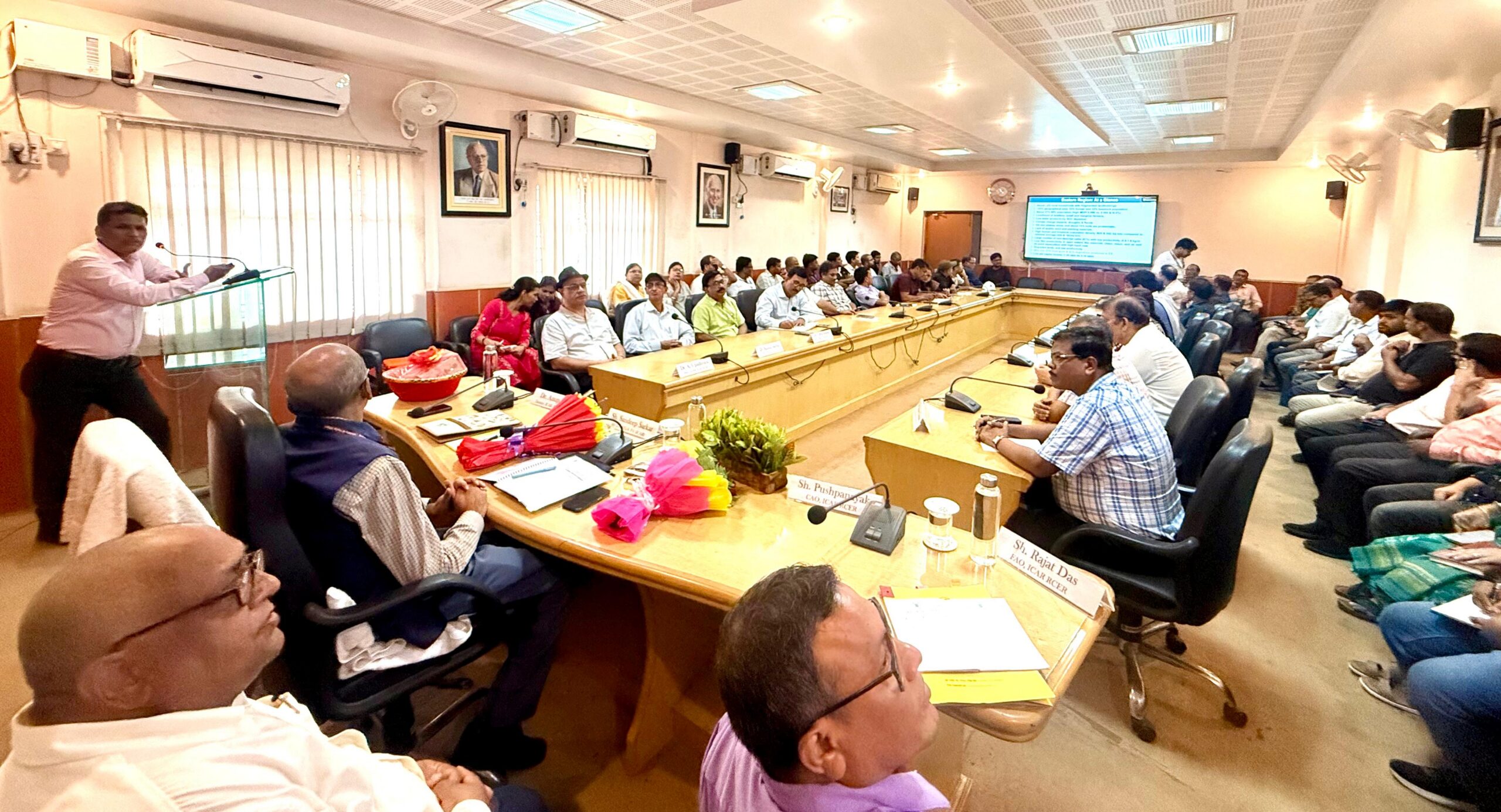
Officials from ICAR-RCER, including scientists and staff from the Farming System Research Centre for Hill and Plateau Region in Ranchi and Krishi Vigyan Kendras at Ramgarh and Buxar, also interacted with the visiting official to discuss ongoing research and extension activities.