Patna: Residents of urban Bihar, particularly those living in slum areas, are set to gain access to expanded primary healthcare services under a major expansion of the state’s urban health network.

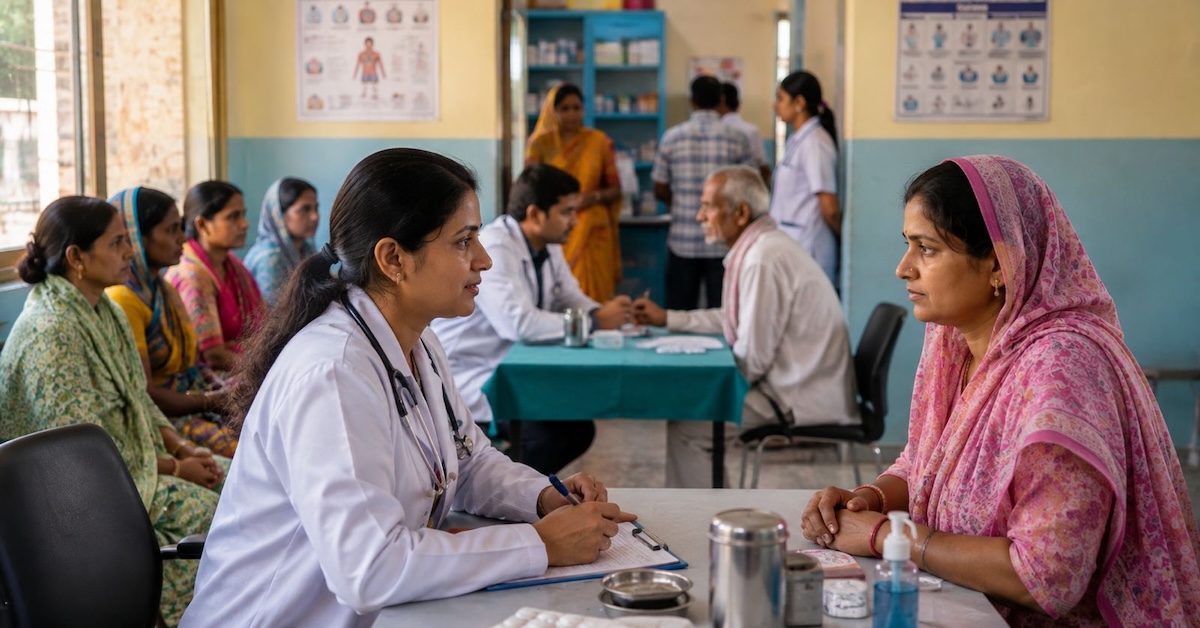
The central government has approved the operation of 598 urban health centres in Bihar for the 2026-27 financial year under the National Urban Health Mission (NUHM). The network will comprise 164 Urban Primary Health Centres (UPHCs) and 434 Urban Health and Wellness Centres (UHWCs).
Patients will receive health services free of charge at these centres, with only a Rs 2 facility fee for an OPD registration slip.

Longer OPD Hours
The centres are expected to make healthcare more accessible to people living in densely populated urban areas and slums.
UPHCs will operate from 11am to 7pm, while UHWCs will remain open from 9am to 5pm.
The centres will provide a range of primary healthcare services, including outpatient consultations, maternal and child healthcare, routine immunisation, family planning and counselling.
They will also screen patients for communicable and non-communicable diseases and provide medicines free of charge.
11 Patna Jan Seva Kendras To Become Health Centres
As part of the expansion, 11 Jan Seva Kendras currently operating in Patna will be converted into Urban Health and Wellness Centres through a joint initiative of Patna Smart City Limited and the Health Department.
The central government has approved the operation of these centres during 2026-27.
The state also plans to organise special remote health camps and Ayushman Arogya camps, particularly to extend healthcare services to residents of slum areas.
Health Centres Planned In Engineering And Polytechnic Colleges
The urban health programme will also target young people through centres in educational institutions.
Urban Health and Wellness Centres are being established in 19 government polytechnic institutes and 14 government engineering colleges located within urban local body areas. These facilities have received central government approval.
The initiative is intended to improve access to healthcare among students while expanding the reach of the urban health network.
Focus On Slum Communities And Women
The new centres will largely operate from rented premises located close to slum populations, allowing healthcare services to be brought closer to communities that may face barriers in accessing existing facilities.
Urban ASHAs and women are also expected to play an important role in the implementation of the programme and in connecting communities with healthcare services.
The expansion under the NUHM is intended to strengthen Bihar’s urban primary healthcare system and provide more accessible services to residents, with a particular focus on underserved communities.