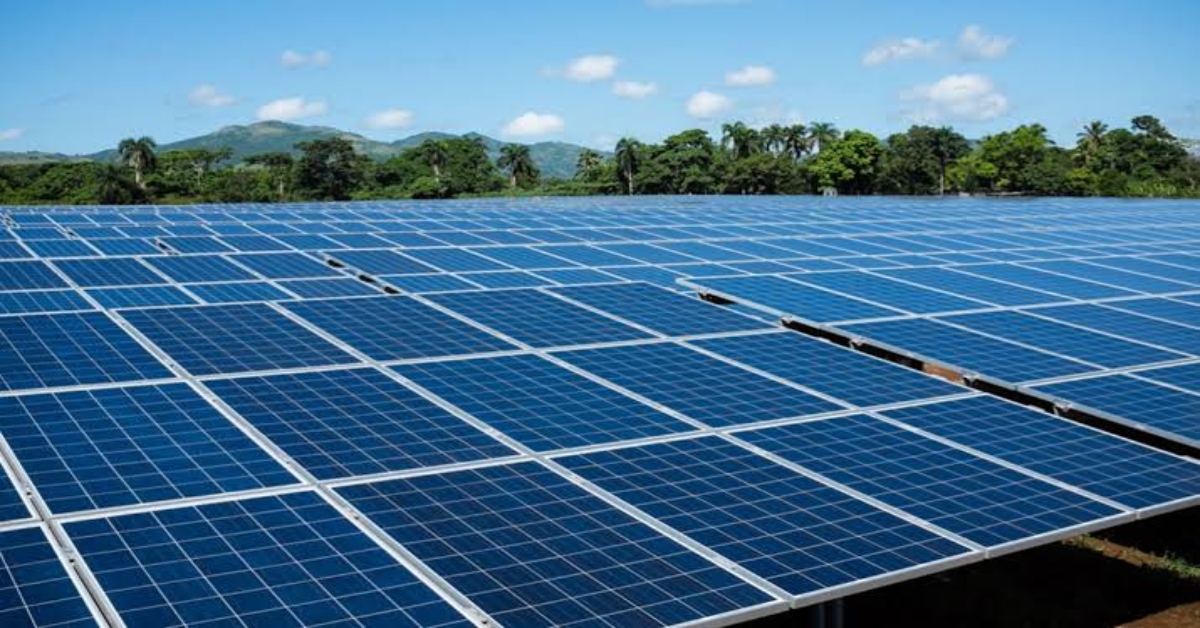
Patna: Bihar is preparing to install rooftop solar plants at government schools as part of a phased plan to increase the use of renewable energy across the state’s education system.

The first phase will cover high schools, Adarsh schools and PM Shri schools, while other government schools will subsequently be brought under the programme in phases.
The initiative is expected to reduce schools’ dependence on conventional electricity and provide additional power support for facilities such as smart classrooms, computer labs and digital boards.

Schools With Suitable Roofs To Be Identified
The Education Department is currently identifying school buildings whose rooftops are strong and suitable for installing solar plants.
Deepak Kumar Sinha, District Programme Officer for Primary Education and Samagra Shiksha, has directed Block Education Officers to prepare lists of suitable schools.
The BEOs have been asked to submit the details of priority schools within two days, allowing the department to proceed with the next stage of the programme.
BREDA To Handle Solar Installation
The rooftop solar installation process will be carried out through the Bihar Renewable Energy Development Agency (BREDA).
The Executive Engineer of the Building Construction Corporation will also be responsible for approving the list of identified schools and forwarding it to the department.
Once installed, the solar plants will allow selected schools to meet part of their electricity requirements through solar power.
The move is expected to reduce dependence on conventional electricity and could also help schools save on electricity bills.
Smart Classes And Computer Labs In Focus
Reliable electricity will be particularly important for government schools that have adopted digital learning facilities.
Smart classrooms, computer labs and digital boards will be among the facilities that could benefit from the solar installations.
The impact could be particularly useful for schools in rural areas, where interruptions in electricity supply can affect the regular use of digital equipment.
With solar power available, schools will have an additional source of electricity for operating these facilities.
Surplus Power Could Be Sent To The Grid
Under the proposed arrangement, schools that generate more solar power than they require could potentially send the excess electricity to the power grid.
This would allow surplus renewable energy generated by school rooftops to be utilised rather than remaining unused.
The feasibility and implementation arrangements for such grid connectivity will depend on the technical assessment of individual schools.
Students To Get Practical Exposure To Solar Energy
The programme will also give students an opportunity to learn about renewable energy through practical exposure.
Solar installations on school campuses will allow students to understand how sunlight is converted into electricity and how renewable sources can contribute to everyday energy needs.
The department is first preparing a list of schools based on the condition, strength and availability of suitable rooftop space.
After the required approvals and formalities are completed, solar rooftop installations will be taken up at selected schools before the programme is expanded to other government schools in subsequent phases.