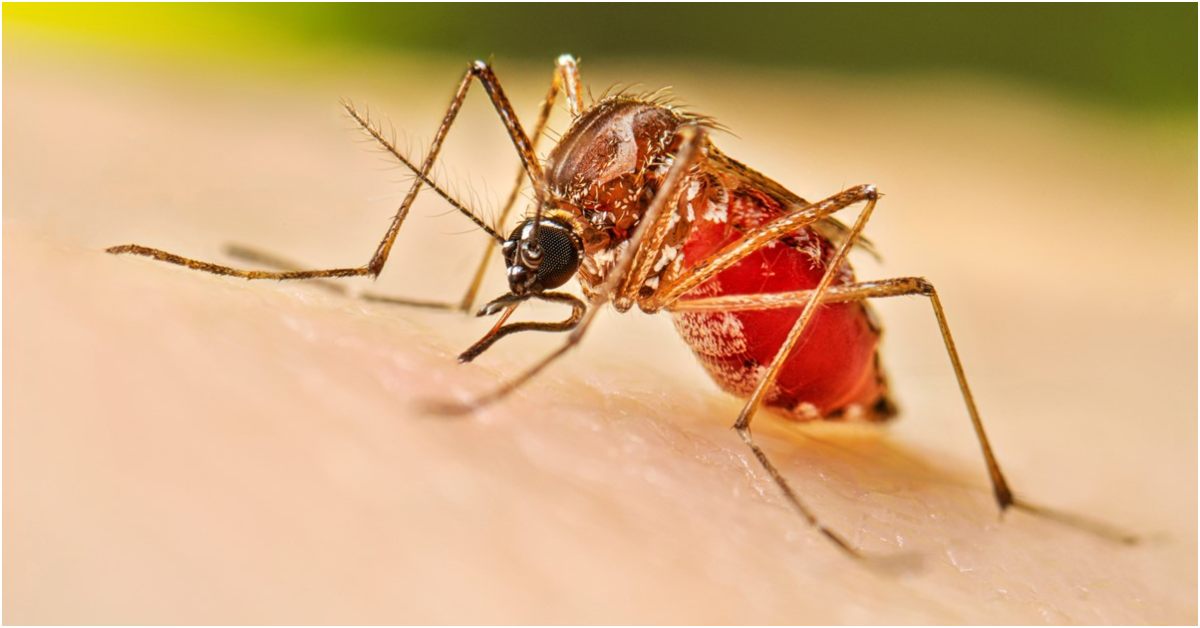
Patna: Dengue cases are rising rapidly in Patna, with 307 patients reported so far this season, including 140 cases recorded in September. Nine new cases were detected on Wednesday, according to health officials.

Health officials said the recent cases have raised concern as some patients are experiencing a rapid drop in platelet counts, requiring hospitalisation and closer monitoring.
Dr Rajeev Kumar Singh, Superintendent of Patna Medical College and Hospital (PMCH), said 55 dengue patients have been admitted to the hospital this season.

“A 20-bed dengue ward has been set up at PMCH. All dengue patients admitted so far have recovered and been discharged,” Singh said.
At the Indira Gandhi Institute of Medical Sciences (IGIMS), 79 dengue patients have been admitted this season. Five beds have been earmarked for dengue patients at the hospital.
Kankarbagh among dengue hotspots
Health officials have identified several areas across Patna as dengue hotspots or sensitive zones.
In the Kankarbagh zone, the affected areas include Kankarbagh, Hanuman Nagar, Bhagwat Nagar, Postal Park, Yogipur, Jakkanpur and Bhoothnath Road.
Areas under the Bankipur zone include Bazaar Samiti, Musallahpur Ghat, Sultan Ganj, Sandalpur, Kadamkuan, Mahendru and Bhikhan Pahari.
In the Patliputra zone, the identified areas include Patliputra, Boring Road, Rajabazar, Indrapuri, Ashiana, Digha, AG Colony and SK Puri.
Other identified areas include Taramandal, Sipara, Mithapur and Anisabad under the New Capital zone; Agamkuan, Bajrangpuri, Gulzarbagh and Alamganj under the Azimabad zone; and Khajekalan and Malsalami in Patna City.
Other sensitive areas include Gardiner Road/Gardnibagh, Rajiv Nagar, Shastrinagar, Phulwarisharif, Mainpura, Mahendru and Transport Nagar.
Health officials urge residents to prevent mosquito breeding
Patna Civil Surgeon Dr Yogendra Prasad Mandal urged residents to prevent water from accumulating in and around their homes.
“People experiencing persistent high fever, body ache, weakness or vomiting should consult a doctor and get tested for dengue instead of taking medicines on their own,” Mandal said.
He advised residents to wear full-sleeved clothes and use mosquito nets while sleeping. People should also regularly check their homes and surrounding areas for stagnant water, which can provide breeding grounds for mosquitoes.
With dengue cases increasing during the monsoon season, health officials have urged residents to take preventive measures and seek medical attention promptly if symptoms develop.