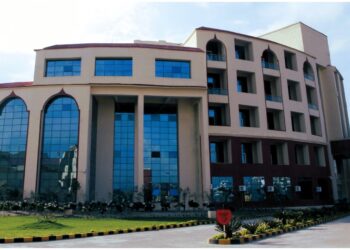
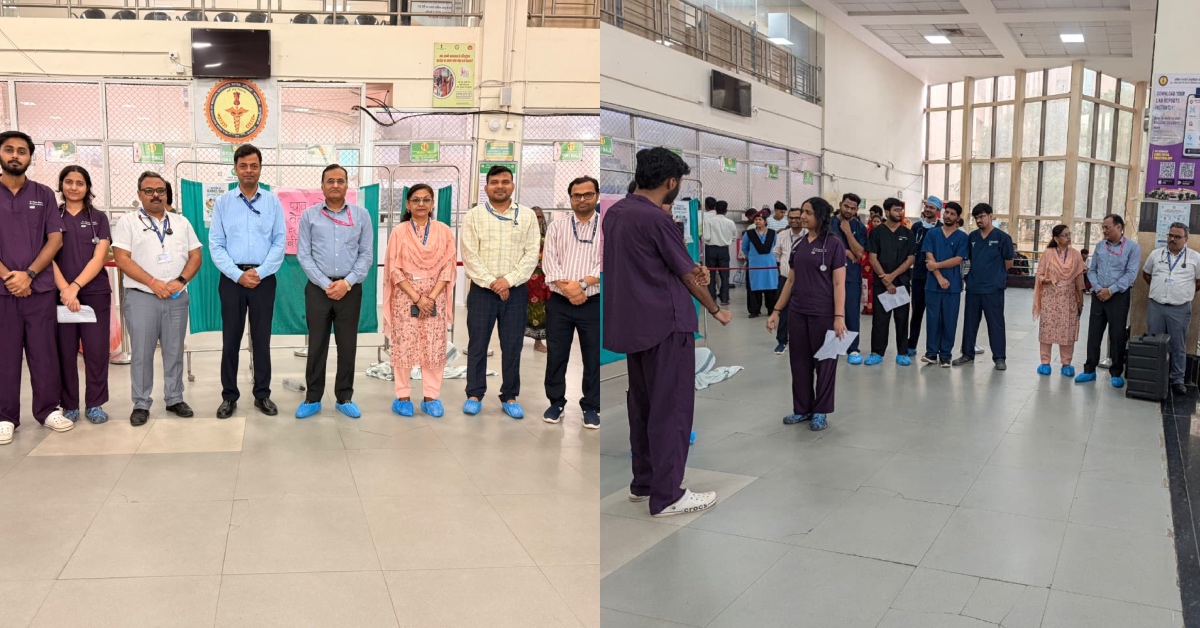
Patna, September 24: The Department of Emergency Medicine at AIIMS Patna organised a special rabies awareness programme on Thursday, using a Nukkad Natak (street play) to educate patients and attendants about the importance of timely action following an animal bite.

Doctors from the department presented the street play at the OPD foyer, addressing common misconceptions about rabies and demonstrating the immediate steps that should be taken after a dog bite or scratch.
The doctors advised that an animal-bite wound should be washed thoroughly with soap and running water for at least 15 minutes, followed by immediate medical consultation and appropriate post-exposure prophylaxis.

9.1 Million Animal-Bite Cases In India Annually
The scale of animal bites in India highlights the importance of public awareness.
According to estimates published in 2024 by the ICMR-National Institute of Epidemiology, India records around 9.1 million animal-bite incidents every year, with more than three-fourths reportedly caused by dogs.
The estimates also put the number of annual human rabies deaths in India at approximately 5,726.
Globally, the World Health Organization (WHO) estimates that rabies causes around 59,000 human deaths every year. More than 95% of these deaths occur in Africa and Asia, while dogs are responsible for up to 99% of human rabies transmissions.
Rabies Preventable With Timely Action
Rabies is a vaccine-preventable disease, but it becomes extremely dangerous once clinical symptoms appear.
WHO states that prompt wound management and timely access to quality-assured post-exposure prophylaxis can prevent human rabies deaths in almost all cases.
The AIIMS Patna awareness programme therefore focused on ensuring that animal bites are not ignored or treated solely with home remedies.
AIIMS Patna Leadership Attends Programme
Prof. (Brig.) Dr. Raju Agarwal, Executive Director and CEO, AIIMS Patna, attended the programme as the chief guest.
He appreciated the initiative and highlighted the importance of taking accurate and practical health information directly to patients and the wider community.
He also stressed that awareness and timely medical intervention are crucial in preventing deaths from rabies.
Medical Superintendent Prof. Dr. Prashant Kumar Singh and Dean Academics Prof. Dr. Punam Prasad Bhadani were also present.
Emergency Medicine Department Leads Awareness Drive
The programme was organised under the leadership of Dr. Divendu Bhushan, Head of the Department of Emergency Medicine.
Doctors and healthcare professionals from the department participated in the awareness initiative and used the street play to communicate basic preventive measures in an accessible format.
The programme delivered a simple message to patients and attendants: an animal bite should not be ignored. Thorough wound washing followed by timely medical consultation and appropriate post-exposure treatment can help prevent rabies from becoming fatal.