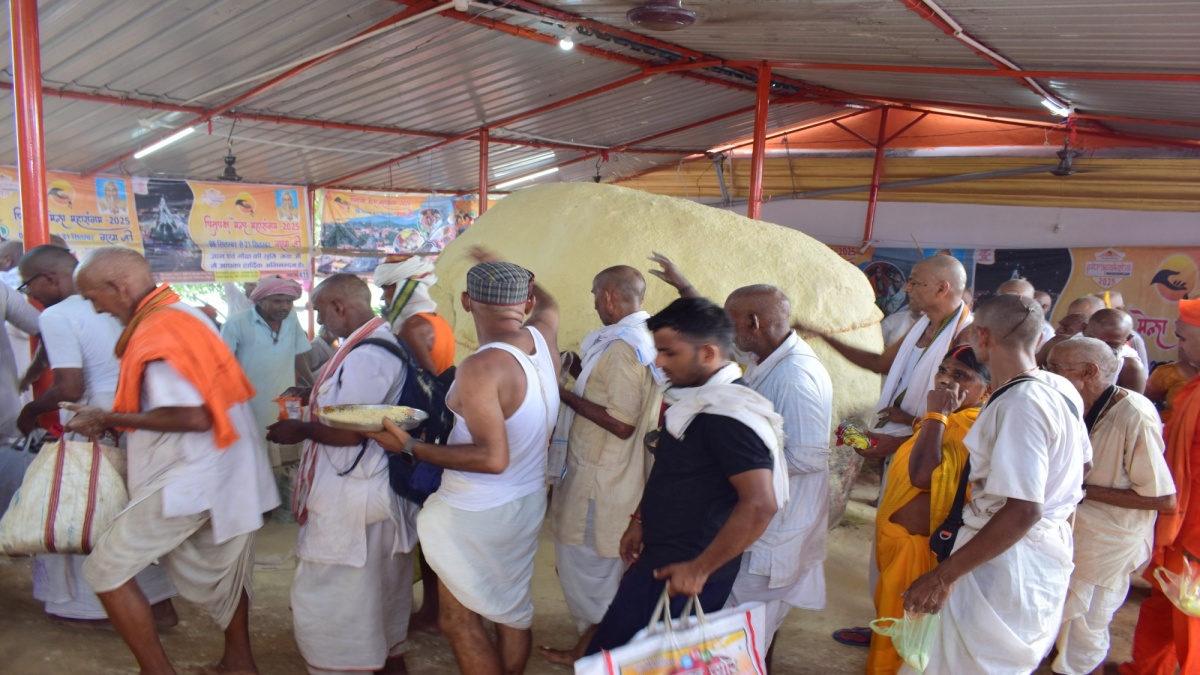
Gaya/Patna: The third day of the world-famous Pitru Paksha Mela holds special significance in the Gaya Shraddh tradition, with devotees performing Pind Daan at four designated vedis or sacred altars.

According to local religious tradition, the rituals performed at these four sites are believed to liberate ancestors who have entered Pret-yoni, or the spirit realm, and enable them to attain Brahma-loka, the abode of Lord Brahma.
The day is considered particularly significant for performing Shraddh rituals for ancestors who are believed to have died untimely deaths.

Rituals At Four Sacred Altars
A Gayapal Panda said the lunar day of Ashwin Krishna Pratipada marks the second day of the Gaya Shraddh rituals and the third day of the Pitru Paksha Mela.
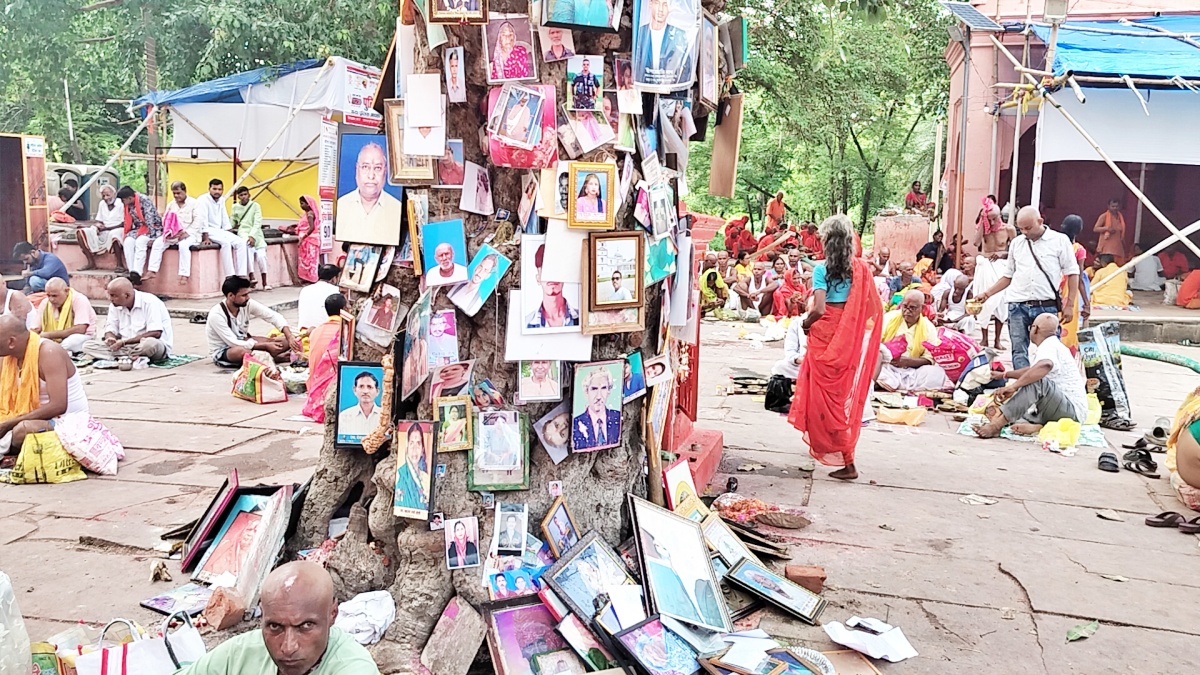
On this day, the prescribed sequence of rituals includes Pind Daan at Pretshila, Ramkund, Ramshila and Kakbali.
According to the tradition, completing the Shraddh rituals at these four sites is believed to provide liberation to wandering souls and enable them to proceed to Brahmalok.
Significance For Untimely Deaths
The rituals are considered especially important for ancestors whose deaths were regarded as untimely.
According to the Gayapal Panda, such deaths include those resulting from road accidents, drowning, murder, burning, suicide or poisoning. Traditional belief holds that ancestors who die in such circumstances enter Pret-yoni.
On this day, devotees offer Pinds prepared from flour and rice, with the ritual believed to provide permanent liberation from this state.
Holy Dip At Brahmakund
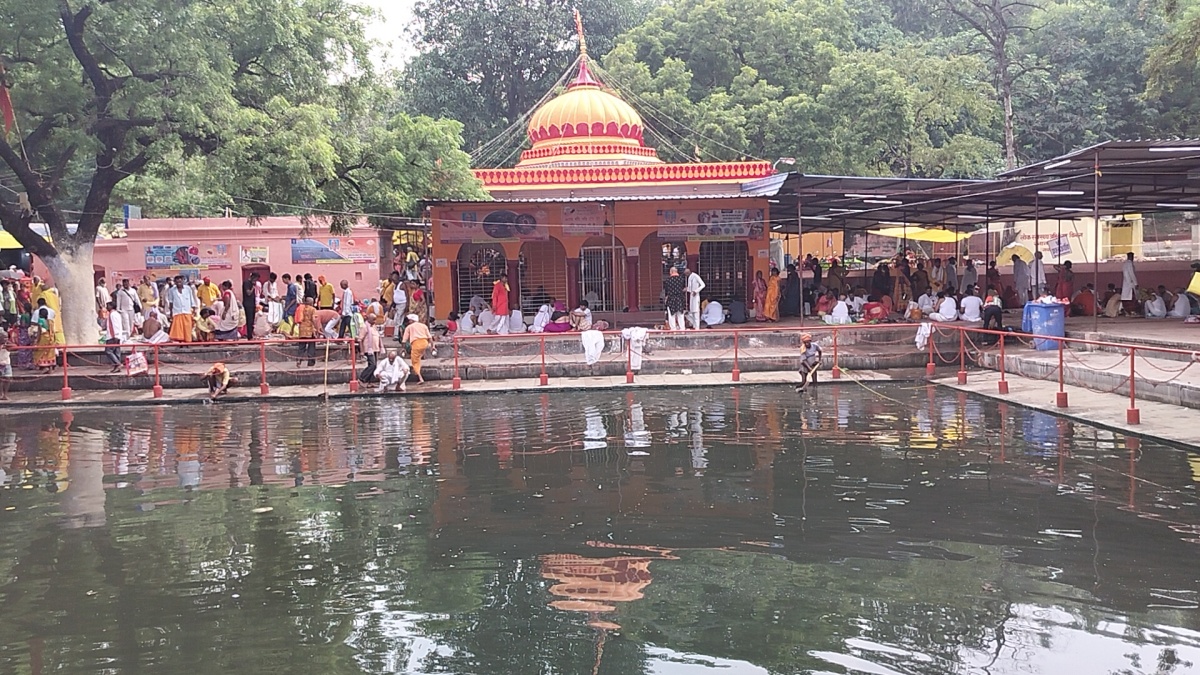
The day’s rituals begin with a bath at the sacred Brahmakund Sarovar.
“Before commencing the Pind Daan on this day, it is mandatory to bathe in the sacred Brahmakund Sarovar. This holy tank was created through the direct blessings of Lord Brahma. One proceeds to the main altars for Pind Daan only after bathing and performing Tarpan at the Brahmakund Sarovar,” the Gayapal Panda said.
After the ritual bath and Tarpan, pilgrims proceed to the designated altars to perform the prescribed Shraddh and Pind Daan rituals.
Gaya Fills With Pilgrims
The Pitru Paksha Mela has brought large numbers of Pind-daanis to Gaya, with devotees performing ancestral rituals at different sacred sites across the city.
According to the Gayapal Panda, more than two lakh pilgrims had arrived in Gaya by the second day of the mela. Devotees from across India and abroad are continuing to arrive in the city.
The pilgrimage season has transformed the Gaya-ji Dham into a major gathering of devotees observing ancestral rites according to their respective traditions.
A Tradition Rooted In The Puranas
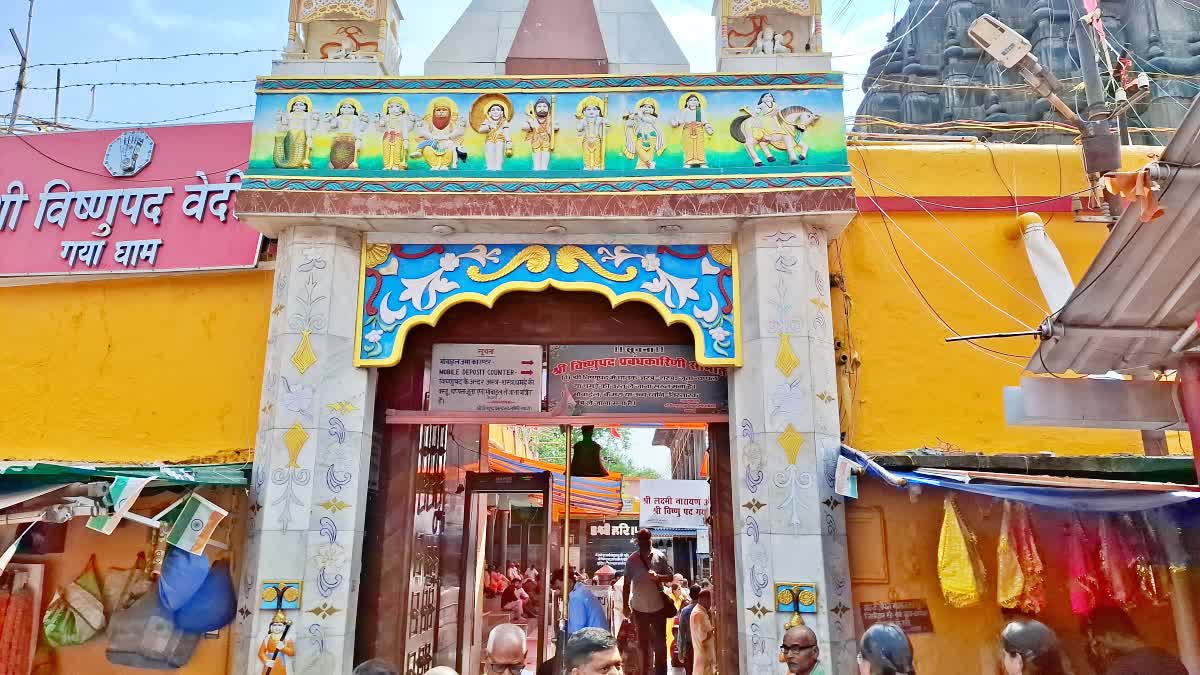
According to the Gayapal Panda, the religious significance of Gaya dates back to ancient times. The Puranas and scriptures describe the sacred land as a place where Lord Vishnu himself resides.
The tradition also associates Gaya with Lord Shri Ram, who is believed to have visited Gaya-ji Dham during the Treta Yuga. According to the account, Lord Ram bathed at Brahmakund Sarovar before performing Shraddh rituals for his ancestors at different altars, including Pretshila.
Scriptural Significance Of The Four Altars
The Gayapal Panda said the Vayu Purana and Sanatan scriptures describe the significance of performing Shraddh at the four designated altars on Ashwin Krishna Pratipada, the first day of the dark fortnight of the month of Ashwin.
The rituals at these sites are regarded as particularly meritorious in the Gaya Shraddh tradition.
According to the belief cited by the priest, just as Lord Vishnu brings Yajnas to fruition, Shraddh and Pind Daan performed at Gayaji Dham are believed to bestow lasting spiritual merit upon devotees.
For pilgrims gathered in Gaya during Pitru Paksha, the four-vedi ritual therefore represents another significant stage in a pilgrimage centred on remembrance, ancestral duty and the traditional quest for liberation.