
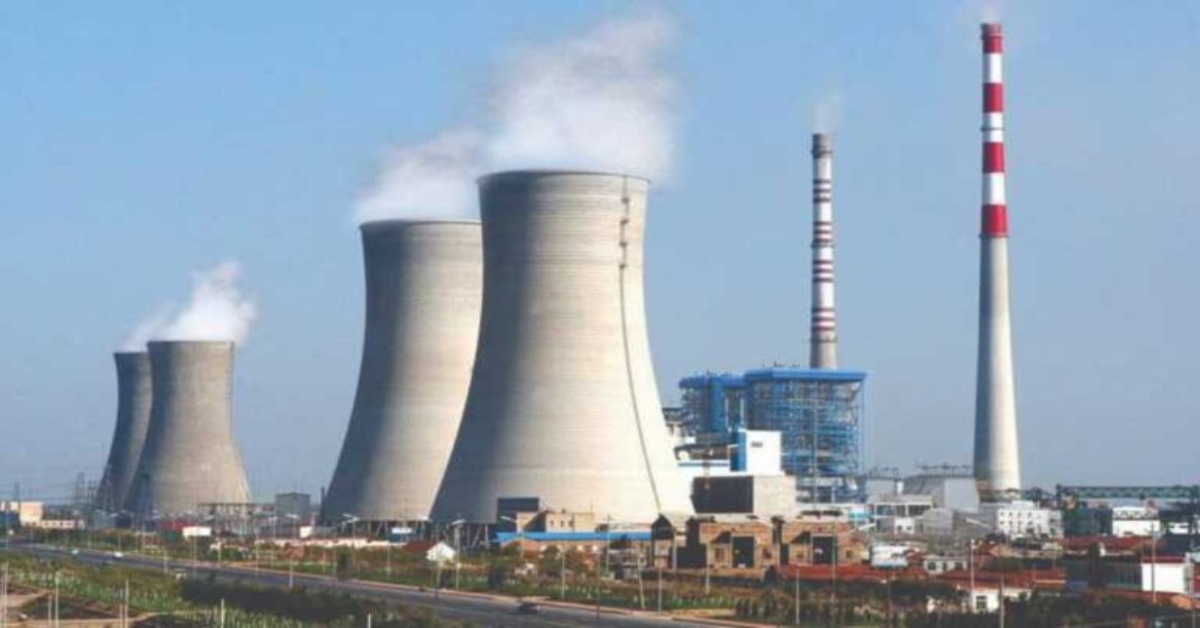
Patna : The capacity of the under-construction Pirpainti ultra-supercritical thermal power project in Bhagalpur district has been increased from 2,400 MW to 4,800 MW. Adani Power Limited, which is developing the project, plans to add three more generating units to the three units currently under construction.

The expansion would double the planned generation capacity of the project and increase its potential contribution to Bihar’s electricity supply and India’s broader energy requirements.
The project is being developed in a designated area covering Sirmatpur, Harinkol, Mundwa (Tundwa), Sundarpur and surrounding villages in the Pirpainti area of Bhagalpur district.

Three Additional Units Planned Under Expansion
The Pirpainti thermal power plant was initially planned with a capacity of 2,400 MW across three units. Under the expanded plan, another 2,400 MW will be added through three additional units, taking the proposed total to 4,800 MW across six units.
The additional units are planned as part of the project’s second phase. The expansion will require further regulatory and environmental procedures before it can proceed.
The increased capacity is intended to strengthen electricity generation capacity as demand for power continues to grow.
10,000–12,000 Direct Jobs Expected During Construction
The expansion is expected to create employment opportunities during the construction phase.
According to the report, an estimated 10,000–12,000 people could receive direct employment during construction. The scale and duration of these opportunities will depend on the implementation schedule and construction requirements.
Once operational, the expanded plant is expected to contribute to electricity generation. The project may also generate indirect economic activity through demand for transport, construction materials, services and other local supplies, although the report does not provide a separate estimate for such employment.
Environmental Clearance Process Underway
Adani Power officials have initiated procedures for the proposed expansion. According to the report, company representative R. N. Shukla submitted a Terms of Reference (ToR) application to the Union Ministry of Environment, Forest and Climate Change.
The application and other project-related documents were reportedly submitted on August 24, 2026.
The proposed second phase is being presented as part of the wider national objective of achieving Viksit Bharat 2047. However, the expansion remains subject to the applicable approval process, and the submission of an application should not be taken as confirmation that all required clearances have been granted.
Additional 42 Million Cubic Metres Of Water Sought From Ganga
The expansion will also increase the plant’s water requirements. Adani Power has therefore sought an additional annual allocation of 42 million cubic metres of water from the Ganga, according to the report.
Company official S. K. Bhardwaj reportedly wrote to the chief engineer of the Flood Control Division in Patna on August 10, 2026, requesting the additional allocation.
The Bihar government’s Water Resources Department and the Central Water Commission had previously allocated 42 million cubic metres of water annually for the original 2,400 MW project, the report said.
The company is now seeking an equivalent additional allocation to support the proposed 2,400 MW expansion. The request will need to be considered through the relevant water-allocation process.
What The Expansion Means For Bihar
The proposed increase in capacity would make Pirpainti a significantly larger power-generation project than originally planned. It could add to the state’s available generation capacity and support wider electricity demand, depending on commissioning timelines and how the power is allocated.
The expansion also brings additional requirements involving environmental approvals, water availability and construction planning.
For residents of the Pirpainti area, the anticipated employment opportunities are a key potential benefit. The project’s broader impact will depend on the progress of construction, the completion of regulatory procedures and the eventual commissioning of all six units.
With the capacity now planned at 4,800 MW, the next steps will include progressing the expansion proposal, securing the necessary approvals and addressing the additional resource requirements for the second phase.