
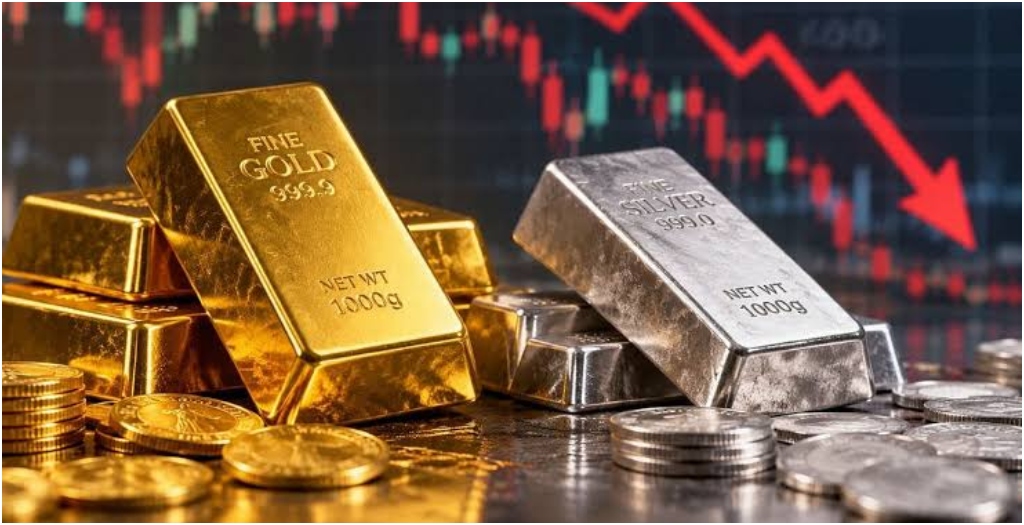
Patna: Gold prices fell on October 26, with the rate of 24-carat gold declining by around Rs 340 to Rs 1,41,290 per 10 grams, according to the India Bullion and Jewellers Association (IBJA).

Silver prices moved in the opposite direction, rising by Rs 635 to Rs 1,95,050 per kilogram.
The latest rates come as consumers track precious metal prices before making jewellery purchases. Buyers are advised to check the prevailing rates and verify the purity of gold before completing a transaction.

Gold And Silver Price Trends
IBJA data show that gold prices have fluctuated considerably over the past several months. The price of 24-carat gold stood at Rs 1,33,195 per 10 grams on December 31, 2025, before rising to Rs 1,65,795 on January 31, 2026.
Gold prices subsequently declined to Rs 1,50,997 on February 28 and Rs 1,46,733 on March 31. The rate stood at Rs 1,50,263 on April 30 and Rs 1,56,463 on May 31.
The price fell to Rs 1,41,286 on June 30 before fluctuating through July, August and September. On September 30, the rate was Rs 1,48,379 per 10 grams.
Silver prices also recorded fluctuations during the period. The metal was priced at Rs 2,30,420 per kilogram on December 31, 2025, rising to Rs 3,39,350 on January 31, 2026, before declining in subsequent months.
On September 30, silver was priced at Rs 2,22,273 per kilogram, compared with Rs 1,95,050 on October 26.
What Buyers Should Check Before Purchasing Gold
Consumers should verify the purity and price of gold before buying jewellery. Two important precautions can help buyers make informed decisions.
1. Check the BIS hallmark
Buy gold jewellery bearing a valid Bureau of Indian Standards (BIS) hallmark. Hallmarked jewellery carries information that helps establish its declared purity.
Consumers should check the hallmark details and the associated six-character alphanumeric Hallmark Unique Identification (HUID) code, where applicable, rather than relying solely on a stamp or the seller’s verbal assurance.
2. Verify the day’s gold rate
Check the prevailing gold price through reliable sources, including the IBJA website, before purchasing jewellery. Rates differ according to purity, with 24-carat, 22-carat and 18-carat gold carrying different prices.
Buyers should also confirm the jewellery’s net gold weight, making charges and applicable taxes before paying.
Four Ways To Check Silver Authenticity
Consumers can use several preliminary checks to assess silver, although these methods cannot conclusively establish its purity.
– Magnet test: Pure silver is not strongly attracted to a magnet. However, some counterfeit items may also pass this test, so it should not be used as the sole indicator of authenticity.
– Ice test: Silver conducts heat efficiently, which can cause ice placed on it to melt quickly. The result can vary depending on the object’s temperature, size and surroundings.
– Smell test: Pure silver is generally odourless. A noticeable metallic smell may indicate other materials, but smell alone cannot determine authenticity.
– Cloth test: Rubbing silver with a soft white cloth may leave a black mark caused by tarnish. However, the absence or presence of such a mark is not a definitive purity test.
For a more reliable assessment, consumers should seek professional testing or purchase silver from a reputable seller who provides appropriate purity and purchase documentation.
What Consumers Should Keep In Mind
Gold and silver prices can change daily. Before purchasing either metal, buyers should compare current rates, verify purity markings and obtain a detailed bill showing the weight, price and applicable charges.
IBJA rates are reference bullion prices and may differ from the final retail price charged by a jeweller because of making charges, taxes and other applicable costs.