Patna : The Department of Psychology at Patna Women’s College (Autonomous), Patna University, is hosting a three-day international conference, NABSCON 2026, from October 29 to 31 in collaboration with the Neuro and Biofeedback Society (NABS), New Delhi.

The conference brings together academics, clinical experts and participants to discuss developments in psychology, including neuro and biofeedback therapy, the relationship between loneliness and the brain, and the applications of artificial intelligence in forensic psychology.
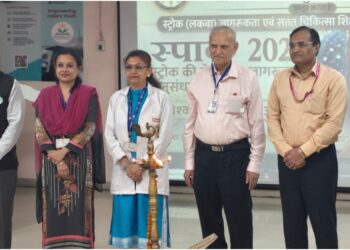
The inaugural programme on October 29 began with a welcome address and the ceremonial lighting of the lamp in the presence of distinguished guests and resource persons.

Bihar Minister Ashok Choudhary Attends Inaugural Session
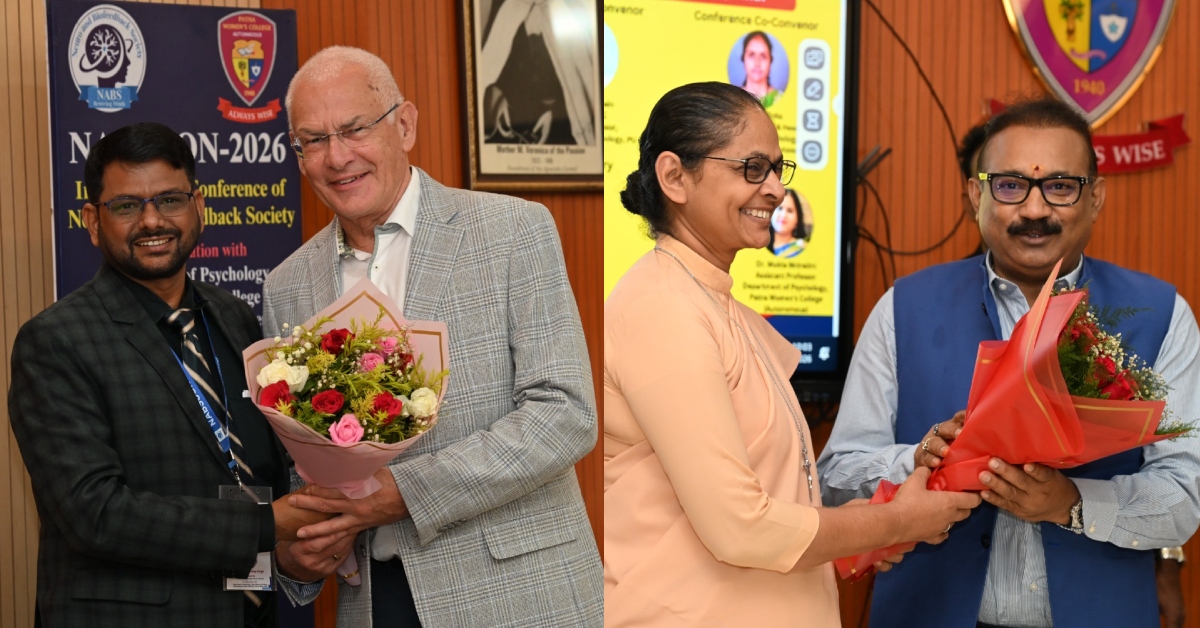
The inaugural session was attended by Bihar Food and Consumer Protection Minister Ashok Choudhary as the chief guest. Dr Sister M. Tanisha, A.C., served as the patron, while Dr Rüdiger Schellenberg, head of the Dr Schellenberg Institute for Integrated Medicine and Science, Germany, attended as the special guest.
Dr Anand Pratap Singh, president of the Neuro and Biofeedback Society, chaired the conference. Dr Shruti Narain, assistant professor in the Department of Psychology at Patna University, served as the convenor, while Dr Nupur Sinha, assistant professor and head of the Department of Psychology at Patna Women’s College, was the co-convenor.
Addressing the gathering, Choudhary praised the college’s contribution to women’s education and expressed the hope that it would become a deemed-to-be university in the future.
The principal of Patna Women’s College presented the institution’s vision and highlighted the importance of academic collaborations. Dr Anand Pratap Singh outlined the work of the Neuro and Biofeedback Society and the objectives of NABSCON 2026.
Dr Shruti Narain delivered the welcome address, while Dr Nupur Sinha moderated the session. Akriti Varshney, general secretary of NABS and head and consultant clinical psychologist at Shanti Home, delivered the vote of thanks.
The inaugural proceedings concluded with the National Song and the National Anthem.
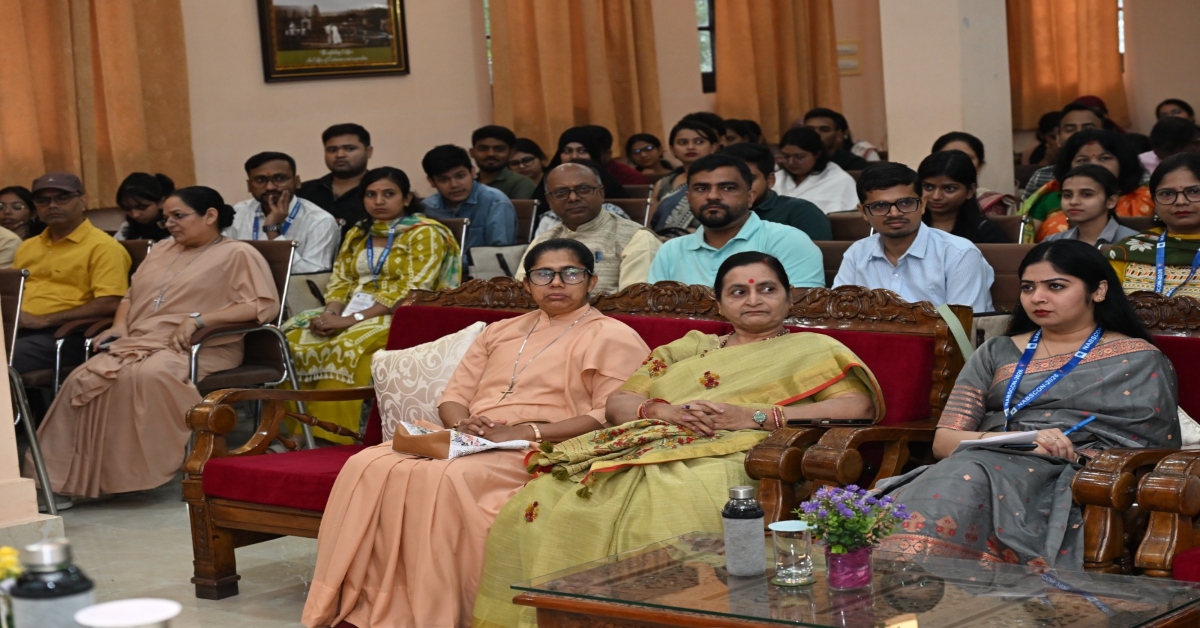
Dr Rüdiger Schellenberg Explains Clinical Applications Of Biofeedback
The first technical session focused on “Neuro and Biofeedback Therapy: Clinical Application and Practical Demonstration.” It was chaired by Dr Anand Pratap Singh, with Dr Rüdiger Schellenberg serving as the resource person.
Schellenberg explained how biofeedback enables individuals to observe and regulate certain bodily responses through physiological signals. He discussed the use of measurements such as electroencephalography (EEG), which records electrical activity in the brain, and skin conductance level (SCL), which can reflect changes associated with physiological arousal.
He also referred to the development of brain mapping and explained how biofeedback techniques can help individuals recognise stress responses and practise relaxation.
A participant took part in a practical demonstration, allowing attendees to observe how the technique works and better understand its clinical applications.
The session combined theoretical explanations with a practical component, helping participants explore the potential uses of neuro and biofeedback in psychological assessment and therapy.
Session Examines The Neurobiology Of Loneliness
Another technical session explored the “Neurobiology of Loneliness”, with Rajesh Kumar delivering the presentation and Dr Rüdiger Schellenberg chairing the session.
The discussion examined loneliness from a neurobiological perspective, focusing on its relationship with brain processes. The session offered participants an opportunity to consider how psychological experiences can be studied through the functioning of the brain.
The topic formed part of the conference’s broader focus on connecting psychological research with developments in neuroscience and clinical practice.
AI In Forensic Psychology And Its Evidentiary Challenges
The fourth technical session addressed “AI in Forensic Psychology: Applications, Evidentiary Challenges, Ethical Considerations, and Future Directions.”
Dr Dipika Bhandari delivered the session, which was chaired by Dr Ashfia Nishat. The discussion examined the potential applications of artificial intelligence in forensic psychology, alongside concerns about the reliability and admissibility of AI-generated information as evidence.
The session also considered ethical questions surrounding the use of AI and the challenges that may arise as the technology becomes more widely applied in forensic settings.
Participants had the opportunity to explore both the potential benefits of emerging technologies and the need for careful consideration of their limitations and ethical implications.
Conference Continues Through October 31
NABSCON 2026 is scheduled to continue through October 31, providing a platform for experts, academics and participants to exchange knowledge and discuss emerging areas of psychological research and practice.
The sessions covered in the conference highlight the growing intersection of psychology with neuroscience, clinical interventions and artificial intelligence.
Through its collaboration with the Neuro and Biofeedback Society, Patna Women’s College aims to facilitate academic exchange and expose participants to current discussions and practical approaches in the field of psychology.