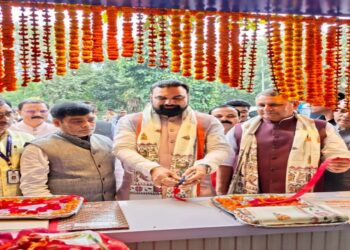
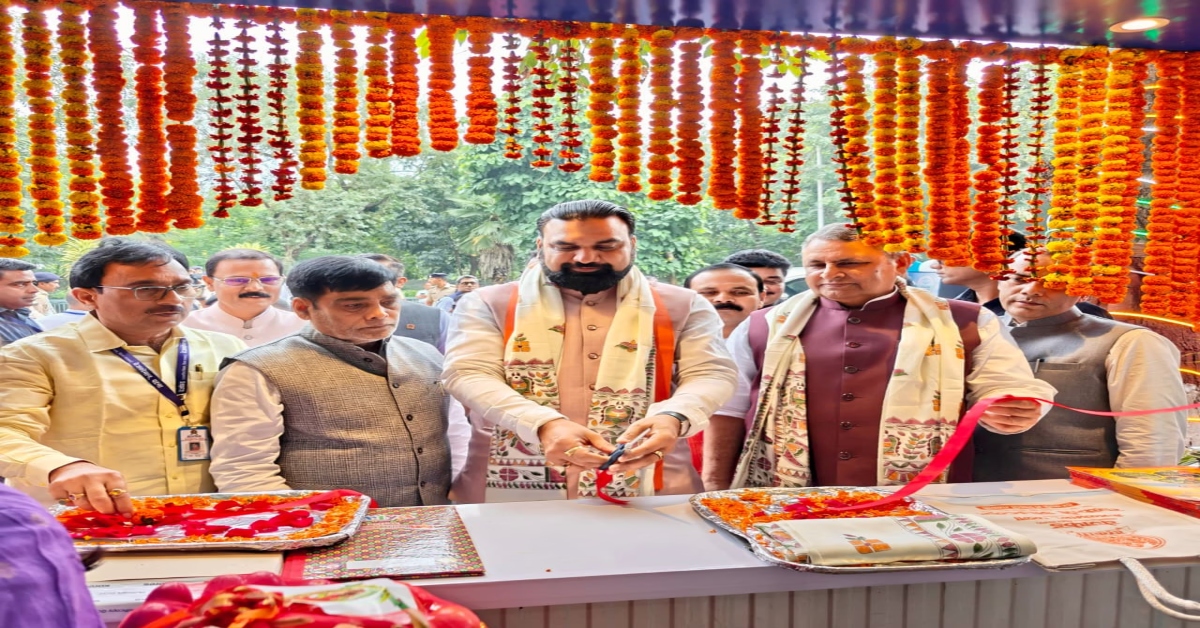
Patna: Bihar Chief Minister Samrat Choudhary on Sunday inaugurated the state’s first Tarkari Outlet near Gate No. 2 of Patna Zoo, launching an initiative to supply fresh vegetables to consumers at reasonable prices while providing vegetable farmers with better market access.

The outlet is operated by the Bihar State Vegetable Processing and Marketing Cooperative Federation Limited (VEGFED). The initiative aims to establish a direct link between vegetable producers and consumers, reducing the role of intermediaries in the supply chain.
The state government plans to establish 200 Tarkari Outlets in the first phase, with each unit estimated to cost Rs 7.44 lakh.

Samrat Choudhary Highlights Farmers’ Income And Affordable Vegetables
Inaugurating the outlet, Chief Minister Samrat Choudhary said the state government was committed to improving farmers’ incomes and ensuring that consumers could purchase fresh, hygienic and quality vegetables at reasonable prices.
He said the initiative would provide vegetable-producing farmers with better market opportunities while making quality produce more accessible to consumers.
The programme is intended to strengthen agricultural marketing by connecting farmers with retail outlets and creating additional opportunities to sell their produce.
The government expects the initiative to benefit both farmers and consumers through improved market access and the availability of fresh vegetables at fair prices.
Direct Procurement To Reduce The Role Of Middlemen
Cooperation Minister Ram Kripal Yadav said vegetables would be procured directly from vegetable farmers and producer groups through the outlets.
The direct procurement model is intended to reduce dependence on intermediaries and improve the connection between producers and consumers. It is also expected to provide farmers with more direct access to retail markets.
According to the minister, the outlets will offer fresh, quality vegetables at reasonable rates while creating market and employment opportunities for vegetable producers.
The effectiveness of the model will depend on procurement arrangements, regular supplies and pricing practices at individual outlets.
200 Tarkari Outlets Planned In First Phase
The state government is preparing to establish 200 Tarkari Outlets under the first phase of the initiative.
Each outlet will have a designated size of 15 feet by 10 feet, with an estimated construction cost of Rs 7.44 lakh per unit.
The outlets are being developed under VEGFED’s initiative to strengthen vegetable marketing and expand access to organised retail facilities.
The complete list of proposed locations and the schedule for opening all 200 outlets have not yet been announced in the reported details.
More Outlets Planned In Patna
The government is also planning to open similar outlets in parks within the Patna Municipal Corporation area.
According to Cooperation Minister Ram Kripal Yadav, outlets are expected to open soon at the Officers’ Flats in Gardanibagh and the Officers’ Quarters in Shastri Nagar.
These locations would expand access to the initiative in different parts of the city, providing additional points where residents could purchase vegetables.
The proposed expansion is also expected to create more retail opportunities for farmers and vegetable-producing groups.
Initiative Aims To Strengthen Bihar’s Vegetable Marketing Network
The Tarkari Outlet programme forms part of the state government’s broader efforts to improve agricultural marketing and support vegetable-producing farmers.
By procuring produce directly from farmers and selling it through cooperative outlets, the initiative aims to shorten the supply chain and improve access to organised markets.
Consumers are expected to benefit from convenient access to fresh vegetables at reasonable prices, while farmers could gain additional opportunities to market their produce.
With the first outlet inaugurated near Patna Zoo, the planned expansion to 200 units marks the next stage of the initiative. Its long-term impact will depend on the rollout of the outlets, the availability of fresh produce and the effectiveness of direct procurement and pricing arrangements.