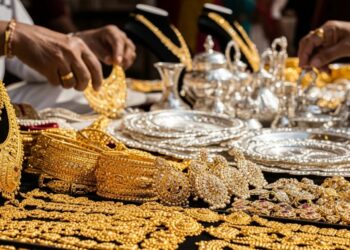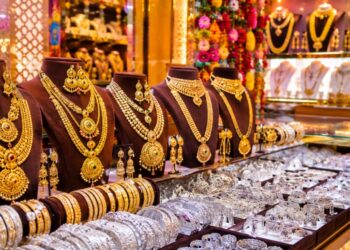

Patna: Gold and silver prices recorded an increase in the domestic bullion market on November 10, 2026, following the Diwali festival. According to the India Bullion and Jewellers Association (IBJA), the price of 10 grams of 24-carat gold rose by Rs 968, reaching approximately Rs 1.42 lakh.

Silver prices also moved higher, with the rate of one kilogram increasing by Rs 3,132 to approximately Rs 1.86 lakh.
The latest increase follows a decline in the prices of both precious metals on Dhanteras, November 6. Gold and silver have witnessed considerable fluctuations during 2026, with their current prices remaining below the peaks recorded in January.

Gold Gains Rs 968, Silver Becomes Costlier By Rs 3,132
According to the reported IBJA figures, 24-carat gold is trading at approximately Rs 1.42 lakh per 10 grams after gaining Rs 968.
Silver has also recorded an increase of Rs 3,132 per kg, taking its price to around Rs 1.86 lakh.
On November 6, the last trading day before the latest reported increase, gold was priced at approximately Rs 1.41 lakh per 10 grams, while silver stood at around Rs 1.83 lakh per kg.
The latest movement comes after both metals became cheaper on Dhanteras. On November 6, gold prices had declined by Rs 2,677 to approximately Rs 1.41 lakh per 10 grams. Silver had fallen by Rs 4,432 to around Rs 1.83 lakh per kg.
Why Gold Prices Differ Across Cities
Gold prices are not necessarily identical across Indian cities. Differences in transportation expenses, local demand, jewellery market practices and the purchase costs of existing stock can influence the rates offered by jewellers.
Four major factors contribute to variations in gold prices:
- Transportation And Security Costs
Moving gold between cities involves transportation, insurance and security expenses. These additional costs can influence the final selling price in different markets.
- Differences In Purchase Volumes
Jewellers in different regions purchase gold in varying quantities depending on local demand. Large-scale purchases and regional consumption patterns can influence procurement costs and pricing decisions.
- Local Jewellery Associations
Jewellery associations in different cities and states may issue or follow local market rates based on demand, supply and prevailing trading conditions.
- Existing Stock And Purchase Prices
Jewellers also consider the prices at which they acquired their existing gold inventory. Consequently, the rates offered to customers may differ between shops and locations.
Silver Remains Nearly Rs 2 Lakh Below Its January Peak
Despite the latest increase, silver continues to trade significantly below its reported all-time high of Rs 3.86 lakh per kg, recorded on January 29, 2026.
According to the reported figures, silver was priced at Rs 2.30 lakh per kg on December 31, 2025. It subsequently climbed to approximately Rs 3.86 lakh on January 29 before witnessing a substantial correction.
At the latest reported rate of around Rs 1.86 lakh per kg, silver is nearly Rs 2 lakh below its January peak.
Gold has also experienced a significant decline from its reported January high. Its price increased from Rs 1.33 lakh per 10 grams on December 31, 2025, to approximately Rs 1.76 lakh on January 29, 2026.
At the current reported rate of around Rs 1.42 lakh per 10 grams, gold remains approximately Rs 34,000 below its January peak.
What Buyers Should Check Before Purchasing Gold
With gold prices fluctuating, customers should verify the prevailing rate and purity before purchasing jewellery. Checking hallmarking details, weight and additional charges can help buyers understand the final cost.
Buy BIS-Hallmarked Gold
Customers should purchase jewellery carrying the Bureau of Indian Standards (BIS) hallmark. The hallmark provides information about the purity of gold.
Check The Gold Rate And Weight
Gold prices differ according to purity, with separate rates for 24-carat, 22-carat and 18-carat gold.