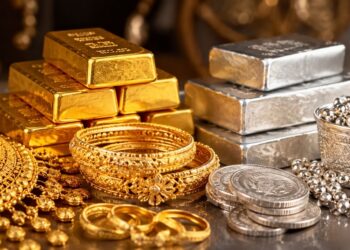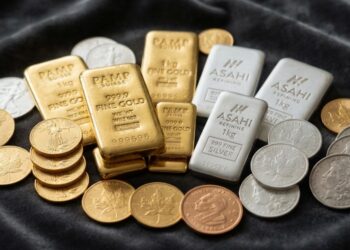

New Delhi : Gold and silver prices witnessed a sharp decline on Dhanteras 2026, with both precious metals becoming cheaper on November 6. According to the India Bullion and Jewellers Association (IBJA), 24-carat gold fell by Rs 3,106 to approximately Rs 1.41 lakh per 10 grams.

Silver prices also recorded a significant drop, declining by Rs 5,437 to around Rs 1.81 lakh per kg. On the previous day, gold was priced at approximately Rs 1.44 lakh per 10 grams, while silver was trading at around Rs 1.87 lakh per kg.
The decline comes during the festive period when gold and silver purchases traditionally increase. However, the two precious metals have followed different price trends since the beginning of 2026, with gold recording an overall gain and silver witnessing a substantial fall.

Gold And Silver Prices Fall On Dhanteras
The latest IBJA figures show a considerable reduction in the prices of both precious metals compared with November 5.
- 24-carat gold: Down Rs 3,106 to approximately Rs 1.41 lakh per 10 grams.
- Silver: Down Rs 5,437 to approximately Rs 1.81 lakh per kg.
A day earlier, gold stood at around Rs 1.44 lakh per 10 grams, while silver was priced at approximately Rs 1.87 lakh per kg.
These figures represent benchmark rates reported by IBJA. Actual retail prices may vary across cities and jewellery shops due to local taxes, transportation costs, making charges and other applicable expenses.
Gold Gains Rs 8,000 In 2026, Silver Loses Nearly Rs 49,000
Despite the latest fall, gold remains more expensive than it was at the end of 2025. On December 31, 2025, the price of 10 grams of gold was approximately Rs 1.33 lakh. At around Rs 1.41 lakh on November 6, the metal has gained nearly Rs 8,000 so far in 2026.
Silver, in contrast, has recorded a substantial decline. Its price has fallen by nearly Rs 49,000 per kg, from approximately Rs 2.30 lakh on December 31, 2025, to around Rs 1.81 lakh on November 6.
Both precious metals had touched their reported all-time highs on January 29, 2026. Gold reached approximately Rs 1.76 lakh per 10 grams, while silver climbed to around Rs 3.86 lakh per kg.
Why Gold Prices Differ Across Cities
Gold prices are not identical across Indian cities. Differences in transportation expenses, local demand, supply conditions and jewellery market practices can influence the rates offered by retailers.
Four major factors contribute to these variations:
- Transportation and security costs: Moving gold between cities involves fuel, logistics and security expenses, which can affect the final selling price.
- Purchase volumes: Differences in the volume of gold purchased by jewellers across regions can influence procurement costs and pricing.
- Local jewellery associations: City- and state-level jewellery associations may announce rates based on local demand and supply conditions.
- Existing stock and purchase prices: The price at which a jeweller acquired existing inventory can also influence the rate offered to customers.
Two Things To Check Before Buying Gold
People planning to purchase gold jewellery during the festive season should verify its purity and compare the prevailing market rate before making a purchase.
- Check BIS Hallmark Certification
Buyers should look for the Bureau of Indian Standards (BIS) hallmark on gold jewellery. The hallmark provides information about the purity of the gold. Customers should also check the associated hallmark identification details to ensure the jewellery meets the required standards.
- Compare Gold Rates Before Purchasing
Gold prices differ according to purity, with separate rates for 24-carat, 22-carat and 18-carat gold. Buyers can check prevailing benchmark rates through sources such as the IBJA website and compare them with the prices quoted by jewellery retailers.