Patna: Completing tuberculosis (TB) treatment does not necessarily mean that a patient’s lungs have fully recovered. A study conducted by the All India Institute of Medical Sciences (AIIMS), Patna, has found that nearly three out of four patients continue to experience respiratory symptoms even after completing treatment for pulmonary TB.

Published in the international medical journal BMJ Open, the study found that 195 out of 256 adults (76.2%) reported persistent respiratory symptoms when assessed within one month of completing their treatment.
The findings highlight the need for continued lung health monitoring and medical support for TB survivors, even after they have completed their prescribed medication.

Cough And Breathlessness Common After TB Treatment
According to the study, cough was the most frequently reported respiratory complaint. Nearly half of the participants also experienced breathlessness while climbing stairs or walking uphill.
Investigations revealed that 239 participants (93.4%) had abnormalities in either chest CT scans or lung function tests (spirometry). Common findings included scarring of lung tissue and abnormal widening of the airways.
The findings indicate that some patients may continue to face lung-related complications after completing TB treatment and may require further medical evaluation.
Doctors Advise Follow-Up And Lung Health Monitoring
The study highlights that patients should not ignore persistent cough, breathlessness or reduced physical capacity after completing TB treatment.
Patients experiencing these symptoms should consult a pulmonary medicine specialist, who may recommend lung function tests or other investigations depending on their condition.
Gradually resuming physical activity, including walking and light exercise, can support recovery. Some patients may also benefit from pulmonary rehabilitation under medical supervision.
The study also stresses the importance of avoiding smoking, tobacco, dust and exposure to smoke. Patients should not restart medicines on their own without consulting a doctor.
Symptoms such as persistent cough, fever, unexplained weight loss or night sweats should prompt timely medical evaluation.
Study Finds Anxiety And Depression Among TB Survivors
The research also examined the psychological impact of tuberculosis and found elevated anxiety scores in 58.2% of participants, while 48% had elevated depression scores.
These findings underline the importance of addressing mental health alongside physical recovery. The researchers have highlighted that post-TB care should include attention to psychological well-being and quality of life.
AIIMS Patna Research Team Leads ICMR Project
The research was conducted under an Indian Council of Medical Research (ICMR) project led by Dr Dipendra Kumar Rai, Professor and Head of the Department of Pulmonary Medicine at AIIMS Patna. He served as the principal investigator and lead author of the study.
Dr Parul Sharma and Dr Upasna Sinha were the co-authors.
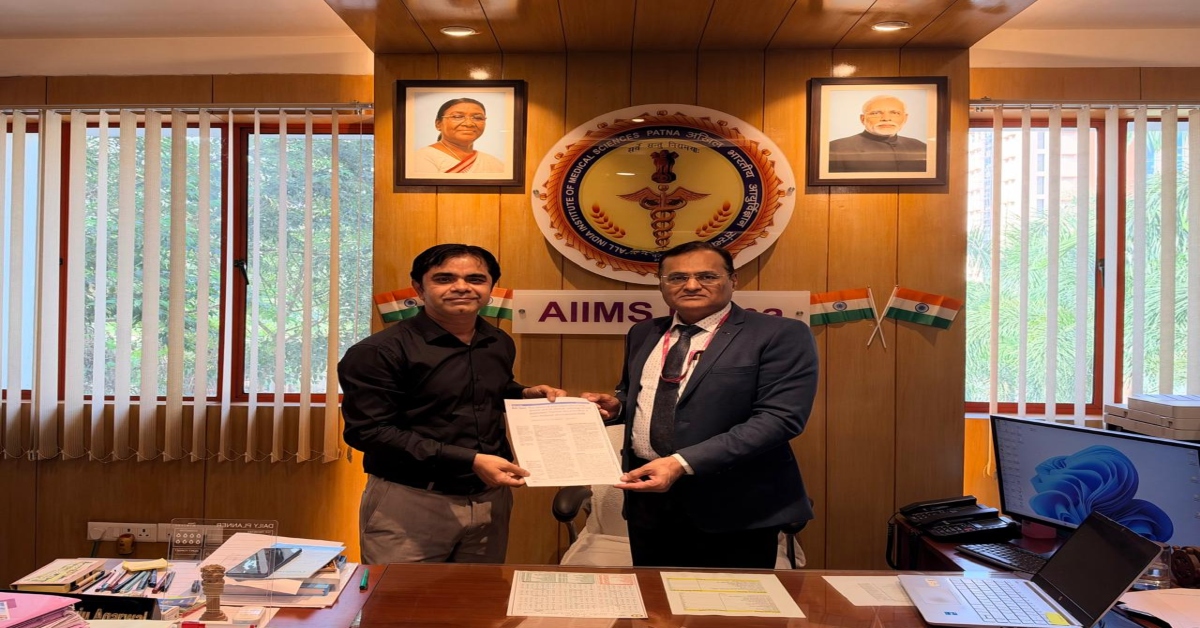
Prof. (Brig.) Dr Raju Agarwal, Executive Director and CEO of AIIMS Patna, congratulated the research team on the publication. He appreciated its contribution to understanding the health challenges faced by TB survivors and improving patient care beyond the completion of treatment.
The study emphasises that TB care should not end when patients complete their medication. Continued monitoring of lung function, attention to mental health and support for overall recovery are important to improving the long-term health and quality of life of TB survivors.