Patna: The Bihar government has ordered a tougher approach to enforcement of its liquor prohibition law, saying manufacturers could face criminal cases when liquor bearing their brands is seized in the state.

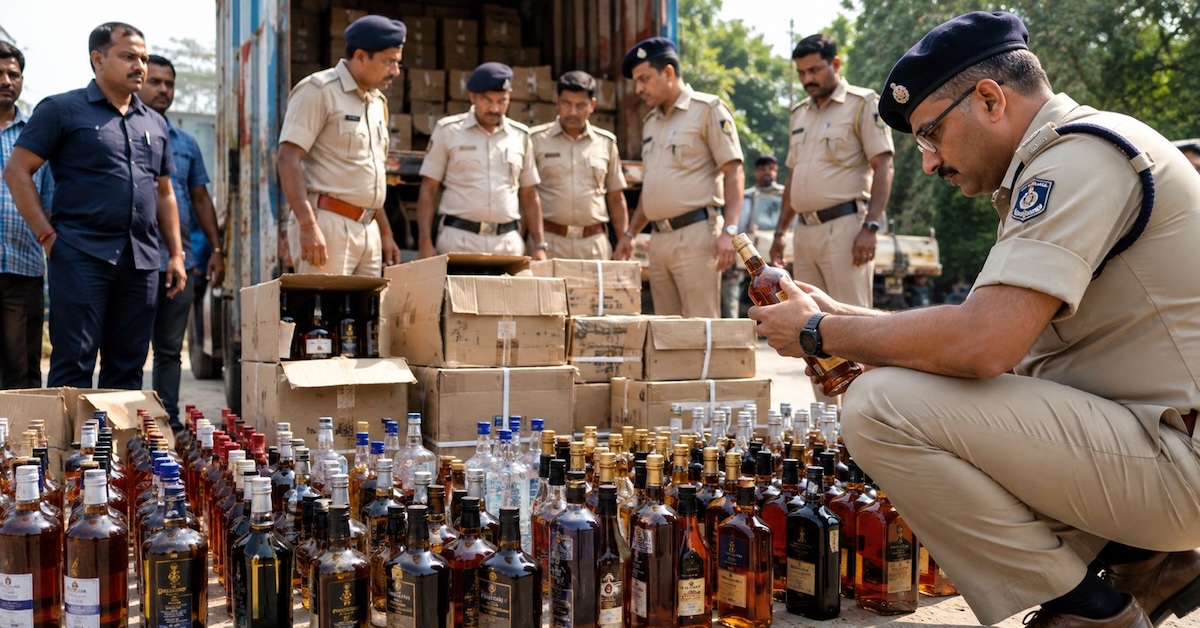
Prohibition, Excise and Registration Minister Madan Sahni said on Thursday that if Indian-Made Foreign Liquor (IMFL) manufactured by a particular company is seized in Bihar, an FIR will be registered against the company and legal action will follow. The company’s owner will also be named in the case, he said.
Sahni said instructions to this effect had been issued to prohibition officials and that the process had already begun. He cited a recent liquor seizure in Patna, saying an FIR had subsequently been registered against the manufacturing company.

No Change To Prohibition Law
Speaking at a press conference at the JD(U) office in Patna, Sahni said the government had no plans to amend the state’s prohibition law.
His comments come amid renewed debate over the effectiveness of Bihar’s liquor ban and calls from some quarters for changes to the policy.
Sahni said there was currently no need for a formal review or amendment, adding that the department conducts periodic assessments and had carried out its latest review last month.
The prohibition law has been in force in Bihar for about a decade. Sahni defended the policy, saying it had been introduced with the welfare of women, Dalits, tribal communities and Extremely Backward Classes in mind.
You may like to read this article as well:
Government Says Enforcement Is Intensifying
The minister said the government was continuing to take action against liquor smuggling and illegal sales and that anyone violating the law would face strict action.
He claimed that the volume of illicit liquor seized this year was higher than in the previous year, indicating an intensification of enforcement.
Sahni also said raids were being conducted against the illegal trade in synthetic drugs.
Claim Of Economic Benefits For Poor Families
Defending the prohibition policy, Sahni said daily-wage workers had previously spent a substantial portion of their earnings on alcohol, leaving their families with little money.
He claimed that the economic condition of such households had improved since prohibition was introduced.
The minister’s comments come as the state’s liquor ban remains a politically contested issue, with the government maintaining that the existing law will remain unchanged while simultaneously tightening enforcement against the illegal liquor trade.