Patna: Bihar’s senior power officials have instructed multiple agencies to accelerate work on major transmission projects after a comprehensive review held via video conference on Wednesday. The meeting examined the progress of 46 projects being implemented by 25 agencies under central and state funding.

The review was chaired by Manoj Kumar Singh, chairperson and managing director of the Bihar State Power Holding Company Limited (BSPHCL), alongside Rahul Kumar, managing director of the Bihar State Power Transmission Company Limited (BSPTCL), and other senior officials.
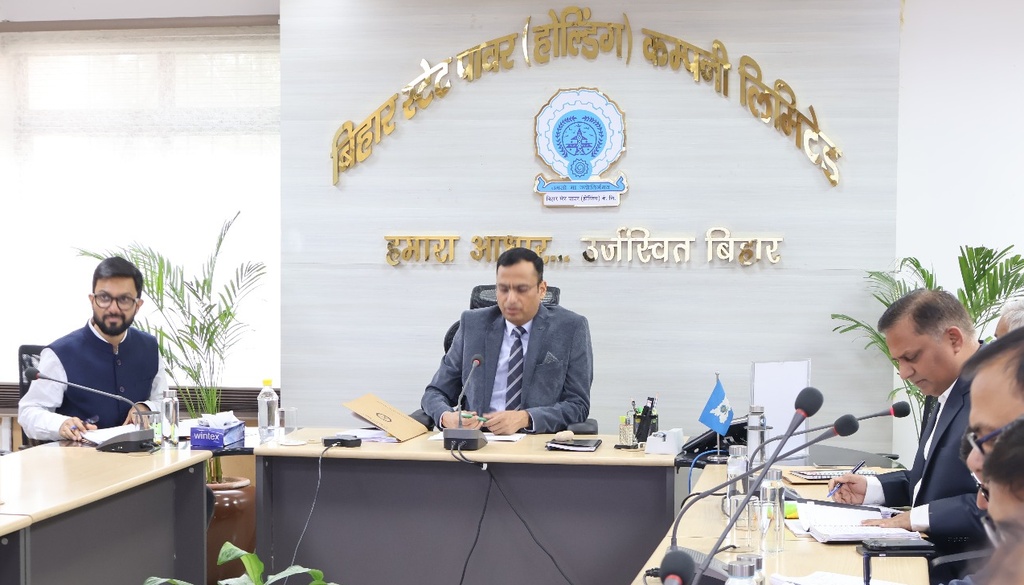

Singh emphasised that bottlenecks in land acquisition, right-of-way permissions and execution must be resolved without delay. He said all projects should move “in parallel” and be completed within their stipulated timelines, adding that any hold-up in land acquisition or implementation “will not be acceptable”.
A key focus of the meeting was the completion of ten grid substations promised under the chief minister’s Pragati Yatra initiative. Singh directed that these priority projects be finished at the earliest. He also stressed the timely completion of the PMCH grid station to ensure an uninterrupted power supply to the hospital and surrounding neighbourhoods.
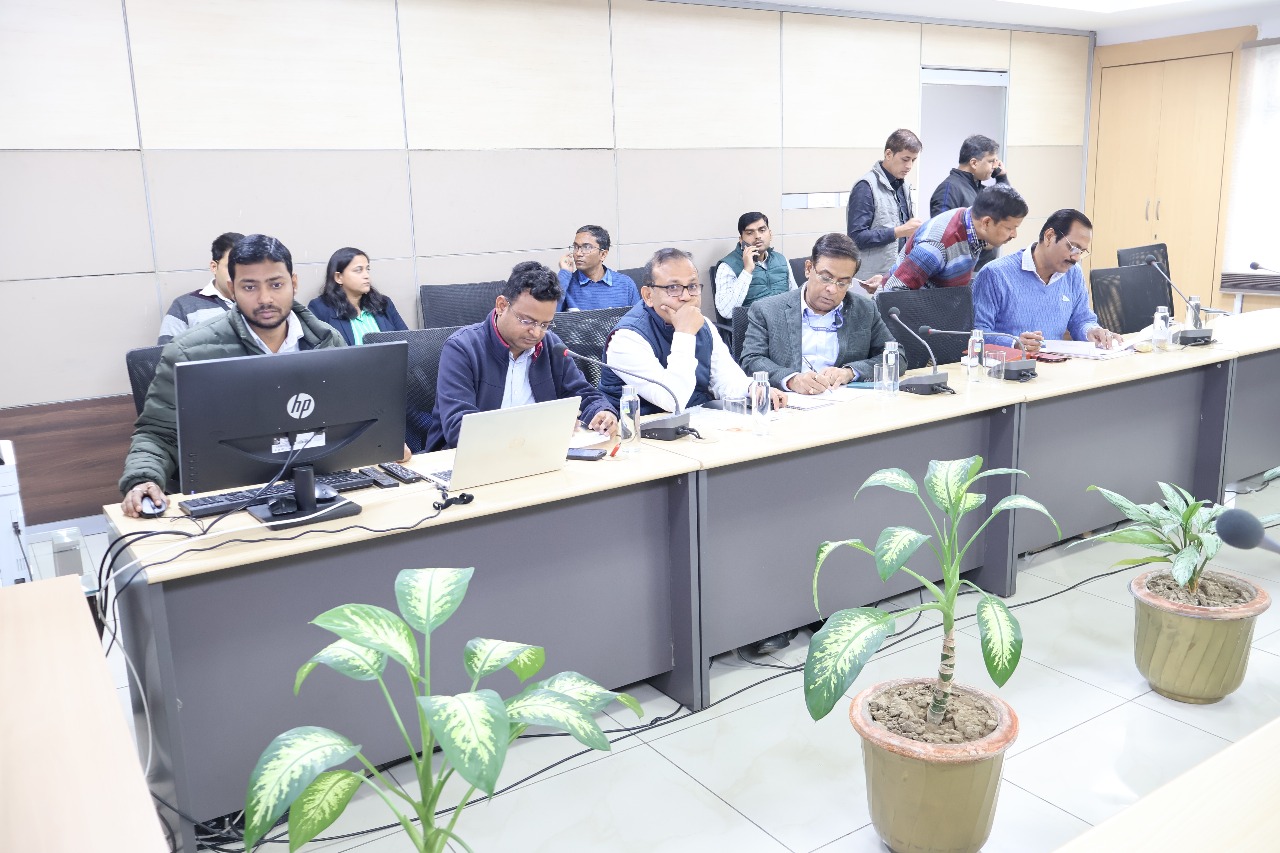
Representatives of all executing agencies briefed officials on the status of their respective projects. Discussions centred on coordination between departments, quality monitoring, clearance of administrative hurdles, and progress on schemes supported by both state and central governments.
Issuing a stern warning, Singh said that any agency failing to meet deadlines or quality standards would face penalties, including possible blacklisting. Officers responsible for lapses would also be held accountable.
The power utility heads reiterated that streamlined coordination between BSPTCL and implementing agencies is essential for expanding Bihar’s transmission capacity and meeting rising electricity demand. Officials said the ongoing projects would help modernise the state’s grid infrastructure and improve the long-term reliability of supply.